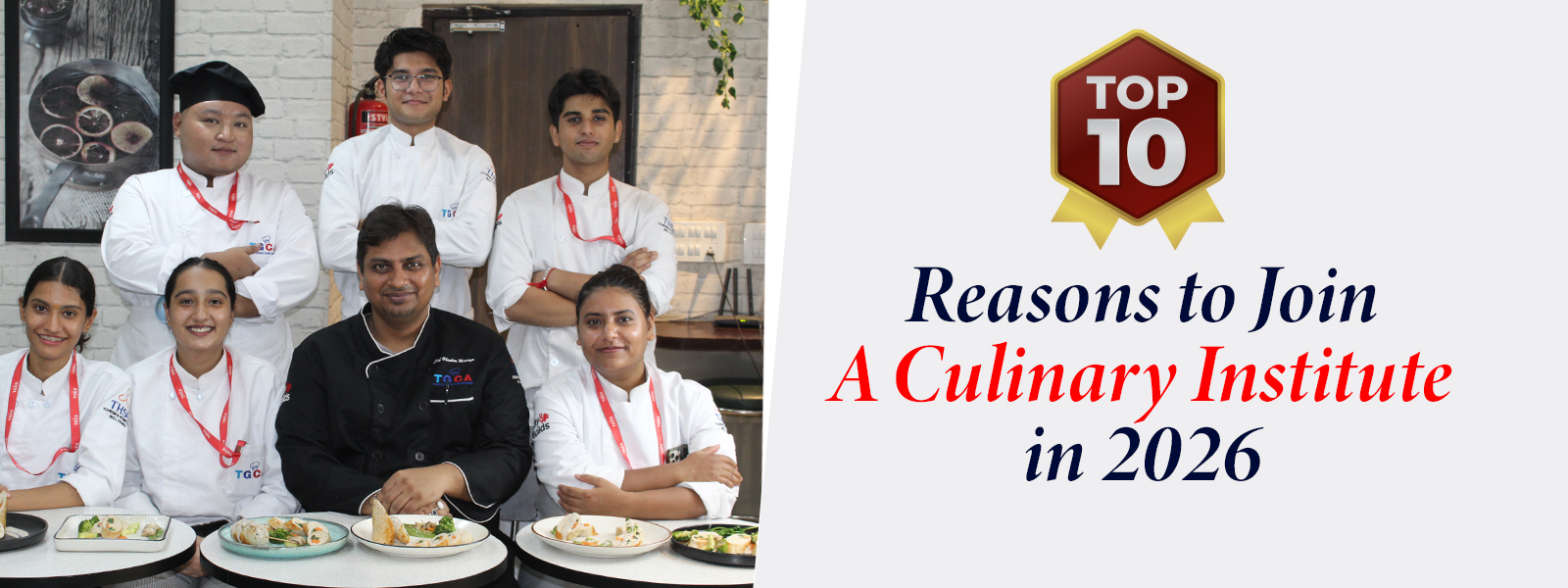
The culinary world is shifting beneath our feet. If you step into a professional kitchen in 2026, you won’t just see flames and pans; you’ll see precision data, sustainability protocols, and a fusion of art and science that was unimaginable a decade ago. The era of the "accidental chef" is fading. Today, the industry demands a breed of professionals who are as comfortable with sous vide precision as they are with the chaotic rhythm of a dinner rush and enrolling themselves in one of the best culinary schools in India could bring them one step closer to that level.
For anyone standing on the precipice of this career, wondering if formal education is worth the investment, the answer is a resounding yes. But it’s not just about learning to chop onions without crying. It’s about entering a brotherhood and sisterhood of discipline, creativity, and relentless pursuit of perfection. Whether you aim to command a brigade in a five-star hotel or launch the next viral cloud kitchen, a reputable culinary institute is your launchpad.
Here is why enrolling in a culinary arts course in 2026 isn't just a choice, it’s the smartest career move you can make.
Gone are the days when cooking was just "heat and serve." Modern culinary education is a deep dive into "kitchen preparedness." In 2026, schools like Tedco Global Chefs Academy aren't just teaching recipes; they are teaching systems. You spend your days in simulation kitchens that replicate the high-octane pressure of real service. You learn the science of why a soufflé rises and the chemistry behind fermentation. This isn't just cooking; it's engineering edible art. When you graduate, you don't just know how to cook; you understand the why behind every reaction on the plate.
There is a distinct difference between a teacher and a mentor. In top-tier institutes, you are learning from veterans, chefs who have survived the gruelling shifts of Michelin-starred restaurants and managed banquet operations for thousands. Institutions like the Culinary Academy of India pride themselves on faculty who bring decades of battle scars and wisdom to the table. These mentors teach you the unwritten rules of the kitchen: the hierarchy, the respect for ingredients, and the mental toughness required to lead. They don't just teach you to cook; they teach you to be a chef.
The Indian palate has travelled the world, and so must you. A self-taught cook often masters one cuisine, but a culinary student masters the world. You will move from the delicate precision of French pastry to the bold, fire-kissed flavours of Pan-Asian woks, and back to the complex spice profiles of modern Indian gastronomy. This versatility is non-negotiable for the best culinary schools in India. They ensure that, whether you are in London, Dubai, or Mumbai, you have the technical vocabulary to run any station in the kitchen.
Join Tedco’s Cake Making Course in Delhi to learn baking from scratch.
The food industry is one of the few global sectors where your skills are your visa. A well-executed Béchamel is the same in Paris as it is in New York. In 2026, the demand for trained Indian chefs globally is at an all-time high. International hotel chains, luxury cruise liners, and private aviation catering firms specifically look for graduates from recognised programs because they come with a guarantee of discipline. Completing a rigorous Culinary Arts Course signals to employers worldwide that you have the stamina and the skill set to handle their standards.
Many of you aren't just looking for a job; you’re looking to build an empire. You dream of that artisanal bakery, that niche café, or a delivery-only brand that takes over the city. Culinary institutes across the globe have adapted to this, integrating business modules that cover menu engineering, food costing, and inventory control.
But in 2026, a great product isn't enough; you need to be seen. This is where digital savvy comes in. Successful food entrepreneurs often partner with agencies like Tedco Global Chefs Academy to manage their digital footprint. Understanding the synergy between great food and great marketing is essential. Knowing when to focus on the pass and when to bring in experts can be the defining factor between a local favourite and a national franchise.
You cannot train for Formula 1 in a sedan. Similarly, you cannot prepare for a modern commercial kitchen using home appliances. Culinary institutes give you access to the tools of the trade: combi-ovens that control humidity to the percentage, blast chillers, vacuum sealers, and molecular gastronomy kits. Familiarity with this machinery is critical. The best culinary schools in India invest heavily in infrastructure so that when you walk into your first job, you aren't intimidated by the equipment; you’re ready to master it.
Theory is safe; the line is where you are tested. Leading institutes have robust connections that land you internships in kitchens you couldn't access otherwise. These internships are effectively months-long auditions. You learn to handle the heat, the shouting, the speed, and the absolute necessity of teamwork. The Culinary Academy of India, for instance, is known for placing students in environments that forge them into professionals. These stints often convert directly into job offers, bridging the terrifying gap between student and employee.
The bakery and confectionery sector is exploding. We aren't just talking about bread; we're talking about artisanal sourdoughs, hyper-realistic cakes, and gluten-free patisserie. Many students discover that their passion isn't on the hot line, but in the cool, precise world of pastry. For those in the capital, specialised bakery courses in Delhi offer a focused pathway into this lucrative niche. These courses drill down into the chemistry of tempering chocolate and the physics of sugar work. Taking bakery courses in Delhi positions you perfectly to tap into the city's thriving high-end café and wedding market.
If you’re interested, simply fill out the enquiry form and our team will contact you with complete details.
In this industry, who you know matters as much as what you can cook. Culinary school plugs you into a network of alumni, visiting chefs, and industry titans. You will attend workshops, guest lectures, and competitions that put you in the same room as your idols. Being an alumnus of one of the best culinary schools in India means you have a support system for life, a "chef family" that you can call on for advice, staffing, or opportunities anywhere in the world.
At Tedco Global Chefs Academy, this is a career of passion. It is one of the few professions where you get instant gratification: the empty plate coming back to the kitchen, the smile on a guest's face. In 2026, diners are seeking experiences, stories, and emotions on a plate. Your creativity is your currency. Whether you are reinventing a classic you learned in your bakery courses in Delhi or designing a fusion tasting menu, the deep satisfaction of creating something beautiful is what keeps you going through the long shifts.
The industry is professionalising rapidly. With trends like sustainable dining and "smart kitchens" taking over, the gap between untrained cooks and professional chefs is widening. Structured training ensures you are on the right side of that gap, offering better job security and higher starting salaries.
It’s a holistic education. Beyond cooking techniques for global cuisines, you cover food safety, nutrition, menu planning, cost control, and kitchen management. It transforms you from a cook into a kitchen manager.
Absolutely. Baking is chemistry; it requires a different discipline than hot cooking. Enrolling in specific bakery courses in Delhi (or similar major hubs) gives you the technical precision needed for commercial success, from sourdough science to chocolate artistry.
Yes. Cloud kitchens run on tight margins and high efficiency. Culinary training teaches you volume cooking, standardisation, and waste control, the three pillars of a profitable cloud kitchen.
The list is endless: Food styling, food journalism, research and development for FMCG brands, private cheffing for ultra-high-net-worth individuals, and culinary entrepreneurship are all viable paths.
It varies. Diploma courses can be 6-12 months, while degree programs run for 3-4 years. The duration depends on whether you want a quick entry into the workforce or a deep, academic understanding of the culinary arts.
Yes. The industry knows which schools produce disciplined, ready-to-work chefs. Graduating from a reputed institute opens doors that might otherwise remain closed, giving you a head start in the competitive food world.
In today's creator economy, a chef is also a brand. Whether you are promoting a pop-up dinner or a new menu, visibility is key. Agencies specialise in helping food businesses grow their online presence, which is often as critical as the food itself.
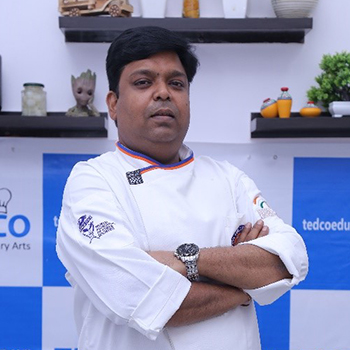
Centre Head & Head of Department
 Whatsapp
Click one of our representatives below to chat on WhatsApp or send us an email to
info@tedcoeducation.com

Counselor
Bakery and Pastry Courses
Counselor
Culinary Arts Courses
Click one of our representatives below to chat on WhatsApp or send us an email to
info@tedcoeducation.com
Counselor
Bakery and Pastry Courses
Counselor
Culinary Arts Courses

