You may have seen shows with chefs yelling and hugging the delicious dishes garnished with just-picked herbs and presenting food in front of people as they serve. Looks really cool though, right? Well, keep in mind that wearing a tall white chef hat means something more than just glamorising the culinary world.
To many people, being a Chef is nothing more than cooking and serving the best steak at your restaurant! But, really, it also describes you as a leader of this great piece of machinery called a "pirate ship" where you get to have so much fun working together as a crew! Most people think that it is going to be exactly like working on a television show, but then you have this overwhelming desire to work in this industry until the very first customer walks into your restaurant!
When you finally reach the top, the job shifts. Yes, your palate is king, but your ability to manage chaos is what keeps the doors open. The executive chef's roles and responsibilities are a mix of artist and accountant.
It’s not only about tasting sauces, but it’s about creating a menu that will yield the highest profit margin possible; it’s about negotiating with difficult supply companies; managing a group of diverse personality types; and making sure your team follows proper safety standards. You are Coach, Administrator and Entrepreneur; you are ultimately responsible for everything that occurs in your restaurant. If the soup is served cold, you take the blame. If the dishwasher fails to work, you deal with it.
The most underrated tool in an executive chef's kit isn't a high-end Japanese knife; it is emotional intelligence. As you transition from line cook to leader, your primary ingredient becomes your team. You are tasked with managing diverse backgrounds, skill levels, and temperaments in a high-stress, high-heat environment.
Effective communication is vital to prevent service meltdowns and ensure consistency on the plate. You must learn to de-escalate conflicts, motivate exhausted staff during double shifts, and foster a culture of respect rather than fear. A kitchen with high morale produces better food than a kitchen ruled by tyranny, and your ability to nurture talent is what ultimately defines your legacy.
You don’t wake up one day and run a kitchen. The career path of an executive chef is a ladder, and you have to climb every rung.
Typically, the progression through the kitchen begins with the role of Commis, which includes working in the kitchen and cutting vegetables (e.g., chips), among other tasks. As you advance through these levels of culinary expertise, your responsibilities will also expand, culminating as the Executive Chef.
So, how to become an executive chef who commands respect? You put in the time. But you also need to build the right foundation early. You can’t build a skyscraper on quicksand.
Let’s talk numbers, because passion doesn’t pay the rent. The financial outlook is promising, especially as the hospitality industry in India booms. While entry-level pay is modest, the executive chef's salary in India has seen a significant jump in recent years.
The demand from five-star hotels and expensive restaurants is higher than ever for leaders who provide consistent results and quality. With packages and bonuses tied to the profits they generate for their companies, as well as long-term career opportunities not found in most professions, this represents a potential windfall for those who become highly successful in the industry.
Reaching the executive level requires more than just mastering traditional recipes; it demands a keen eye for the future of food. Today's diners are more educated and demanding than ever, actively seeking sustainability, farm-to-table sourcing, and unique global fusion flavours. An aspiring executive chef must stay ahead of the curve, integrating modern technology with classic methods to reduce food waste and enhance kitchen efficiency. Understanding significant dietary shifts, such as the rise of plant-based cuisine or allergen-free requirements, is no longer optional. To lead a successful kitchen, you must constantly innovate, ensuring your menu remains relevant, exciting, and profitable in a rapidly changing gastronomic landscape.
At this point in your journey, you now face the Dilemma. Will you attempt to gain all of your culinary skills through a trial-and-error approach, or will you leverage the benefits of an organised environment for rapid development? The culinary industry has changed and is now required to have as much theoretical knowledge as practical application with knife skills, hence why it has always been evolving.
Looking into professional chef courses is the smartest first move. A hands-on culinary arts course doesn't just teach you recipes; it teaches you the why behind the cooking. It teaches you kitchen management, food safety, and the discipline required to survive a Friday night rush.
Earning a culinary diploma is your passport. It tells potential employers that you are serious, trained, and ready to handle the heat.
Navigating an executive chef career is tough, but you don’t have to do it alone. At Tedco Education, we believe in training that mimics the real world. We don't just lecture; we put you in the kitchen. Our mentors have been in the weeds, they’ve run the brigades, and they know exactly what the industry demands right now.
We connect the bridge from being a novice cook to becoming a professional chef, whether you're searching for a quick fix to improve your culinary abilities with short-term chef courses or require a full curriculum to guide you through launching your career in the culinary arts. Your culinary diploma with us is more than just paper; it’s your passport to working in the finest kitchens throughout Canada.
Are you ready to stop dreaming and start cooking? Launching your executive chef career starts with that first step. Let's take it together.
While you don't legally need a degree to cook, most high-end establishments prefer candidates with formal training. A culinary diploma or a degree from a reputable institute gives you a massive advantage. It demonstrates you have mastered the fundamentals of hygiene, nutrition, and management, allowing you to rise through the ranks much faster than someone starting with zero experience.
This isn't a sprint; it's a marathon. On average, it takes 10 to 15 years of experience to reach the Executive Chef level. However, taking structured chef courses can accelerate your learning curve, helping you skip some of the initial trial-and-error phases and move up the ladder more efficiently.
The pay varies wildly depending on the city and the establishment. However, the executive chef's salary in India is quite competitive. Experienced chefs in luxury 5-star hotels or top-tier restaurant groups can earn hefty packages, often ranging from ₹10 Lakhs to over ₹30 Lakhs per annum, plus performance bonuses.
Beyond cooking, you need soft skills. Leadership is number one. Can you motivate a tired team? You also need financial acumen (food costing is critical), time management, creativity for menu planning, and the ability to work under extreme pressure without cracking.
Absolutely. We don't just teach you; we help you launch your career. Our culinary arts course students have access to our industry network. We assist with internships and placements in some of the top kitchens in the country, ensuring your executive chef career gets the kickstart it deserves.
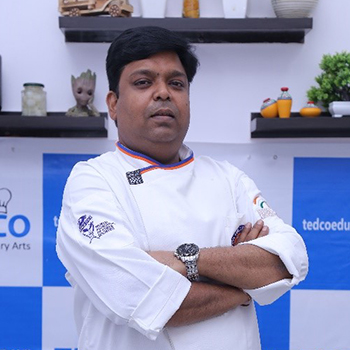
Centre Head & Head of Department
 Whatsapp
Click one of our representatives below to chat on WhatsApp or send us an email to
info@tedcoeducation.com

Counselor
Bakery and Pastry Courses
Counselor
Culinary Arts Courses
Click one of our representatives below to chat on WhatsApp or send us an email to
info@tedcoeducation.com
Counselor
Bakery and Pastry Courses
Counselor
Culinary Arts Courses

