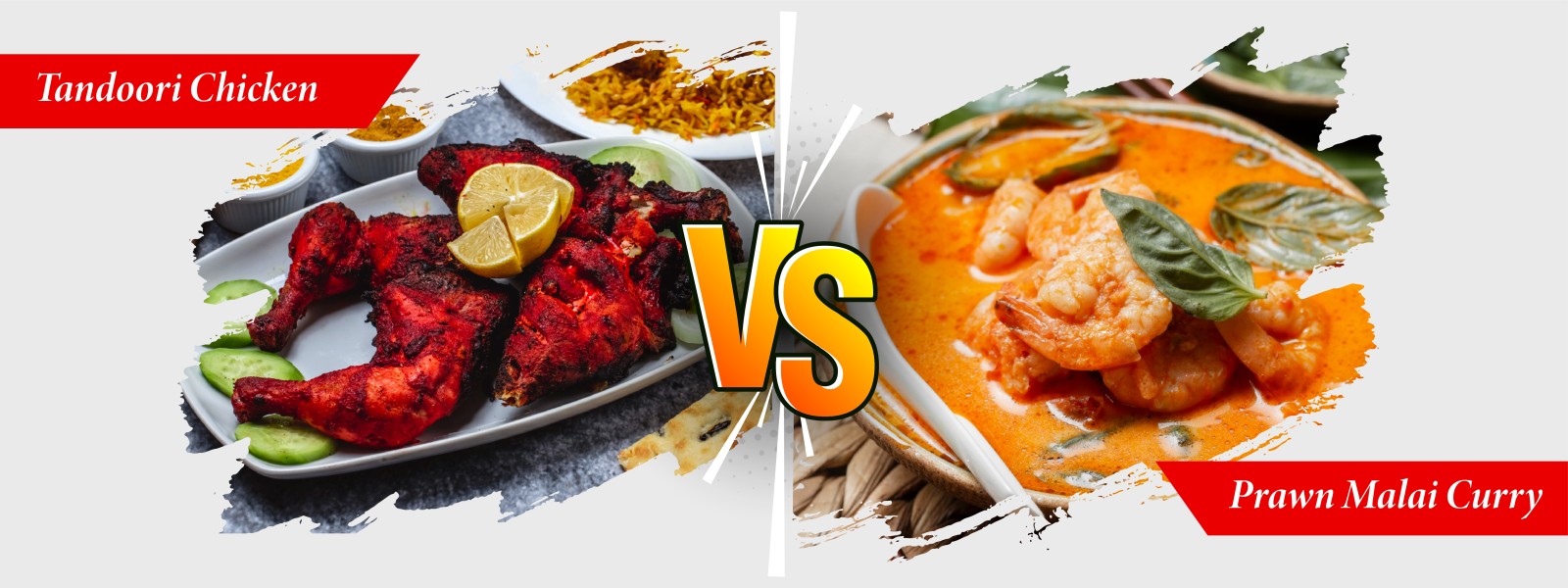
Indian cuisine offers a vast landscape of flavours, textures, and regional identities, but few dishes stand out as universally loved as Tandoori Chicken and Prawn Malai Curry. One represents the fiery charm of North Indian tandoor cooking, while the other reflects the creamy elegance of East Indian coastal cuisine.
For culinary learners exploring techniques through Pastry and Baking Classes or all-round culinary programs, these two dishes are perfect examples of how cooking methods influence flavour.
Tandoori Chicken traces its origins to the North Indian region of Punjab. The dish became iconic when Kundan Lal Gujral popularised it at the legendary Moti Mahal restaurant in Delhi.
The technique involves marinating chicken in curd, spices, and mustard oil, then cooking it inside a clay tandoor at intensely high temperatures. This method creates smoky, charred flavours with a juicy interior, making it one of the most famous Indian chicken dishes globally.
Prawn Malai Curry, commonly known in Bengal as Chingri Malai Curry, originates from East India, particularly the coastal regions of West Bengal and Bangladesh. The name “malai” refers to the creamy coconut milk used to build its luxurious gravy.
Unlike tandoori cooking, this dish highlights the delicacy of prawns through slow simmering in a fragrant blend of spices, yogurt, onions, and coconut milk. It reflects the richness of coastal cooking and the region’s love for seafood.
Tandoori Chicken uses a two-step marination process. The first marinade typically includes ginger garlic paste, lemon juice, and mustard oil. The second marinade includes curd, red chilli powder, turmeric, coriander powder, cumin, garam masala, nutmeg, pepper, and kasuri methi. The chicken is scored to allow deeper penetration of spices, then marinated for hours before being roasted in a tandoor or oven. This layering of marinades gives the dish depth and long-lasting flavour.
Prawn Malai Curry highlights the natural sweetness of prawns through a mild yet flavour-packed mixture. The preparation involves tiger prawns, yogurt, coconut milk, ginger paste, cinnamon, cardamom, dried chillies, bay leaf, sugar, garam masala, turmeric, red chilli powder, ghee, and onions.
The prawns are first seared lightly, then added to a smooth, creamy coconut gravy that balances spice and sweetness. The result is a coastal curry with a silky finish.
Tandoori Chicken depends heavily on high-heat cooking. Once marinated, the chicken is roasted in a tandoor, where temperatures exceed 400°C. The intense heat creates a charred exterior while keeping the meat juicy.
The same effect can be achieved in home ovens by roasting at high heat and basting with butter or oil. This method infuses smoky notes that define the tandoori taste.
Prawn Malai Curry requires careful temperature control because prawns overcook quickly. The dish begins by blooming spices in ghee, sautéing onions, and adding ground spices.
Yogurt is mixed in to add body, followed by coconut milk, which forms the creamy base. Prawns are added last and cooked briefly to maintain tenderness. The cooking style is gentle, prioritizing flavour infusion over heavy browning.
Tandoori Chicken is bold, smoky, spicy, and savoury. The flavour comes from the mix of red chilli, garam masala, ginger garlic, mustard oil, and the char of the tandoor. The texture is firm yet juicy, with a slightly crisp exterior.
Its vibrant red colour and grill marks make it visually appealing and instantly recognizable. It pairs perfectly with mint chutney, lemon wedges, and fresh salads.
Prawn Malai Curry offers the opposite experience. It is creamy, mellow, sweet, and mildly spiced. The coconut milk lends richness, while the prawns contribute natural sweetness. Cinnamon and cardamom add warmth, and dried chillies contribute subtle heat without overpowering. The sauce is silky, making the dish comforting and elegant. It pairs beautifully with steamed rice, coconut rice, or light pulao.
The taste difference between the two dishes is striking. Tandoori Chicken gives a smoky, grilled flavour with spice-forward notes and a slight tang from the curd marinade. Prawn Malai Curry provides a creamy, coastal flavour profile with delicate spice, sweetness, and richness. While Tandoori Chicken is energetic and vibrant, Prawn Malai Curry is smooth and luxurious. Choosing between them depends on whether diners want fiery depth or creamy comfort.
Tandoori Chicken is generally lower in calories because it uses minimal oil and relies on roasting. It is rich in protein and lower in fat compared to many curry-based dishes. Prawn Malai Curry, however, has more calories due to ghee, coconut milk, and yogurt. It remains nutritious, offering minerals from prawns and good fats from coconut milk, but has a higher caloric density. For health-conscious diners, tandoori preparations have an advantage because they use less fat.
Tandoori Chicken and Chicken Tikka share similar spices, but the key difference is the cut and cooking style. Tandoori Chicken uses bone-in pieces cooked whole, while Chicken Tikka uses boneless chunks. Chicken Tikka tends to be slightly drier but cooks faster. Calorie-wise, both are lighter than fried dishes, but tandoori versions tend to be the leanest.
Tandoori Chicken appeals to large groups because it is highly flavourful, less messy than curries, easy to serve, and universally accepted across regions. The smoky aroma, vibrant colour, and soft texture make it ideal for gatherings. It pairs well with drinks, appetisers, and mains. Its protein-rich profile also makes it a preferred option for fitness-conscious guests.
Prawn Malai Curry is especially loved by seafood enthusiasts. Its creamy, mellow taste makes it a comfort dish suited for family dinners or festive menus. The flavours are sophisticated and unique, and the delicate prawns make it feel luxurious. It also suits guests who prefer mild curries with richness rather than spice-heavy preparations.
If hosting a crowd with mixed preferences, Tandoori Chicken usually wins because it appeals to both spice lovers and mild eaters. It is easier to prep in bulk and doesn’t require reheating like a curry. For smaller gatherings or seafood-focused menus, Prawn Malai Curry feels special and elevates the dining experience. The choice depends on audience preferences and theme of the meal.
Tandoori Chicken shines with smoky, spicy intensity, while Prawn Malai Curry excels in creamy, aromatic smoothness. The “better” flavor depends on preference: bold and grilled versus silky and coastal. Both deliver exceptional flavour journeys that cater to completely different moods.
Tandoori Chicken and Prawn Malai Curry stand as two icons of Indian cuisine, each carrying its own flavour philosophy. For students pursuing culinary careers or enrolling in a Professional Baking Course, understanding such contrasts helps them appreciate how technique, heat, spice selection, and regional influence shape the character of a dish.
Institutions like Tedco Education help learners master these classic preparations by teaching both high-heat roasting methods and delicate simmering techniques.
Tandoori Chicken is more widely popular because it suits diverse taste preferences, travels well, and appeals across regions, while Prawn Malai Curry is especially loved in coastal communities valuing mild, creamy seafood curries.
Yes, generally. Tandoori Chicken uses minimal oil, is roasted instead of simmered, and contains lean protein, while Prawn Malai Curry includes ghee, coconut milk, and richer ingredients, increasing overall calorie density.
Prawn Malai Curry pairs beautifully with steamed rice, coconut rice, or fragrant pulao because its creamy texture complements rice grains, whereas Tandoori Chicken pairs better with breads or appetiser-style serving formats.
Yes. Prawns cook much faster, requiring only a few minutes, while chicken needs longer marination and roasting time. Overcooking prawns makes them rubbery, so careful timing preserves tenderness and flavour.
Tandoori Chicken is easier for beginners because marination and roasting are straightforward. Prawn Malai Curry needs careful temperature control, precise timing, and gentle simmering to maintain the prawns’ delicate texture and prevent overcooking.
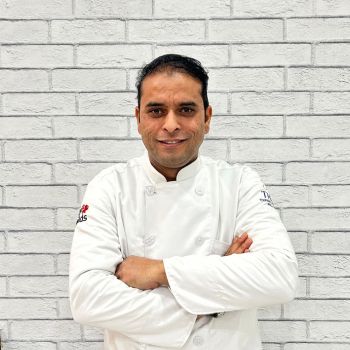
Pastry Instructor
 Whatsapp
Click one of our representatives below to chat on WhatsApp or send us an email to
info@tedcoeducation.com

Counselor
Bakery and Pastry Courses
Counselor
Culinary Arts Courses
Click one of our representatives below to chat on WhatsApp or send us an email to
info@tedcoeducation.com
Counselor
Bakery and Pastry Courses
Counselor
Culinary Arts Courses

