

Becoming a skilled chef can open the door to a rewarding culinary career, but leading a restaurant requires a different set of abilities. A chef may know how to create a menu, manage a kitchen brigade, and maintain food quality, yet running a successful restaurant also involves budgets, staffing, purchasing, customer experience, and day-to-day operations.
This is where restaurant management courses can complement culinary education.
For students who have completed chef courses, a culinary diploma, or a professional chef course, understanding the business side of food service can provide a broader perspective on how restaurants operate.
However, students should also understand that restaurant management is a distinct area of hospitality education. If your primary goal is to become a chef, strong culinary training should remain the foundation. Management knowledge becomes particularly valuable when you want to progress into leadership or eventually operate your own food business.
Restaurant management programmes focus on the operational and business aspects of running a food-service establishment.
While culinary education concentrates heavily on food preparation, cooking techniques and kitchen skills, management education looks at what happens around the kitchen.
Students may learn about:
Culinary training gives professionals an understanding of food.
Management training can help them understand the business surrounding that food.
A chef who eventually becomes a restaurant leader may need to understand why a particular dish is profitable, how much food is being wasted, how staff schedules affect operations, and whether the menu is realistic for the available kitchen capacity.
These are not purely culinary questions.
They are operational questions.
Combining culinary knowledge with management skills can therefore help professionals make better decisions as their responsibilities increase.
Career progression in hospitality is rarely limited to becoming a better cook.
A professional may begin by preparing food and gradually take responsibility for a station, supervise junior team members, manage kitchen operations, and eventually become involved in broader restaurant decisions.
At each stage, the nature of the work changes.
A chef may initially ask:
"How do I prepare this dish correctly?"
A kitchen leader may ask:
"How do I make sure the entire team prepares this dish consistently?"
A restaurant leader may ask:
"Is this dish operationally efficient, financially viable, and appreciated by our customers?"
Management education helps professionals prepare for that broader perspective.
Restaurants involve hundreds of small operational decisions every day.
Management training can introduce students to areas such as:
Food and beverage operations involve both culinary and service considerations.
Students may learn how kitchen teams coordinate with front-of-house staff and how food production connects with service.
For example, a dish can be perfectly prepared in the kitchen but still create a poor guest experience if it reaches the table late or is communicated incorrectly.
Food and beverage management encourages students to see the restaurant as one connected operation rather than separate departments.
A menu is more than a list of dishes.
Every item needs to be considered from multiple perspectives.
A chef and restaurant manager may need to think about:
A restaurant can be busy and still struggle financially.
Food costing helps managers understand where money is going.
Students can learn how to calculate recipe costs, consider portion sizes, monitor ingredient prices, and identify unnecessary waste.
For example, if a dish sells for a certain price but requires expensive ingredients and excessive preparation time, its profitability may be lower than expected.
Understanding these numbers helps restaurant leaders make informed decisions.
Budget management can also include labour expenses, operational costs, and other business considerations.
A restaurant needs enough ingredients to operate smoothly, but purchasing too much can create waste.
Managers therefore need systems for:
Restaurants are people-driven businesses.
Even the best systems will not work effectively without a coordinated team.
Management training can introduce students to:
Restaurant success is not determined by food alone.
Guests experience the entire establishment.
They notice:
A restaurant manager needs to understand these touchpoints because a single poor interaction can affect a customer's perception of the entire business.
Restaurant management also carries responsibility for maintaining food safety and quality standards.
Managers need to ensure that established procedures are followed across the operation.
This can include:
Even an excellent restaurant needs customers.
Marketing and branding help a business communicate what makes it different.
Students may be introduced to areas such as:
Technology has become an important part of restaurant operations.
Restaurants may use:
Management training can support several hospitality career paths, depending on a person's education and professional experience.
Potential roles may include:
For aspiring entrepreneurs, management knowledge can be particularly valuable.
Opening a restaurant involves considerably more than creating good food.
An owner may need to think about:
Restaurant management training can be useful for:
Before enrolling, students should look beyond the course title.
Consider:
Management should not replace culinary knowledge for someone pursuing a chef-led career.
A restaurant leader who understands food preparation can communicate more effectively with kitchen teams and appreciate the practical challenges involved in production.
Understanding the kitchen can influence decisions about staffing, menu design, equipment, purchasing, and service.
This is one reason culinary education can provide a strong foundation for professionals who later move into management.
The culinary industry offers multiple career directions.
Some professionals want to remain focused on food preparation and develop their expertise as chefs. Others eventually become kitchen leaders, restaurant managers, or entrepreneurs.
Neither path is automatically better.
The important thing is to choose education that matches the direction you want your career to take.
If your goal is culinary excellence, prioritise practical culinary training. If you eventually want to lead an operation or build a food business, developing management knowledge can complement that culinary foundation.
Culinary expertise teaches professionals how to create food, but restaurant leadership requires an understanding of the wider operation. A culinary diploma can provide students with a strong foundation in cooking techniques, kitchen operations, food preparation, and professional culinary practices, while additional restaurant management courses can introduce culinary graduates and hospitality professionals to menu planning, food costing, purchasing, inventory, staffing, customer experience, marketing, and operational decision-making.
For chefs who want to move into leadership, this broader knowledge can help them understand the restaurant from a business perspective rather than viewing it only through the kitchen.
For aspiring entrepreneurs, combining culinary ability with operational understanding can provide a more complete foundation for building a restaurant, café, bakery, cloud kitchen, or other food business.
The key is to choose training according to your career objective. Build strong culinary skills first if you want to become a chef, then consider management education when your ambitions move towards leading people, managing operations, or running a food business.
Chefs who want to move into leadership, restaurant operation,s or entrepreneurship may benefit from management training alongside their culinary experience and professional kitchen knowledge.
They can cover operations, menu planning, costing, inventory, purchasing, staffing, customer service, marketing, technology, food safe,ty and other areas involved in running restaurants.
Yes. Culinary graduates can progress into management roles as they gain professional experience and develop additional skills in leadership, operations, budgeting and customer service.
Yes. Management knowledge can help aspiring food entrepreneurs understand staffing, purchasing, costing, operations, customer experience, marketing and other aspects of running a food business.
No. Culinary training focuses primarily on food preparation and kitchen skills, while restaurant management focuses on business operations, people, service and the wider management of a food establishment.
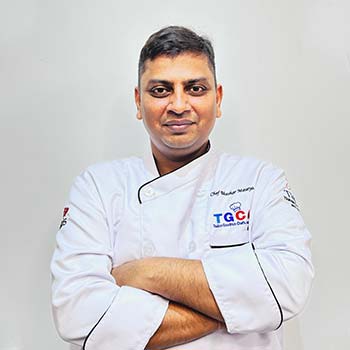
Culinary Instructor
 Whatsapp
Click one of our representatives below to chat on WhatsApp or send us an email to
info@tedcoeducation.com

Counselor
Bakery and Pastry Courses
Counselor
Culinary Arts Courses
Click one of our representatives below to chat on WhatsApp or send us an email to
info@tedcoeducation.com
Counselor
Bakery and Pastry Courses
Counselor
Culinary Arts Courses

