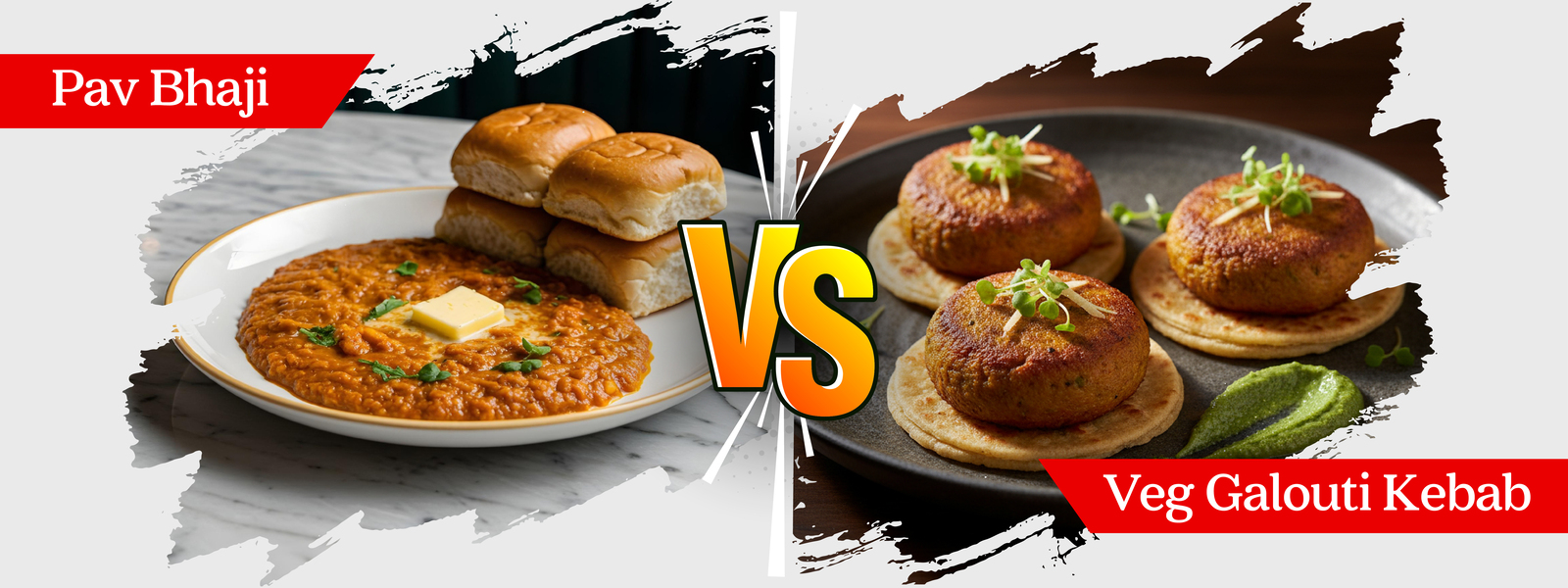
India's street food is known for its incredible variety, rich flavours and regional specialities. Among the many favourites, Pav Bhaji and Veg Galauti Kebab hold a special place for food lovers. Although both are popular vegetarian dishes, they are completely different in terms of ingredients, preparation, texture and serving style.
If you are passionate about Indian cuisine or planning to pursue a culinary arts course, understanding these dishes goes beyond simply tasting them. It helps you appreciate the techniques, regional influences and culinary traditions that make Indian food so unique.
Let's compare Pav Bhaji and Veg Galauti Kebab to understand what makes each dish special.
Pav Bhaji is one of Mumbai's most famous street foods. It consists of a spicy vegetable mash served with butter-toasted pav (bread rolls), chopped onions and lemon wedges.
Originally created for textile mill workers in Mumbai during the nineteenth century, Pav Bhaji quickly became a favourite because it was affordable, filling and quick to prepare.
Today, it is enjoyed across India in restaurants, food courts and roadside stalls.
The vegetables are cooked together, mashed on a large iron tawa, and finished with generous amounts of butter and spices to create its signature flavour.
Veg Galauti Kebab is inspired by the famous Galauti Kebab from Lucknow. Traditionally made using meat, the vegetarian version recreates the same soft, melt-in-the-mouth texture using vegetables, lentils or raw banana.
Unlike Pav Bhaji, Veg Galauti Kebab focuses on delicate flavours and aromatic spices.
It is commonly served with mint chutney and Ulte Tawa Ka Paratha or roomali roti.
Preparing Veg Galauti Kebab requires patience and precision to achieve its signature soft texture.
| Feature | Pav Bhaji | Veg Galauti Kebab |
|---|---|---|
| Origin | Mumbai | Lucknow |
| Texture | Thick and creamy | Soft and melt-in-the-mouth |
| Cooking Style | High heat | Gentle shallow frying |
| Main Ingredients | Mixed vegetables | Raw banana, rajma or yam |
| Spice Profile | Tangy and spicy | Aromatic and mildly spiced |
| Served With | Buttered pav | Paratha or roomali roti |
| Best Occasion | Casual meals | Fine dining and appetisers |
Although both dishes are vegetarian, their ingredients are very different.
Pav Bhaji uses everyday vegetables cooked together into a rich mash. The emphasis is on balancing butter, tomatoes and spices to create a bold flavour.
Veg Galauti Kebab relies on carefully selected ingredients that provide a smooth texture. The spice blend is more complex and includes aromatic ingredients such as mace, cardamom and saffron.
The preparation process is equally important because the mixture must remain soft while holding its shape during cooking.
Pav Bhaji delivers bold, spicy and buttery flavours.
Each bite combines the sweetness of vegetables, tanginess of tomatoes, richness of butter and warmth of traditional Pav Bhaji masala.
Veg Galauti Kebab offers a completely different experience.
Its flavour is subtle, layered and aromatic. Instead of overpowering spices, it focuses on gentle seasoning that allows individual ingredients to shine.
Food lovers who enjoy rich comfort food usually prefer Pav Bhaji, while those looking for refined flavours often choose Veg Galauti Kebab.
Texture plays a major role in distinguishing these dishes.
Pav Bhaji is intentionally mashed into a thick consistency that pairs perfectly with soft buttered bread.
Veg Galauti Kebab should remain delicate enough to almost melt in the mouth while still holding its shape during cooking.
Achieving this texture requires proper ingredient selection and careful cooking techniques.
Professional chefs use different methods to prepare these dishes.
Both recipes require attention to detail, but Veg Galauti Kebab demands greater precision because of its delicate consistency.
Pav Bhaji contains a variety of vegetables, making it rich in vitamins and fibre. However, traditional recipes also include generous amounts of butter, increasing the calorie content.
Veg Galauti Kebab can be comparatively lighter when prepared with lentils and vegetables. The nutritional value depends on the ingredients used and the amount of oil during cooking.
Health-conscious diners can prepare healthier versions of both dishes by reducing butter and using healthier cooking oils.
For beginners, Pav Bhaji is generally easier.
Its cooking process is forgiving, and small variations rarely affect the final result.
Veg Galauti Kebab requires better knife skills, ingredient knowledge, and cooking control. The texture can easily change if the mixture contains too much moisture or insufficient binding.
This makes it a more advanced recipe suitable for learners who already understand basic cooking techniques.
The answer depends on the occasion.
Choose Pav Bhaji if you want:
Choose Veg Galauti Kebab if you prefer:
Both dishes represent different regions of India and showcase the country's incredible culinary diversity.
Mastering Indian cuisine requires more than following recipes. Understanding ingredients, regional cooking methods, and professional kitchen techniques helps aspiring chefs recreate authentic flavours consistently.
At TGCA, students receive hands-on training under experienced chefs while learning traditional and contemporary Indian recipes. Whether your goal is to work in a luxury hotel, launch your own café or specialise in regional cuisine, practical learning builds the confidence needed to succeed.
Recognised as one of the best culinary schools in India, the academy offers industry-focused programmes that prepare students for rewarding careers in hospitality, food production and professional kitchens.
Pav Bhaji and Veg Galauti Kebab are both iconic vegetarian dishes, but they celebrate completely different culinary traditions.
Pav Bhaji represents the lively street food culture of Mumbai with its bold flavours and hearty appeal. Veg Galauti Kebab reflects the refined cooking techniques of Lucknow through its delicate texture and aromatic spices.
Learning both recipes gives aspiring chefs a deeper understanding of Indian regional cuisine while helping them develop essential culinary skills that can be applied across professional kitchens.
Pav Bhaji is a spicy vegetable mash served with buttered bread, while Veg Galauti Kebab is a soft vegetarian kebab prepared using vegetables, lentils, and aromatic spices.
Both dishes can be healthy depending on preparation. Pav Bhaji offers more vegetables, while Veg Galauti Kebab can be lower in calories if cooked with minimal oil.
Yes. The vegetarian version replaces meat with ingredients such as raw banana, rajma, yam or lentils while maintaining the signature melt-in-the-mouth texture.
Pav Bhaji is easier because it uses simple cooking techniques and common ingredients. Veg Galauti Kebab requires more precision to achieve the correct texture and consistency.
TGCA offers professional culinary programmes where students learn authentic Indian cuisine, bakery techniques and international cooking methods through practical, industry-oriented training.
Bakery & Pastry Instructor
 Whatsapp
Click one of our representatives below to chat on WhatsApp or send us an email to
info@tedcoeducation.com

Counselor
Bakery and Pastry Courses
Counselor
Culinary Arts Courses
Click one of our representatives below to chat on WhatsApp or send us an email to
info@tedcoeducation.com
Counselor
Bakery and Pastry Courses
Counselor
Culinary Arts Courses

