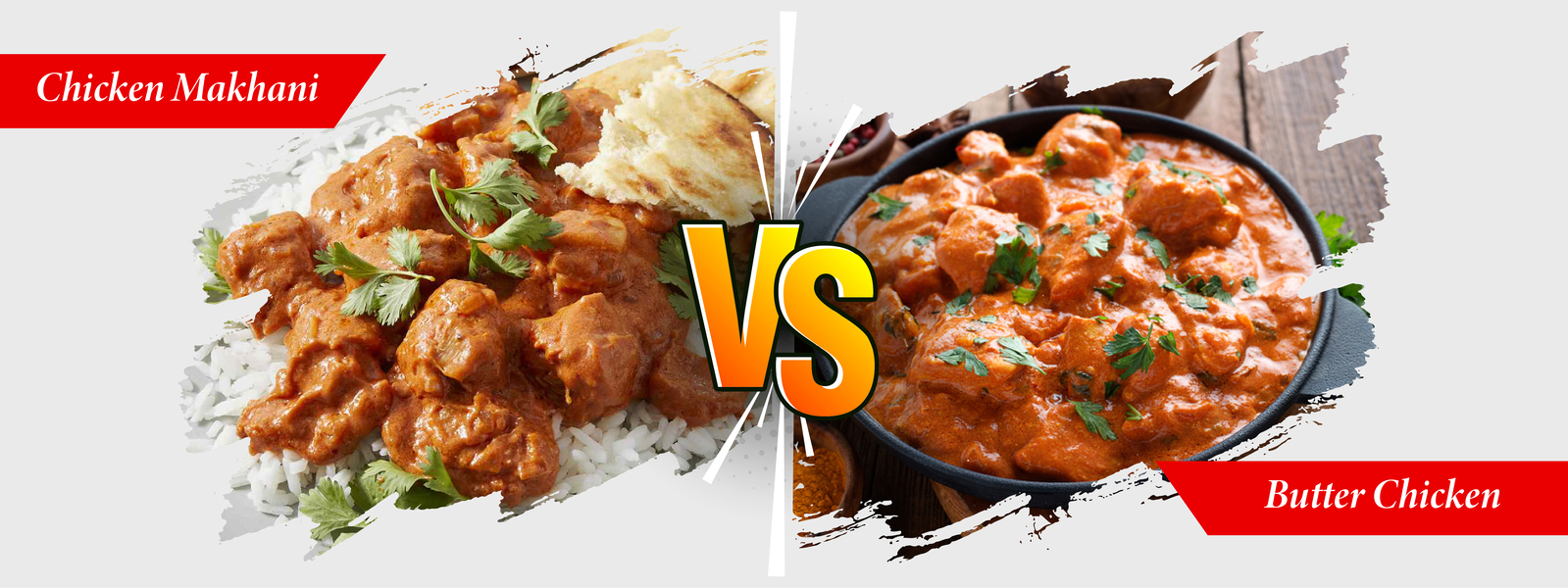
If you have ever stared at an Indian takeout menu and felt a wave of confusion wash over you, you are not alone. You see "Murgh Makhani" listed on one page and "Butter Chicken" on another. They both sound rich, creamy, and delicious. They both look orange. So, what is going on here? Are they twins? Are they rivals? Or are they just two names for the same glorious pot of curry?
At our culinary academy, Tedco Education. This is one of the most frequently asked questions we receive from students who are just starting their journey into spices. Whether you are a home cook trying to impress your family or someone seriously considering enrolling in Cooking Courses in India, understanding the subtle history and nomenclature of food is crucial. In fact, in our Professional Chef Course, we spend quite a bit of time discussing how dishes evolve as they travel across borders, and no dish has travelled quite as famously as this one.
Today, we are going to settle the score. We’ll break down the history, the flavour profiles, and the preparation methods to help you understand the real story behind these iconic dishes.
Let’s rip the bandage off right away and answer the long-standing debate. In the most literal sense, is chicken makhani the same as butter chicken? Yes.
"Murgh" means chicken, and "Makhani" means buttery (derived from Makhan, the Hindi word for butter). So, linguistically, "Chicken Makhani" is simply the Hindi translation of "Butter Chicken."
However, and this is a big however in the culinary world, names carry expectations. Over the decades, the two terms have started to signify slightly different experiences depending on where you are eating. If you are in a purist Old Delhi restaurant, you are eating Chicken Makhani. If you are in a bistro in London or New York, you are likely eating Butter Chicken. The DNA is the same, but the personality has shifted.
To understand the difference between chicken makhani and butter chicken, we have to go back to the source. Both dishes trace their lineage to Moti Mahal in Delhi, founded by Kundan Lal Gujral.
The legend goes that Gujral didn't want his leftover Tandoori Chicken to dry out. To rescue the unsold skewers of roasted meat, he simmered them in a rich gravy made of tomatoes, cream, and copious amounts of butter. The result was Murgh Makhani.
It was accidental genius. The smokiness of the Tandoori chicken bled into the creamy tomato sauce, creating a flavour profile that changed Indian chicken curries forever.
As the dish migrated to the West, the name was anglicised to "Butter Chicken." In the process of travelling, the recipe adapted to Western palates, eventually becoming sweeter, creamier, and less spicy than the original Delhi version.
Interested in joining? Fill this form, and we will reach out with course information.
While they share a soul, the execution can differ. When we run a chicken makhani vs butter chicken comparison in our test kitchens, here is how we distinguish them:
The traditional Chicken Makhani tends to be a bit more complex. It embraces the acidity of the tomatoes and the distinct aroma of Kasuri Methi (dried fenugreek leaves). It is rich, yes, but it usually has a "tang" to it that cuts through the fat.
On the other hand, the global version of Butter Chicken often leans heavily into sweetness. It is designed to be mild and palatable for everyone, from toddlers to those with zero spice tolerance. It often uses honey or sugar to mask the tartness of the tomatoes completely.
When discussing the butter chicken vs chicken makhani taste and texture, we look at the viscosity.
Chicken Makhani often uses a higher ratio of butter (Makhan) to cream. It has a velvety, glossy finish but isn't necessarily "thick" like a paste.
Butter Chicken (especially in Western or fast-food versions) often relies heavily on heavy cream or even cashew paste to create a super-thick, gravy-like consistency that coats the naan heavily.
In a traditional chicken makhani vs butter chicken recipe, the treatment of the meat is key.
Authentic Makhani: Always uses bone-in or boneless chicken that has been roasted in a Tandoor first. The charcoal char is non-negotiable.
Modern Butter Chicken: Often uses raw chicken cubes, boiled or pan-seared directly in the sauce. This loses that essential smoky undertone that defines the original dish.
If you were to look at a technical chicken makhani vs butter chicken breakdown on a chef’s clipboard, the ingredient lists would look 90% identical.
The difference between chicken makhani and butter chicken often comes down to the "secret" ingredients added by restaurants.
Chicken Makhani sticks to the holy trinity of Tomato-Butter-Fenugreek.
Butter Chicken often invites guests like cashew nut paste, melon seeds (magaz), sugar, and sometimes even food colouring to get that neon orange look (which we strictly advise against in our classes!).
Let’s imagine you have two bowls in front of you.
Bowl A (Chicken Makhani): You take a bite. The first thing you hit is the smokiness of the chicken. Then comes the rich, buttery sauce, followed immediately by a sharp tang from the tomatoes and the bitter-sweet aroma of fenugreek. It is savoury, slightly spicy, and deeply comforting.
Bowl B (Butter Chicken): You take a bite. It’s incredibly smooth. The sauce is sweeter, almost like a dessert soup. The spice is very low, more of a warm hum than a kick. It’s creamy, heavy, and very filling.
This distinction in butter chicken vs chicken makhani taste is why some food purists claim they are different dishes, even if history says otherwise.
The confusion stems from marketing. In India, "Butter Chicken" is the English name for "Murgh Makhani." They are used interchangeably.
However, outside of India or in "multi-cuisine" restaurants, chefs started tweaking the recipe to save costs or time. Roasting chicken in a Tandoor is labour-intensive. Simmering tomatoes for hours takes time. It became easier to make a generic creamy tomato sauce, add sugar, and call it Butter Chicken.
So, when people ask for a chicken makhani vs butter chicken comparison, they are effectively comparing "The Traditional Method" vs. "The Modern Adaptation."
Among the vast array of Indian chicken curries, these two (or this one?) stand tall as the global ambassadors of North Indian cuisine. Whether you call it by its Hindi name or its English name, you are participating in a culinary tradition that is over 70 years old.
If you are looking up a chicken makhani vs butter chicken recipe to try at home, here is our advice:
Make Chicken Makhani if: You have a grill or oven to char the chicken first, and you appreciate a savoury, tangy curry that respects the ingredients.
Make Butter Chicken if: You want a quick, one-pot comfort meal that is sweet, creamy, and guaranteed to be a hit with kids or guests who dislike spice.
So, is there a winner in the battle of chicken makhani vs butter chicken? Not really. They are two sides of the same delicious coin. One honours the smoky, rustic roots of Old Delhi, while the other celebrates the creamy, indulgent adaptation that the rest of the world fell in love with.
Understanding these nuances is exactly what elevates a cook to a chef. It’s not just about following a recipe; it’s about understanding the culture, the history, and the technique behind the dish.
If you found this breakdown helpful and find yourself wanting to dive deeper into the world of spices, tandoors, and curries, we would love to help you take that next step.
Generally, no. Chicken Makhani is considered a mild curry. It focuses on the richness of butter and the tang of tomatoes rather than heat. However, it is usually slightly spicier and more savoury than the westernised "Butter Chicken," which can be quite sweet.
Yes, you can. While traditional recipes often use bone-in pieces for better flavour depth, most modern restaurants and home recipes use boneless chicken thighs or breasts for convenience and ease of eating.
Aside from the obvious butter (Makhan), the game-changer is Kasuri Methi (dried fenugreek leaves). This herb gives the dish its signature earthy aroma. Without it, you’re just making a creamy tomato curry, not true Makhani.
In many restaurants, edible orange food colouring is added to give it a vibrant appeal. However, an authentic recipe gets its deep orange-red hue naturally from the use of Kashmiri red chilli powder and ripe tomatoes, not artificial colours.
No! This is a common myth. Chicken Tikka Masala is a British-Indian invention. It uses a spiced tomato-onion gravy that is usually spicier and less creamy than the smooth, tomato-butter gravy of Makhani/Butter Chicken.
Culinary Instructor
 Whatsapp
Click one of our representatives below to chat on WhatsApp or send us an email to
info@tedcoeducation.com

Counselor
Bakery and Pastry Courses
Counselor
Culinary Arts Courses
Click one of our representatives below to chat on WhatsApp or send us an email to
info@tedcoeducation.com
Counselor
Bakery and Pastry Courses
Counselor
Culinary Arts Courses

