The cloud kitchen industry in India is booming. With the explosion of online food delivery platforms, changing dining habits, and a growing appetite for home-cooked flavours, cloud kitchens have become one of the most accessible and profitable business models for food entrepreneurs in 2026. Many aspiring entrepreneurs, including those who started with baking classes in Delhi, are now turning their culinary skills into full-fledged cloud kitchen businesses from the comfort of their homes.
Unlike a traditional restaurant, a cloud kitchen requires no dine-in space, no waitstaff, and no expensive interiors. What it does require is the right planning, a reliable process, and a serious commitment to food quality. Whether you are a passionate home cook or a trained culinary professional, this guide walks you through exactly how to start a cloud kitchen from home, step by step.
A cloud kitchen, also called a ghost kitchen or dark kitchen, is a delivery-only food business. There is no physical storefront for customers to walk into. Orders come in through food delivery apps like Swiggy and Zomato, or through direct channels like WhatsApp and Instagram, and the food is prepared and packed for delivery only.
This model is cost-efficient by design. You put your capital where it matters most: into ingredients, packaging, and quality, not rent or decor.
Before investing a single rupee, understand the market. Study what cuisines are in demand in your area, what price points work on delivery platforms, and what gaps exist that your kitchen could fill. Look at successful cloud kitchen brands in your city and identify what makes them work.
Your menu is the foundation of your business. Focus on dishes that:
This is where structured culinary training pays off. Students who complete a culinary arts course learn the science behind recipe development, portion control, and menu engineering, ensuring that every item is designed to be both delicious and profitable.
A domestic kitchen needs to be reorganised before it can function as a commercial operation. Key requirements include:
Enrolling in short-term chef courses can give you practical insight into how professional kitchens are laid out for efficiency, food safety, and speed during peak hours.
Running a food business from home without the proper documentation is a legal and reputational risk. The key registrations you need are:
Getting your paperwork in order from day one builds trust with platforms, vendors, and customers alike.
Great food starts with great produce. Build direct relationships with local wholesalers and suppliers to secure consistent quality at competitive rates. Consistency in sourcing means consistency in taste, and that is what turns a first-time customer into a regular one.
Pricing is one of the most common mistakes new cloud kitchen owners make. It is not a guessing game. Every price on your menu must account for:
Many professional chef courses now include dedicated modules on food costing and menu pricing. Completing a Professional Baking Course not only sharpens your technical skills in the kitchen but also equips you with the business knowledge to price your menu correctly, separating a kitchen that generates revenue from one that actually generates profit.
In a cloud kitchen, your packaging is the only physical experience your customer has with your brand. It must:
Do not treat packaging as an afterthought. It directly impacts reviews and repeat orders.
Listing your cloud kitchen on Swiggy and Zomato gives you immediate access to a large base of delivery customers. To get started, you will need your FSSAI license, GST number, bank details, and a menu with photos.
At the same time, build direct ordering channels. WhatsApp Business, Instagram, and local community groups allow you to take orders without paying platform commissions, which significantly improves your margins over time.
Your brand is more than a logo. It is the story, personality, and promise behind your food. A strong brand includes:
People are more likely to order from a kitchen they feel connected to.
Visibility is not optional. Without marketing, even the best food goes unnoticed. Practical steps include:
The fastest way to lose customers is inconsistency. If your biryani tastes different every other day, reviews will reflect that quickly. Standardise every recipe by weight, not by estimation. This level of precision is a core principle taught in professional baking courses, where ingredient ratios are exact science. Applying the same discipline to your full menu ensures that every customer, whether it is their first or their fiftieth order, gets the best version of your food.
On delivery platforms, your star rating is your most visible asset. Respond to every review, positive and negative. A thoughtful response to a complaint shows accountability and often retains a customer who might otherwise have left. Use negative feedback as operational data to improve packaging, timing, or portion sizes.
Once your operations are stable and reviews are strong, you can explore growth options:
Scale only when your current kitchen is running smoothly. Premature expansion is one of the most common reasons cloud kitchens fail.
While it is possible to start a cloud kitchen with no formal training, the gap between a kitchen that survives and one that thrives is often education. Institutes like Tedco Education prepare students with practical skills in food safety, menu engineering, kitchen management, and food costing, everything you need to run a professional operation from day one.
Whether you enrol in a full culinary arts course or a short-term chef programme, structured training gives you a significant competitive edge in a crowded market.
Start your journey with a Professional Baking Course in Delhi at Tedco Education.
Professional training is not mandatory but it gives you a measurable advantage. A structured culinary programme covers food hygiene, costing, menu planning, and production management, all of which directly improve your food quality and increase your chances of running a profitable cloud kitchen.
Most home cloud kitchens can be started with a modest budget. The primary costs are basic appliances suited to your menu, FSSAI and GST registration, packaging materials, and initial marketing. Careful planning in the early stages helps you control costs and improve profit margins gradually.
No, it is not the only route. Delivery platforms offer strong visibility, but many successful cloud kitchens also take direct orders through WhatsApp, Instagram, and local community groups. A mix of both channels helps you grow your customer base while protecting margins.
Items with a low ingredient cost and high demand work best. Popular choices include biryani, rolls, pasta, sandwiches, desserts, and snacks. The key is selecting dishes that hold up well during delivery and align with local taste preferences.
Use fresh ingredients, standardise recipes by weight, maintain strict hygiene, and invest in heat-retentive packaging. Training from institutes like Tedco Global Chefs Academy helps home cooks build consistency and produce results that customers come back for.
Yes. Many home cooks start their cloud kitchen as a part-time venture with a small menu and limited delivery hours. As your customer base grows and operations stabilise, you can expand your hours, menu, and order volume at a pace that suits you.
The most common challenges are pricing errors, inconsistent food quality, poor packaging choices, delivery logistics, and competition from established kitchens. Strong culinary skills, disciplined planning, and proactive customer engagement are the most effective tools for navigating these challenges.
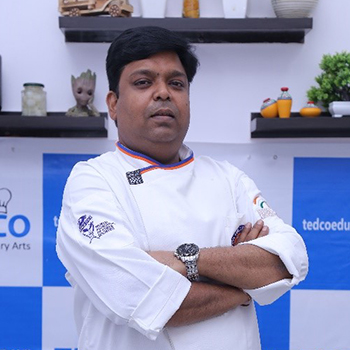
Centre Head & Head of Department
 Whatsapp
Click one of our representatives below to chat on WhatsApp or send us an email to
info@tedcoeducation.com

Counselor
Bakery and Pastry Courses
Counselor
Culinary Arts Courses
Click one of our representatives below to chat on WhatsApp or send us an email to
info@tedcoeducation.com
Counselor
Bakery and Pastry Courses
Counselor
Culinary Arts Courses

