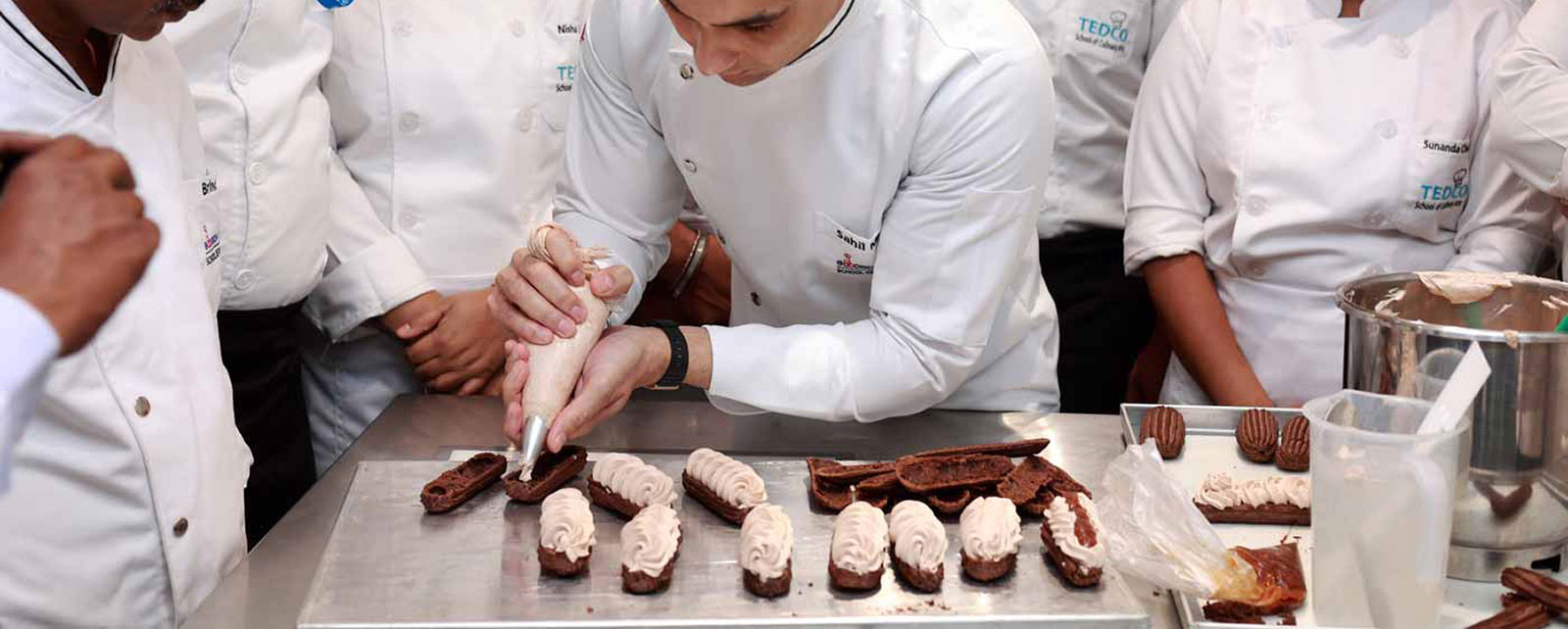

Bakeries bring warmth, comfort, and happiness to every community. From fresh bread in the morning to decadent desserts for celebrations, they are an essential part of daily life. Starting your own bakery can be both exciting and challenging, requiring equal parts of passion, planning, and perseverance.
If you dream of owning a bakery one day, the right education and preparation can set the foundation for your success. Enrolling in bakery courses in Delhi at reputed institutes like Tedco Global Chefs Academy (TGCA) can help you gain both the technical and business skills needed to establish and run a successful baking venture.
However, professional training is only one part of the journey. To turn your passion for baking into a thriving business, you must understand every step — from planning and licensing to branding and customer service. Here’s the ultimate guide for bakers who are ready to turn their love for baked goods into a profitable and fulfilling career.
Before you begin, define your vision. The first step in starting a bakery business is identifying the type of bakery you wish to run. The baking industry has evolved tremendously, offering several business models to choose from:
While you explore your options, consider your resources, budget, and market demand. Taking a bakery chef course from a reputed institute like TGCA helps you understand which format aligns best with your skills and goals.
Every successful business starts with a well-structured plan. A bakery business plan acts as your roadmap, outlining how you’ll operate, market, and grow your brand. It also helps attract investors or secure funding if needed.
Your bakery business plan should include:
A clear plan not only helps you stay organized but also ensures that your bakery has a sustainable growth strategy.
Location plays a vital role in the success of any bakery. Whether you are opening a boutique patisserie or a casual cake shop, visibility and accessibility are key. Look for an area with good footfall, such as near schools, offices, or residential neighborhoods.
Avoid opening your bakery next to well-established competitors. Instead, choose a location that allows your brand to stand out and serve a niche market. If you are unsure, seek guidance from a commercial real estate expert who understands food business zoning and requirements.
Additionally, ensure that your space meets basic infrastructure needs such as ventilation, storage, and adequate room for baking equipment.
Interested in joining? Fill this form, and we will reach out with course information and next steps.
Before launching operations, you must secure the necessary licenses to comply with food safety and business regulations in India. These include:
Completing these legal requirements protects your business and builds customer trust. If you are opening your bakery in Delhi, Tedco’s expert mentors often guide students enrolled in bakery courses in Delhi on handling documentation and regulatory processes efficiently.
A bakery’s menu is its biggest selling point. To stand out, you must balance creativity with familiarity. Start with popular favorites such as fresh bread, croissants, cupcakes, and pastries while adding signature desserts that reflect your personal style.
To stay ahead of trends, explore global baking techniques and seasonal recipes. A professional baking course helps you understand how to design menus that appeal to both local tastes and modern dessert lovers.
Keep your offerings dynamic—introduce limited-edition products or festive specials to keep customers excited and engaged.
Good baking depends on quality. Investing in the right equipment and ingredients ensures consistency and superior taste. Essential bakery tools include ovens, planetary mixers, freezers, measuring tools, trays, and storage units.
Opt for stainless steel equipment for hygiene and durability. Build relationships with reliable suppliers who can provide high-quality flour, chocolate, butter, and other baking essentials. Remember, using premium ingredients will set your bakery apart and help build a loyal customer base.
Even the most talented bakers need support. Hiring skilled and passionate professionals ensures smooth operations and consistent output. A typical bakery setup includes:
If you are starting small, you can handle multiple roles initially. However, as your business grows, expanding your team will become essential. TGCA’s baking classes in Delhi also focus on developing leadership, teamwork, and management skills—qualities crucial for running a successful kitchen.
Branding gives your bakery its identity. From the logo to packaging and signage, every detail should reflect your story and style. Hire a designer to create a memorable logo, color palette, and tagline that resonate with your audience.
For marketing, start small but be consistent. Distribute flyers in nearby localities, offer samples during festive seasons, and participate in community events. Most importantly, build a strong online presence. Use social media platforms like Instagram and Facebook to showcase your creations, share customer reviews, and post behind-the-scenes content.
Collaborating with food influencers and listing your bakery on Google Maps can also drive more local traffic. Tedco’s professional baking course includes modules on branding and entrepreneurship, helping you learn how to market your business effectively from day one.
In today’s digital-first market, partnering with online food delivery platforms can expand your customer reach. Tie up with trusted services such as Zomato, Swiggy, or Dunzo to make your products easily accessible to customers who prefer ordering online.
Make sure your packaging is sturdy and eco-friendly to preserve freshness and enhance brand value.
The bakery business thrives on creativity and consistency. Keep experimenting with new recipes, flavors, and designs to keep your menu exciting. Regularly attend workshops, online baking sessions, or advanced bakery chef course programs to stay updated with the latest trends in global patisserie.
Encourage customer feedback and adapt to market preferences. Successful bakeries continuously evolve, combining innovation with authenticity to create lasting impressions.
Starting a bakery is not just about mixing ingredients and baking bread; it is about blending creativity, business sense, and customer connection. With proper planning, training, and persistence, you can build a bakery that people love and trust.
If you are passionate about baking and want to take your skills to a professional level, Tedco Global Chefs Academy (TGCA) offers some of the most recognized bakery courses in Delhi and baking classes in Delhi. Their internationally accredited programs, expert mentors, and practical learning modules prepare you for success in every aspect of baking and entrepreneurship.
So, whether you dream of running a cozy home bakery or a high-end patisserie, this is your moment to rise. Enroll in a professional baking course, gain industry-level expertise, and watch your passion for baking transform into a thriving business.
Most bakery courses in Delhi range from 3 months to a year, depending on the program. They cover practical baking skills, business insights, and hands-on training for professional growth.
Yes, enrolling in baking classes in Delhi or a professional baking course equips beginners with essential skills, from basic techniques to menu planning and kitchen management.
To operate legally, you need FSSAI registration, GST, local health permits, fire safety certification, and Shop & Establishment registration. These ensure compliance and build customer trust.
Unique recipes, seasonal specials, creative presentation, and quality ingredients help differentiate your bakery. Branding, social media, and collaborations with influencers increase visibility and customer loyalty.
While not mandatory, a diploma in culinary arts provides advanced techniques, professional training, and credibility. It enhances skills, opens career opportunities, and supports running a successful bakery business.

Pastry Instructor
 Whatsapp
Click one of our representatives below to chat on WhatsApp or send us an email to
info@tedcoeducation.com

Counselor
Bakery and Pastry Courses
Counselor
Culinary Arts Courses
Click one of our representatives below to chat on WhatsApp or send us an email to
info@tedcoeducation.com
Counselor
Bakery and Pastry Courses
Counselor
Culinary Arts Courses

