

Choosing a career after school is one of the most important decisions a student makes, especially today when the hospitality sector offers many exciting paths. Among these, Hotel Management and Culinary Arts are the most popular choices. Both fields promise global opportunities, creative workspaces, and long-term growth. However, the two are very different in terms of skills, training, and roles. Understanding these differences will help you choose a path that matches your interests, personality, and ambitions.
Many students today want careers that allow them to combine passion, stability, and creativity. With the rise of global food culture, luxury hotels, international travel, and dining experiences, both hotel management and culinary arts in India have grown rapidly. These fields offer promising futures for students who want professional training and international exposure early in their careers.
To choose the right path, you need clarity about what each field offers and how each profession shapes your everyday work life. This detailed comparison will guide you through the responsibilities, job roles, skills, education, and growth possibilities in both fields.
Culinary Arts and Hotel Management both play powerful roles in the hospitality industry, but they lead to completely different professional journeys. Many students feel naturally drawn toward the creativity and technical discipline of cooking, which makes the culinary field especially appealing today. As restaurant culture, gourmet food trends, premium bakeries, and global cuisines rise in popularity, more young learners now see Culinary Arts as a direct path to creative expression, entrepreneurship, and international opportunities.
A Culinary Arts Course teaches far more than just cooking. It builds your ability to understand food at a professional level, covering flavor design, ingredient chemistry, global cuisine mastery, plating precision, and the craft of creating food experiences. Students learn in live kitchens where every session focuses on hands-on practice. This makes Culinary Arts ideal for learners who enjoy creativity, experimentation, and active learning.
The top Culinary Arts Colleges in India train students in international cuisines, modern culinary techniques, pastry basics, menu costing, hygiene standards, nutrition science, and food business concepts. This allows students to build careers in hotels, fine dining restaurants, cloud kitchens, gourmet cafés, and personal chef services.
Institutes like Tedco Global Chefs Academy focus heavily on practical training. Students spend most of their time in real kitchen environments, gaining professional confidence and technical mastery. This level of focused culinary exposure makes Culinary Arts a strong career option for students who want a hands-on and creatively driven profession.
Culinary arts is ideal for students who enjoy hands-on learning. If you enjoy being in the kitchen, experimenting with ingredients, or imagining new recipes, culinary arts may suit you more than hotel management.
Hotel Management covers a wider scope. It teaches students how to run hotels, resorts, restaurants, cruise lines, event companies, and hospitality businesses. Students learn front office management, housekeeping, food and beverage operations, guest relations, communication, and administration.
While culinary students work mainly in kitchens, hotel management graduates handle hotel operations and customer service. This makes hotel management ideal for students who enjoy leadership, management, coordination, and public interaction.
The field has multiple specializations including hospitality marketing, tourism management, housekeeping management, event planning, guest services, and operations.
With the growth of tourism and luxury hospitality, hotel management and culinary arts colleges in India offer high placement rates and global internships.
Both fields belong to the same hospitality ecosystem, yet their work styles are very different.
This difference is important because it directly affects your daily responsibilities, career environment, and long-term growth path.
After completing a Culinary Arts Course, students can begin as trainee chefs and gradually move to roles like chef de partie, sous chef, and executive chef. With experience, many chefs launch restaurants, cafés, cloud kitchens, bakeries, catering businesses, recipe development studios, and food brands.
Students who complete Chef Courses After 12th often enjoy faster career growth because they start early and build strong technical foundations. Many become successful entrepreneurs before the age of thirty.
A Professional Chef Course helps students gain structured knowledge of food preparation, baking, international cuisine, presentation, sanitation rules, and commercial kitchen equipment. These skills open global opportunities, as chefs are in demand everywhere.
Hotel management graduates start with roles such as front office executive, guest service associate, food and beverage supervisor, housekeeping supervisor, or event assistant. With experience, they move to managerial and operational roles.
Hotel management careers offer strong international mobility. Cruise lines, airlines, luxury resorts, theme parks, and tourism giants regularly recruit hotel management graduates from India because of their versatility and adaptability.
Students often ask Which is better culinary arts or hotel management. The right answer depends on personality and passion, but Culinary Arts is often preferred by students who want a more creative and skill-driven profession. If you enjoy crafting dishes, experimenting with ingredients, designing flavors, and working in active kitchen environments, Culinary Arts can offer faster growth, specialized expertise, and a clear professional identity as a chef. Hotel management focuses more on administration and customer service, making it ideal for students who enjoy communication and hospitality operations.
Culinary Arts builds a strong personal brand and allows students to become chefs, entrepreneurs, food creators, or culinary innovators. Hotel management is a broader field, but culinary training gives you a recognizable craft that is always in demand.
India has several top-tier hospitality institutes offering both hotel management and culinary programs. These colleges provide industry-relevant training, skill-based learning, and practical internships.
The best colleges ensure exposure to professional kitchens, advanced hospitality systems, and global culinary trends. Students get opportunities to train in restaurants, pastry labs, housekeeping labs, and front office environments.
This training prepares students for both domestic and international hospitality careers.
Culinary Arts is expected to grow even faster in the coming years. The rise of fine dining restaurants, specialty cafés, bakery chains, gourmet food delivery, plant-based cuisines, and international food culture has created huge demand for trained chefs. Culinary professionals also find opportunities in food styling, recipe development, cloud kitchens, boutique bakeries, and chef-led brands.
Hotel management will continue to grow as well, but culinary arts offers more opportunities for creativity, entrepreneurship, and personal recognition. A chef develops a unique style and identity, which often leads to faster individual career growth compared to traditional hotel roles.
Hotel management focuses on hospitality operations, customer service, and administration. Culinary arts deals with cooking, food preparation, and kitchen creativity. Your preference for management or hands-on cooking determines the ideal path.
Both offer strong global opportunities. Culinary arts allows chefs to work in kitchens worldwide. Hotel management gives access to hotels, cruise lines, resorts, and tourism companies across many countries.
Yes. Many institutes offer Chef Courses After 12th, helping students start early and build strong skills. Culinary training after school leads to fast growth and wide industry exposure.
Yes. Hotel management welcomes beginners with communication skills and an interest in hospitality. Training builds confidence, practical knowledge, and leadership abilities useful for multiple departments within the hospitality industry.
Costs vary across institutes. However, many Culinary Arts Colleges in India offer affordable programs compared to foreign institutes. Students receive strong training and industry exposure without high financial investment.
Yes. Culinary professionals grow quickly with skill and creativity. As chefs gain experience, they move to senior roles or start businesses, often earning more than conventional career paths.
Both support entrepreneurship. Culinary arts is ideal for starting bakeries, restaurants, or food brands. Hotel management helps launch hotels, cafés, event companies, and hospitality services depending on interest and training.
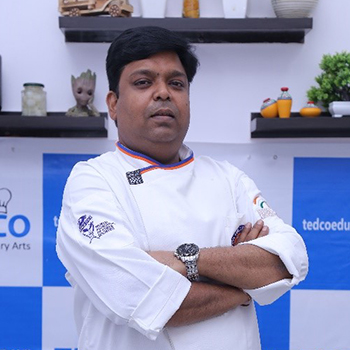
Centre Head & Head of Department
 Whatsapp
Click one of our representatives below to chat on WhatsApp or send us an email to
info@tedcoeducation.com

Counselor
Bakery and Pastry Courses
Counselor
Culinary Arts Courses
Click one of our representatives below to chat on WhatsApp or send us an email to
info@tedcoeducation.com
Counselor
Bakery and Pastry Courses
Counselor
Culinary Arts Courses

