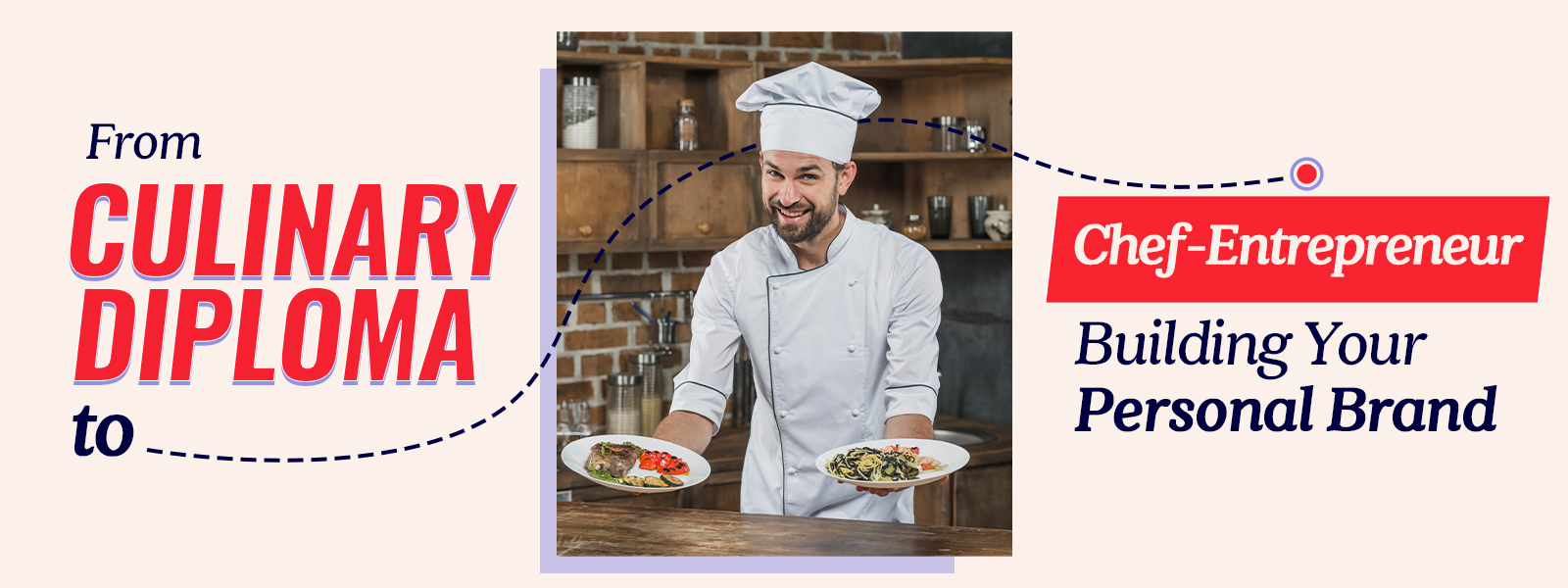
Cooking great food? That’s actually the easy part. Selling yourself? That is a whole different issue. There was a time when a chef could hide behind the swinging kitchen doors, head down, focusing solely on the plate. That era is dead. Buried. In the age of Instagram reels and influencer-chefs, if you want to run the show, you need to be the show.
Many students walk into the kitchen on day one thinking their education stops the moment they master the Mother Sauces. But here is the reality check: if you are eyeing the top of the food chain, your diploma in culinary arts is just the foundation. The real work, your business, starts the moment you take off the apron.
You might be the most talented cook in the city. Your knife skills might be scary good. But if nobody knows your name, you aren't an entrepreneur; you're a well-kept secret. And secrets don't pay the bills.
The landscape of culinary arts in India has exploded. The competition is fierce. To stand out, you need to treat your career like a product. This is where personal branding for chefs comes into play. It’s not just about posting pretty pictures of tweezer-plated herbs. It’s about your story.
Building a personal brand requires consistency and authenticity; it is not enough to simply post photos of finished dishes. You must share the process, the failures, and the philosophy behind your cooking to truly engage an audience. Are you a champion of sustainability, a master of regional Indian cuisine, or a pastry innovator? Define your niche early. Use platforms like LinkedIn to connect with industry leaders and investors, while using Instagram to showcase your visual style to potential customers. Remember, investors invest in people, not just concepts. Your digital footprint serves as your dynamic, 24/7 portfolio, demonstrating your unique voice and expertise to the world even when you aren't in the kitchen.
To build a brand, you must offer more than just a menu; you need a compelling narrative. In a saturated market, your unique perspective is your strongest asset. Are you reviving lost regional Indian recipes, or are you fusing French technique with local spices? Your content should reflect this specific identity. Don't just post the final dish; document the struggle, the sourcing of ingredients, and the philosophy behind your choices. Authenticity resonates with audiences far more than perfection. By consistently sharing your journey, the experiments, the failures, and the triumphs, you build a loyal community that feels invested in your success before you even open your doors.
You might be thinking, "If branding is everything, do I really need formal education?" You can fake a photo, but you can’t fake technique. When you are pitching to investors or trying to secure a bank loan for your dream bistro, credibility is currency. A recognised diploma in culinary arts signals that you aren't just a home cook with a viral video; it proves you have the discipline, the hygiene standards, and the technical rigour to handle commercial volume.
Your culinary diploma is your safety net. It allows you to take creative risks because your fundamentals are rock solid. You can't break the rules until you master them.
Most generic chef courses teach you how to follow a recipe. They don't teach you how to create a menu, so you don't go bankrupt in month three.
If you are wondering how to become a chef entrepreneur, you need to shift your thinking from "Employee" to "Owner." You need to understand that a restaurant is a business first and an art gallery second.
The culinary diploma career opportunities today are wild, from cloud kitchens and pop-ups to private dining and consulting. But successfully launching a food business after culinary course completion requires a grasp of numbers as tight as your grasp of a knife.
Entrepreneurship is rarely a solo sport, especially in the hospitality industry. Your network is often just as valuable as your culinary skill set. Aspiring chef-entrepreneurs must actively cultivate relationships outside the kitchen, engaging with food bloggers, suppliers, investors, and fellow chefs. Soft skills like negotiation, public speaking, and team management are crucial when you step out of the kitchen to represent your brand. Attending industry events, collaborating on pop-ups, and maintaining strong ties with your culinary school alumni can provide the support system needed to navigate the volatile restaurant business. Remember, opportunities often come from who you know, not just what you cook.
No chef builds an empire in isolation. One of the most underrated aspects of transitioning from a culinary student to a business owner is the power of community. Your peers in culinary school today are your future collaborators, head chefs, and perhaps even business partners tomorrow. Beyond the kitchen brigade, successful entrepreneurship requires actively building relationships with suppliers, food critics, and local influencers. You must be visible at industry events, pop-ups, and food festivals. Soft skills, such as communication and negotiation, become just as important as your ability to sauté. A strong professional network can open doors that talent alone cannot, turning a struggling startup into a thriving culinary hotspot.
At Tedco Education, we do not just train cooks. We shape professionals who are ready to lead. The culinary industry in India is evolving rapidly, and success today demands far more than technical knowledge. It requires confidence, adaptability, and a clear understanding of how the industry truly works. That is exactly where Tedco makes the difference.
Our approach goes beyond teaching recipes. Yes, we focus on mastering the craft, but we also emphasize discipline, efficiency, and decision-making in real kitchen environments. Students are trained to think like professionals from day one, not just execute tasks. The goal is to prepare you for the realities of a fast-paced culinary career.
The diploma in culinary arts at Tedco is designed to give you strong technical grounding, supported by mentors who have actually built and run successful kitchens and food businesses. Their real-world experience ensures that learning goes beyond textbooks. You gain insight into kitchen operations, team management, cost control, and the mindset required to grow in the industry.
Unlike traditional programs that end at graduation, Tedco helps you understand where you fit in the market and how to move forward with confidence. Whether your ambition is to rise through the ranks of a five-star hotel or to launch your own culinary venture, the foundation matters.
If you are ready to stop following recipes and start creating your own path, Tedco is where your journey begins. Do not just earn a diploma. Build a career blueprint that sets you apart.
Technically, yes. But we usually advise getting some "line experience" first. A diploma in culinary arts gives you the skills, but working in a real kitchen teaches you speed and crisis management. Many successful entrepreneurs work for 2-3 years to learn on someone else's dime before launching their own food business.
In 2026? Absolutely. Personal branding for chefs is no longer optional if you want to be an entrepreneur. It helps you attract investors, customers, and media attention. Even if you work for a hotel, a strong personal brand can help you negotiate a higher salary.
Yes. We believe a modern chef needs to be a businessman. While our primary focus is culinary technique, our mentors provide insights into food costing, menu engineering, and kitchen management, critical skills for any culinary diploma career.
No. You need a great product and financial discipline. A specialised culinary diploma is often more valuable than a generic business degree because it teaches you the specific economics of food waste control, supplier negotiation, and staffing.
The options are endless. You aren't limited to opening a full-scale restaurant. You can start a premium cloud kitchen, a boutique catering service, a chocolate atelier, or even a culinary consulting firm. The chef courses at Tedco prepare you with the versatility to explore all these avenues.
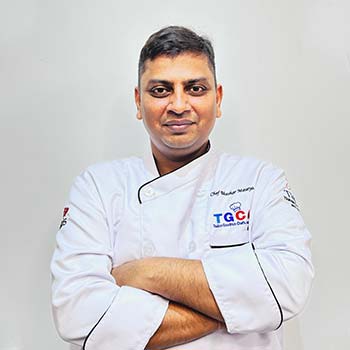
Culinary Instructor
 Whatsapp
Click one of our representatives below to chat on WhatsApp or send us an email to
info@tedcoeducation.com

Counselor
Bakery and Pastry Courses
Counselor
Culinary Arts Courses
Click one of our representatives below to chat on WhatsApp or send us an email to
info@tedcoeducation.com
Counselor
Bakery and Pastry Courses
Counselor
Culinary Arts Courses

