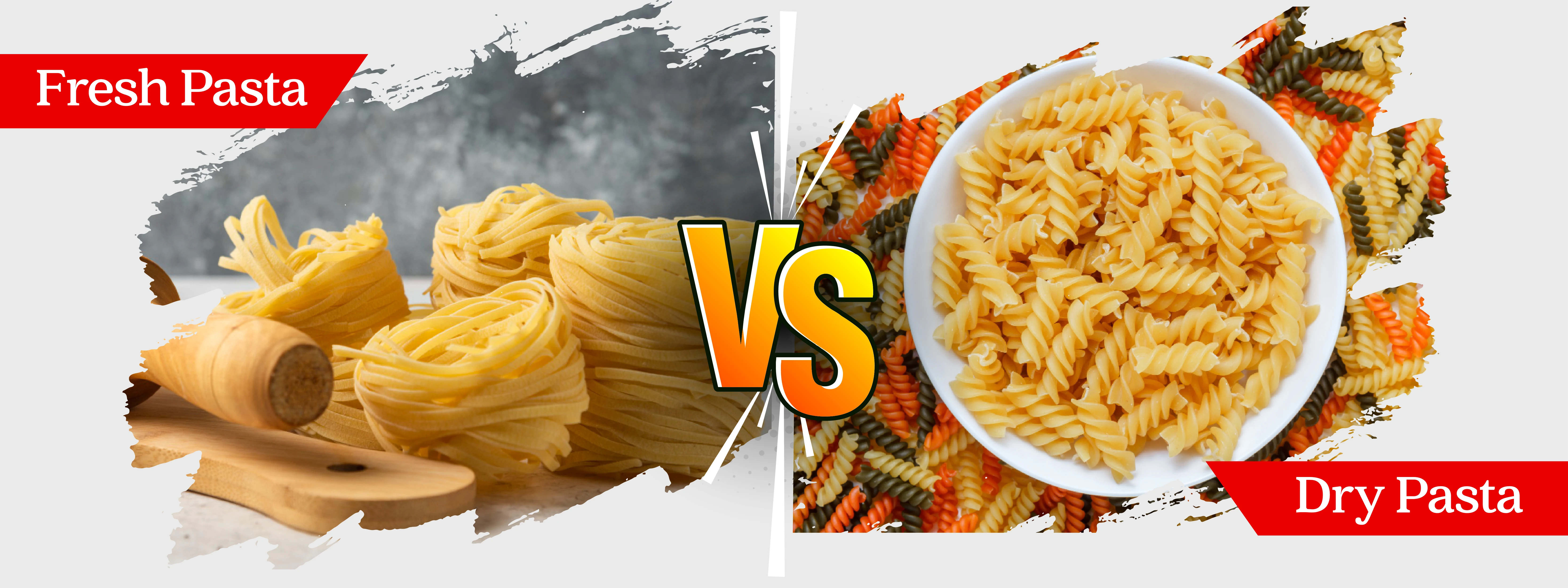
Pasta is more than just an Italian staple. It is a test of precision, technique, and understanding of texture. For culinary students pursuing a diploma in culinary arts, learning pasta properly builds core kitchen skills that extend far beyond Italian cuisine. The debate of fresh pasta vs dry pasta is not simply about preference. It is about technique, practicality, texture, restaurant application, and professional development. Students enrolled in culinary arts courses in India are expected to understand both styles thoroughly, because modern kitchens demand versatility. But when beginning formal training, which type should students master first?
Fresh pasta is traditionally made from flour and eggs, kneaded into a smooth dough, rested, rolled thin, and shaped into strands or stuffed forms. It is soft, delicate, and cooks quickly. Preparing fresh pasta teaches foundational culinary skills such as gluten development, dough hydration balance, kneading technique, and rolling consistency.
The process requires patience and precision. Too much flour makes the dough stiff. Too little kneading weakens structure. Rolling unevenly affects cooking time. This hands-on approach builds discipline and technical awareness.
Fresh pasta is often used in dishes like tagliatelle with butter sauce, ravioli with ricotta filling, or pappardelle with cream-based preparations. Its tender texture pairs well with light sauces that cling gently rather than overpower.
For students in a diploma in culinary arts program, fresh pasta offers a direct introduction to craftsmanship and manual skill development.
Dry pasta, commonly referred to as packaged pasta, is made from semolina flour and water. It is extruded into specific shapes and then dried to extend shelf life. Unlike fresh pasta, it does not contain eggs in most traditional varieties.
Dry pasta requires precise boiling techniques. Students must understand water-to-pasta ratio, salt concentration, timing, and finishing in sauce. Cooking dry pasta to perfect al dente texture requires control and awareness.
Dry pasta works especially well with robust sauces such as ragù, marinara, pesto, and arrabbiata. Its firm structure allows it to maintain shape during longer cooking and mixing processes.
In culinary arts courses in India, students are trained to match pasta shapes with sauce consistency. For example, penne works well with chunky sauces, while spaghetti suits smoother preparations.
The most noticeable difference between the two lies in texture. Fresh pasta is softer, silkier, and more delicate. It absorbs sauce quickly and delivers a smooth mouthfeel.
Dry pasta is firmer and slightly chewy when cooked correctly. Its dense structure gives it resilience, especially in baked dishes or heavy sauces.
Understanding the fresh pasta vs dry pasta texture difference is critical in professional kitchens. Texture influences plating, portioning, and guest satisfaction.
From an operational perspective, homemade pasta represents craftsmanship. It adds premium value to menus and allows customization with ingredients like spinach, beetroot, or herbs.
Packaged pasta, however, offers consistency, storage convenience, and speed. In high-volume kitchens, efficiency matters.
So which pasta is better for restaurants? Fine-dining establishments often prefer fresh pasta to showcase technique. Casual restaurants and cafés rely on high-quality dry pasta for reliability.
Students must learn both approaches to adapt to different kitchen environments.
Regardless of type, pasta mastery requires strong fundamentals.
For dry pasta, students must learn:
For fresh pasta, students must learn:
In a structured diploma in culinary arts curriculum, these pasta cooking techniques are taught progressively to ensure technical clarity.
Fresh pasta contains eggs, increasing protein and richness. It is more delicate but slightly higher in fat.
Dry pasta, made from semolina, is lower in fat and has a firmer gluten structure. Whole wheat versions provide additional fiber.
The nutritional difference is not extreme, but ingredient composition affects dietary planning. Professional chefs must understand this when designing balanced menus.
For beginners, starting with dry pasta is often practical. It builds foundational boiling discipline and sauce pairing knowledge without the added complexity of dough preparation.
Once students are confident with timing and finishing techniques, fresh pasta introduces advanced skill development. It refines manual dexterity, ingredient balance, and precision.
A step-by-step progression helps students gain confidence while maintaining technical clarity.
Modern kitchens expect versatility. A graduate from culinary arts courses in India should confidently prepare both fresh and dry pasta.
Restaurants may require quick service one day and artisanal presentation the next. Adaptability defines employability.
This is why structured training is essential.
At Tedco Education, students pursuing a diploma in culinary arts receive hands-on exposure to both fresh and dry pasta preparation. The curriculum blends traditional Italian techniques with modern restaurant applications.
Students learn texture control, sauce pairing, plating aesthetics, and kitchen efficiency under expert supervision. This balanced approach ensures industry readiness.
Fresh pasta teaches artistry. Dry pasta teaches consistency. Together, they build professional competence.
Fresh pasta and dry pasta are not rivals. They serve different purposes in professional kitchens. Fresh pasta showcases craftsmanship and finesse. Dry pasta offers structure, reliability, and scalability.
For culinary students, mastering dry pasta first builds discipline. Mastering fresh pasta afterward builds refinement. Together, they form a complete foundation that prepares chefs for real-world kitchens.
At Tedco Education, this balanced training ensures students graduate with both technical strength and creative confidence.
Come get your hands dirty and master the art of professional cooking. Enrol today.
Fresh pasta is soft and egg-based, offering delicate texture. Dry pasta is firmer, made from semolina and water, and provides structure suitable for robust sauces and high-volume restaurant cooking.
Dry pasta is generally easier because it focuses on boiling, timing, and sauce pairing. Fresh pasta requires dough preparation skills, making it slightly more advanced for beginners.
Fresh pasta contains eggs, increasing protein and richness. Dry pasta usually has lower fat content. Overall health depends more on portion size, ingredients, and sauce choices than pasta type.
Fine-dining restaurants value craftsmanship and customization. Fresh pasta allows chefs to showcase technique, adjust flavors, and create unique textures that elevate presentation and guest dining experiences.
Yes. Professional kitchens require versatility. Learning both fresh and dry pasta ensures students develop technical skill, adaptability, and confidence needed to work across diverse restaurant environments.

Culinary Instructor
 Whatsapp
Click one of our representatives below to chat on WhatsApp or send us an email to
info@tedcoeducation.com

Counselor
Bakery and Pastry Courses
Counselor
Culinary Arts Courses
Click one of our representatives below to chat on WhatsApp or send us an email to
info@tedcoeducation.com
Counselor
Bakery and Pastry Courses
Counselor
Culinary Arts Courses

