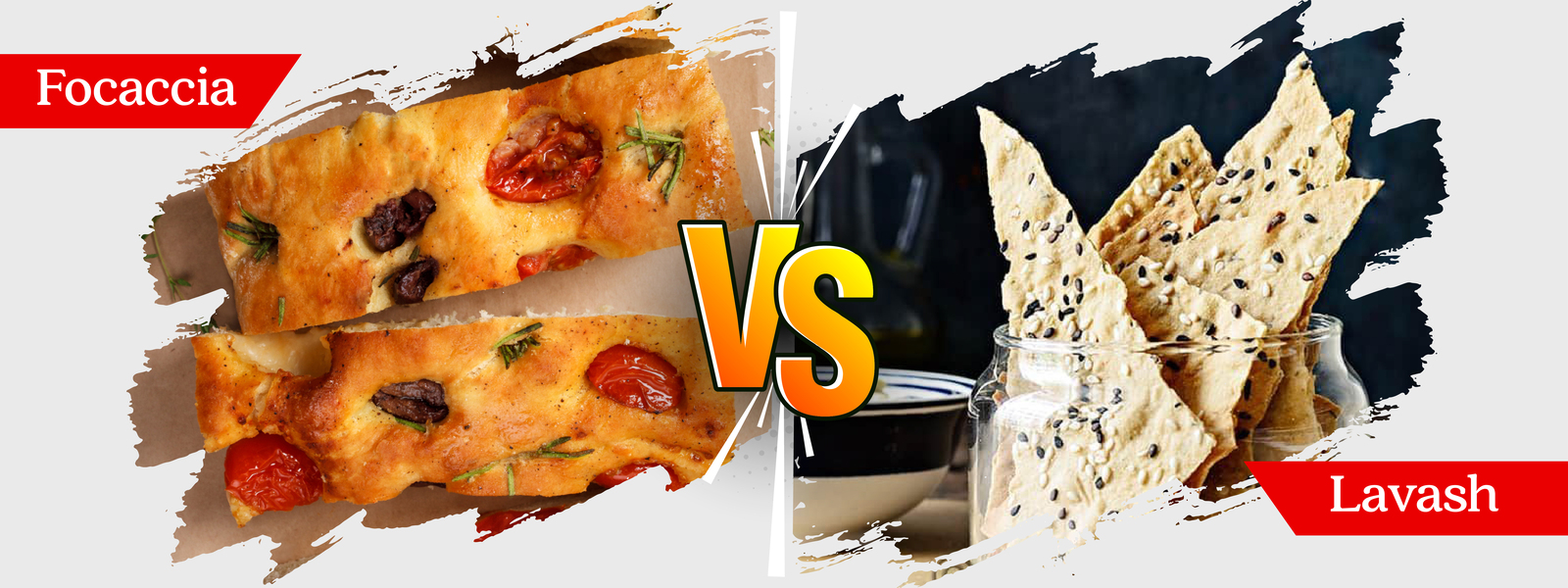
Bread is the most primal thing we cook. It is flour, water, and patience. Yet, with those same humble ingredients, you can create two completely different universes. On one side, you have the soft, oily, herb-scented pillow of Italy. On the other hand, the paper-thin, cracker-like snap of the Caucasus.
If you are just starting your journey into artisan bread, you might be wondering about the specific technicalities of focaccia vs lavash. Which one is harder? Which one goes better with a dinner party? And most importantly, how do you nail the texture, every single time? Mastering the precise hydration and heat control required for these distinct styles is exactly what you would learn in a professional bakery chef Course.
Let’s step into the bakery. We aren't just comparing recipes here; we are comparing philosophies.
Focaccia is not a bread that asks for precision. It asks to be touched. Originating from Genoa, this iconic Italian flatbread is built around generosity, especially when it comes to olive oil. It is not simply baked bread. It is a canvas for flavour, texture, and technique.
The true character of focaccia lies in its hydration. The dough is intentionally wet, almost unruly. When students first work with it at Tedco Education, the texture often surprises them. It feels sticky, loose, and alive in the hands. That is exactly how it should be. High hydration allows the dough to develop an open crumb and the lightness that defines great focaccia.
Fermentation is where the magic happens. The dough is left to rise slowly, giving yeast the time it needs to create deep flavour and those signature, irregular air pockets. Rushing this process removes everything that makes focaccia special.
Then comes the defining moment, dimpling. Fingers press deep into the dough, creating small wells that capture olive oil and brine. These pockets ensure every bite is rich, aromatic, and indulgent.
Once baked, focaccia emerges golden and crisp on the outside, almost fried at the base, yet soft and airy within. It is rustic, comforting, and unapologetically indulgent. A true heavyweight of Italian baking.
Now, strip everything away. No massive rise. No crumb. Just pure, unadulterated crunch (or chew, depending on how you bake it). This is lavash bread. Lavash is ancient. It hails from Armenia, Iran, and Turkey, traditionally baked against the hot clay walls of a Tonir (tandoor). Unlike Focaccia, which relies on a slow, luxurious rise, Lavash is about stretching.
The skill here is in the rolling. Can you get the dough so thin you can almost read a newspaper through it, without tearing it? When it hits the heat, it bubbles up instantly and blisters. It’s ready in seconds, not hours. It is the ultimate flatbread comparison, one is about volume, the other is about surface area.
When you work with dough hands-on, the difference between focaccia and lavash becomes immediately clear. While both are flatbreads, their structure, preparation, and culinary purpose are entirely different.
The first major distinction lies in leavening. Focaccia relies heavily on yeast and extended fermentation, often stretching beyond 24 hours. This slow rise allows complex flavours to develop while creating the airy, open crumb that defines the bread. Lavash, on the other hand, is traditionally unleavened or made using a small amount of old dough. As a result, it remains thin, flexible, and flat, with very little rise.
Fat content is another defining factor. Focaccia is generously enriched with olive oil, both in the dough and on the surface. This gives it a rich mouthfeel, deep flavour, and a golden, crisp exterior. Lavash uses minimal fat, relying mainly on flour, water, and salt. The result is a lighter, drier bread that can be baked crisp or kept pliable.
Texture ultimately determines how each bread is used. Focaccia is soft and spongy, designed to absorb oils, sauces, and toppings. Lavash is structured and functional, often used as a wrap, scoop, or edible utensil.
Understanding these differences is essential for any chef looking to master bread fundamentals and apply them correctly in professional kitchens.
Knowing how to bake them is step one. Knowing how to sell them to a guest is step two. When deciding on focaccia vs lavash serving ideas, you need to think about the "architecture" of the meal.
Serve Focaccia When:
Serve Lavash When:
You can read a hundred blog posts about focaccia vs lavash. You can memorise the hydration percentages. But can you feel when the gluten is developed enough? Bread making is a tactile art. It’s about muscle memory. It’s about knowing that the weather is humid today, so the Lavash needs a little less water, or the Focaccia needs ten more minutes to proof.
This is the difference between a home cook and a professional baker. And this is what we teach at Tedco. Our baking modules don't just give you recipes. We teach you to read the dough. We teach you the science of fermentation and the art of the oven. Whether you want to master artisan bread for your own bakery or just be the best baker in your family, you need hands-on mentorship.
Come get your hands dirty and master the art of artisan baking. Enrol today.
YouTube can't tell you if your dough is too tight. We can. So, who wins the battle of focaccia vs lavash? Neither. A true chef knows that the winner is the one who knows when to use which.
No, and this is a common misconception! Lavash bread comes in two distinct forms. It can be soft and flexible, which is perfect for making wraps, or it can be dried until brittle to be used like a cracker. In Armenia, bakers often bake it in bulk, dry it out for long-term storage, and then simply sprinkle water on it to rehydrate it and make it soft again when they are ready to eat.
Generally speaking, Lavash is lower in calories because it uses significantly less flour per serving and typically contains no added fat. Focaccia bread, while delicious, is much more calorie-dense due to the generous amount of olive oil used both in the dough and to coat the pan for that signature fried crust.
Not really, or at least not if you want the authentic result. The defining texture of Focaccia is the open airiness, which comes directly from yeast (or sourdough starter) producing gas during fermentation. If you remove the leavening agent, you will end up with a dense, heavy puck rather than the fluffy bread you are expecting. The main difference between focaccia and lavash is exactly this biological rise.
The shelf life depends heavily on the type. Focaccia is best eaten the same day it is baked, but it can stay fresh for about two days if wrapped well, and it also freezes beautifully for later use. On the other hand, if Lavash is baked crisp, it can last for weeks in an airtight container, whereas the soft version dries out quickly and should ideally be consumed within 24 hours.
The equipment requirements differ based on the bread. For Focaccia, you specifically need a metal baking pan or sheet pan to hold the shape and the generous amount of oil. Lavash, however, benefits greatly from a pizza stone or baking steel because the direct high heat mimics the wall of a tandoor to create those signature blisters, though an inverted baking tray can work in a pinch.
Centre Head & Head of Department
 Whatsapp
Click one of our representatives below to chat on WhatsApp or send us an email to
info@tedcoeducation.com

Counselor
Bakery and Pastry Courses
Counselor
Culinary Arts Courses
Click one of our representatives below to chat on WhatsApp or send us an email to
info@tedcoeducation.com
Counselor
Bakery and Pastry Courses
Counselor
Culinary Arts Courses

