Stocks are the quiet foundation of great cooking. They build depth, aroma, and richness that simply cannot be achieved with water alone. Whether you’re preparing soups, curries, risottos, or sauces, stock determines how flavourful and balanced your final dish will be. Among all varieties, fish stock and vegetable stock are two of the most commonly used bases in home and professional kitchens.
Both bring unique qualities, textures, and aromas to a recipe, but they are entirely different in nature, preparation, and culinary purpose. Understanding their strengths helps any cook, whether a beginner or an experienced learner enrolled in an advanced program like an Italian Cooking Course, choose the right foundation for each dish. This guide compares Fish Stock vs Vegetable Stock in detail, covering taste, texture, nutrition, preparation, uses, and differences, helping you master stocks with confidence.
In classical cookery, a stock is a flavourful liquid prepared by simmering bones, vegetables, or both with aromatics. It forms the backbone of sauces, soups, gravies, braises, and reductions. There are five major types of stocks in cooking: White stock, brown stock, fish stock (fumet), vegetable stock, and glace (highly reduced stock).
They differ in ingredients, colour, strength, and cooking time. Fish stock and vegetable stock fall under white stocks, prepared without roasting ingredients.
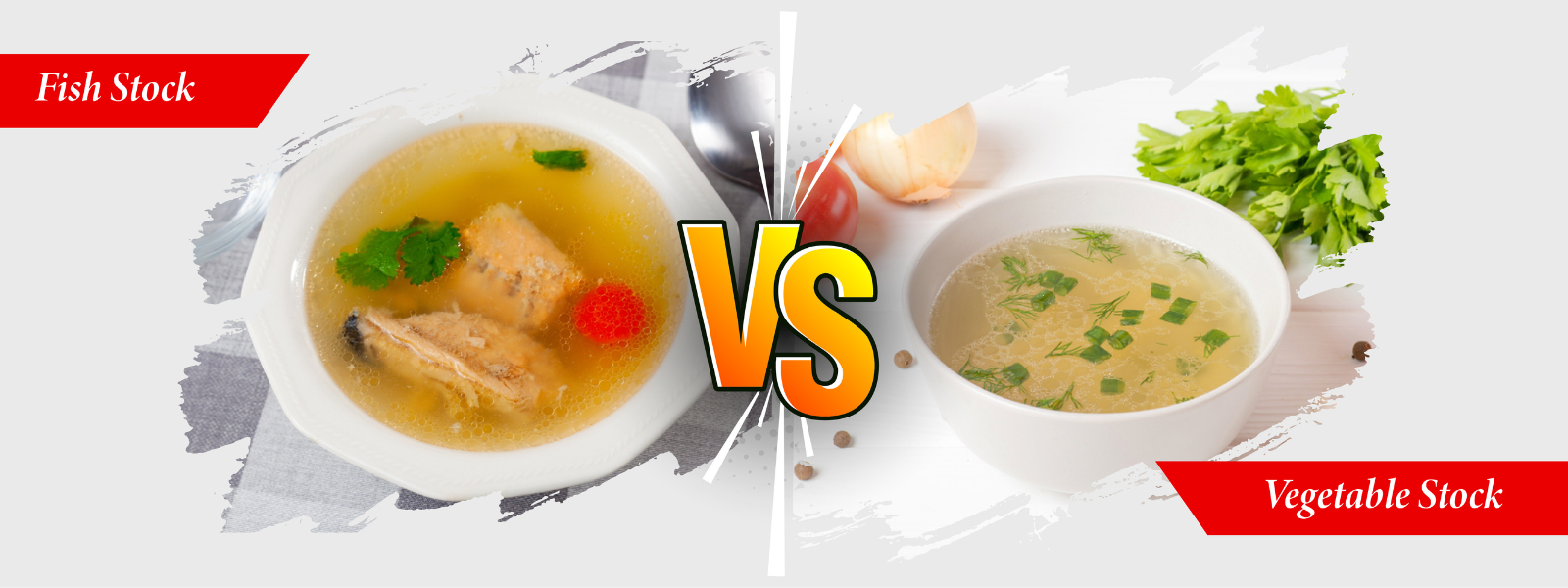
Fish stock, often called fumet, is a delicate, clear, aromatic liquid made from simmering fish bones with mirepoix and herbs. It has a light marine flavour that enhances seafood dishes without overpowering them. It is the base for bisques, seafood chowders, seafood sauces, and fish stews. Because fish bones release flavour quickly, fish stock is much faster to prepare than meat-based stocks.
A classic fish stock uses: Fish bones from white-fleshed fish like snapper, cod, halibut, or sea bass; white mirepoix (onions, leeks, celery, and a small amount of carrot); bouquet garni (thyme, parsley stems, bay leaf); and cold water.
Fish stock has a light, savoury seafood flavour, often described as clean and oceanic. It contains natural collagen from fish bones, giving it a soft, gelatinous texture when cooled. This gelatin enriches soups and sauces, creating a velvety mouthfeel.
Fish stock is used for dishes that benefit from a gentle seafood profile. It’s ideal for seafood risotto, paella, bouillabaisse, bisque, white wine sauces, seafood stews, and chowders.
Vegetable stock is a mild, aromatic liquid made by simmering vegetables with herbs and spices. It is the most versatile stock, ideal for vegetarian and vegan dishes as well as everyday cooking. Unlike fish stock, vegetable stock has no gelatine, making it a lighter option.
A standard vegetable stock includes: White mirepoix (onions, celery, carrot or leeks); bouquet garni; optional additions like mushrooms, garlic, peppercorns, or tomato scraps. Water forms the base.
Vegetable stock tastes earthy, clean, and mildly sweet, depending on the vegetables used. It is clear and light, making it perfect for recipes that require subtle flavour.
Vegetable stock is perfect for soups, sauces, gravies, risottos, lentils, curries, pasta, and general cooking. It blends seamlessly into a wide range of recipes without creating a dominant flavour.
Rich in collagen, minerals like iodine and phosphorus, amino acids, and natural protein. Excellent for joint, skin, and gut health. Very low fat.
High in antioxidants, vitamins, and plant nutrients. Low sodium (when homemade). Zero fat. Suitable for people with dietary restrictions or on plant-based diets.
In terms of taste, fish stock offers an umami-rich seafood flavour that elevates dishes like risotto and stews. Vegetable stock provides a mild, neutral taste that supports dishes without overpowering them.
Chicken stock sits between fish and vegetable stock in terms of flavour and richness. Chicken stock adds body and depth to sauces, soups, and gravies, while fish stock is lighter and suited for seafood. Vegetable stock remains the most neutral and versatile option.
White stock uses raw bones and vegetables, producing a pale, delicate liquid. Brown stock is made from roasted bones and vegetables, offering a deeper colour and more robust flavour. Fish and vegetable stocks are classified as white stocks.
Stocks are classified based on four factors: Main ingredient (fish, vegetable, chicken, meat), colour (white or brown), cooking duration (quick or long), and purpose (base stock or reduced stock).
The answer depends on the dish. Fish stock enhances seafood recipes by adding savoury depth. Vegetable stock enhances a wide variety of dishes without altering flavour profiles. Both shine in their unique roles.
Both fish stock and vegetable stock are essential building blocks in cooking. Fish stock brings delicate marine flavour and gelatinous richness ideal for seafood dishes, while vegetable stock offers light, clean, adaptable flavours that fit almost any recipe.
The best stock is always the one that complements the ingredients and elevates the final dish. By mastering these two basics, every home cook, culinary learner, or someone preparing to join a Cake Making Course, can enhance dishes effortlessly and create food that feels richer, deeper, and more delicious.
Vegetable stock is lower in calories, while fish stock provides collagen and minerals. Both are healthy depending on dietary needs, recipe type, and personal nutritional preference for light or protein-rich stocks.
Vegetable stock can substitute fish stock but will not replicate seafood flavour. It keeps dishes light but lacks the marine depth required for authentic seafood-based recipes and classic coastal preparations.
Boiling fish stock releases bitterness, breaks delicate bones, and makes the liquid cloudy. Gentle simmering extracts clean flavour, preserves clarity, and maintains the stock’s refined, aromatic seafood character.
Both vegetable and fish stocks last three days in the refrigerator or three months when frozen. Always cool completely, store in airtight containers, and label batches clearly with preparation dates.
Avoid bitter vegetables like cabbage, cauliflower, broccoli, turnips, beetroot, and overly starchy ones like potatoes. They overpower stock flavour, create murkiness, and negatively affect overall aroma and balance.

Centre Head & Head of Department
 Whatsapp
Click one of our representatives below to chat on WhatsApp or send us an email to
info@tedcoeducation.com

Counselor
Bakery and Pastry Courses
Counselor
Culinary Arts Courses
Click one of our representatives below to chat on WhatsApp or send us an email to
info@tedcoeducation.com
Counselor
Bakery and Pastry Courses
Counselor
Culinary Arts Courses

