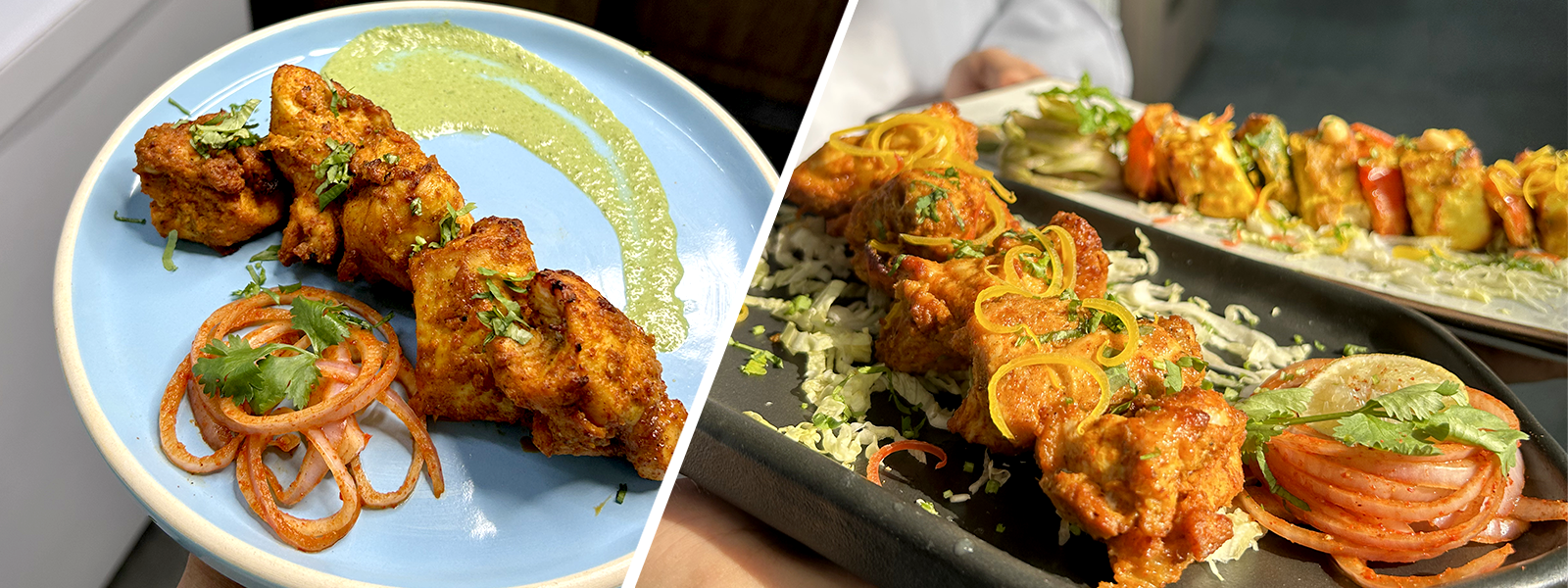
India’s culinary landscape is a treasure chest of regional flavours. Each part of the country brings its own spices, techniques, and traditions to the table. But few rivalries are as mouth-watering as North Indian vs South Indian chicken dishes, especially when you compare Chicken Malai Tikka with Chicken Chettinad.
One is creamy, mild, and melt-in-the-mouth; the other is fiery, aromatic, and bursting with bold spices. Let’s dig deeper into this North-South culinary showdown and see which one truly wins your plate.
Pro Tip : If you want to master the soft, creamy texture of Chicken Malai Tikka or the bold spices of Chicken Chettinad, join cooking classes in Delhi and learn the real tricks behind these regional favourites.
Originating from the heart of North India, particularly Punjab and Delhi, Chicken Malai Tikka is a beloved delicacy known for its soft texture and rich creaminess. The word ‘Malai’ literally means cream, and that’s exactly what makes this dish stand out.
Boneless chicken pieces are marinated in a mixture of fresh cream, hung curd, cheese, white pepper, ginger-garlic paste, and mild spices. The marination is left overnight to ensure every piece soaks in the richness. It’s then skewered and grilled in a tandoor, giving it that signature smoky aroma.
Texture: Silky and juicy
Taste: Mildly spiced, creamy, and buttery
Aroma: Subtle notes of cardamom and grilled cream
Unlike heavily spiced curries, Chicken Malai Tikka is perfect for those who prefer subtle flavours and melt-in-mouth tenderness. The creamy marinade balances tang, spice, and smoke, a treat for the palate.
Travel 2000 kilometres south, and you’ll find yourself in Chettinad, Tamil Nadu, home to one of India’s spiciest and most aromatic cuisines. Chicken Chettinad is the crown jewel of this region, representing South Indian mastery of spices.
Chettinad cooking relies on freshly ground masalas, made from roasted spices such as fennel, cumin, peppercorns, red chillies, coriander seeds, and curry leaves. The chicken is simmered in this blend with onions, tomatoes, coconut, and tamarind, creating a thick, fiery gravy that wakes up every taste bud.
Texture: Thick and rustic
Taste: Bold, spicy, and complex
Aroma: Dominated by curry leaves, roasted spices, and coconut
If you love heat and depth in your food, Chicken Chettinad is a must-try. It’s a dish that tells stories of the South — robust, unapologetic, and bursting with character.
| Feature | Chicken Malai Tikka (North) | Chicken Chettinad (South) |
|---|---|---|
| Base Flavor | Creamy, mild, and buttery | Spicy, earthy, and tangy |
| Main Ingredients | Cream, curd, cheese, mild spices | Coconut, red chillies, curry leaves, tamarind |
| Cooking Method | Grilled in tandoor | Slow-cooked in pan |
| Heat Level | Mild | High |
| Texture | Soft and smoky | Thick and saucy |
| Best Served With | Mint chutney or naan | Steamed rice or parotta |
| Regional Origin | Punjab / Delhi (North India) | Tamil Nadu (South India) |
Both dishes, though indulgent, offer good sources of protein. However, they differ nutritionally due to their ingredients and cooking methods.
In North India, Chicken Malai Tikka is more than just food — it’s a social experience. Found in weddings, family gatherings, and street grills, it represents comfort, warmth, and the aroma of tandoor nights.
In contrast, Chicken Chettinad is deeply rooted in Tamil Nadu’s Chettiar community. The dish reflects the region’s spice trade history — where local ingredients met global flavours. Every bite is a celebration of South India’s culinary confidence.
Pro Tip : Discover how the right marination and spice pairing can elevate any dish when you train at top culinary arts colleges in India with expert chefs guiding you.
Both dishes have travelled far beyond their regional roots. Modern chefs love experimenting by fusing them with contemporary styles.
Such reinventions prove that both North Indian and South Indian chicken dishes can adapt beautifully to modern dining trends.
If you’re new to Indian food, Chicken Malai Tikka is the perfect gateway. Its creamy and subtle taste makes it universally appealing, even for those with a low spice tolerance.
However, if you crave intensity and enjoy a spice explosion, Chicken Chettinad is the ultimate pick. It’s fiery, flavorful, and deeply satisfying — the kind of dish that leaves an impression long after the last bite.
From a chef’s perspective, both dishes are masterpieces in their own right. Malai Tikka shows the art of marination and balance, while Chettinad displays the craft of spice roasting and layering.
Cooking either dish requires patience, one needs slow marination, and the other demands slow roasting of spices. But both reward you with unforgettable flavours.
When it comes to Chicken Malai Tikka vs Chicken Chettinad, there’s no clear winner. It truly depends on your mood and palate:
At the end of the day, this North-South chicken rivalry proves one thing — Indian cuisine is wonderfully diverse, and no matter where you bite, flavour always wins.
Whether you’re grilling smoky Malai Tikka on a Sunday evening or savouring spicy Chettinad curry with rice, these Indian chicken dishes represent the soul of India’s culinary map — diverse, flavourful, and deeply rooted in tradition.
Chicken Malai Tikka is creamy, mild, and marinated in yogurt and cream, while Chicken Chettinad is spicy, bold, and cooked with freshly ground South Indian spices and coconut-based masala.
Chicken Malai Tikka uses less oil and is grilled, making it lighter, while Chicken Chettinad, though spicier, offers nutrient-rich ingredients like curry leaves, pepper, and garlic for immunity and digestion.
Yes. With step-by-step learning in cooking classes in Delhi, even beginners can master marination, spice blending, and grilling techniques to recreate both recipes at home.
The trick lies in tenderizing the meat using hung curd, fresh cream, and lemon juice before grilling for a melt-in-mouth, smoky texture.
Both are loved equally. Chicken Malai Tikka dominates North Indian menus, while Chicken Chettinad represents South Indian spice culture. Each defines India’s rich regional diversity.
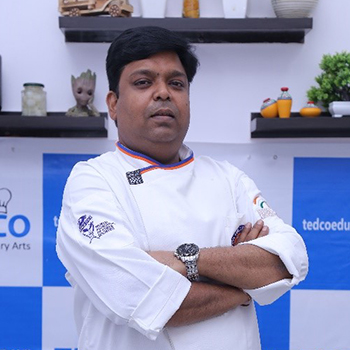
Centre Head & Head of Department
 Whatsapp
Click one of our representatives below to chat on WhatsApp or send us an email to
info@tedcoeducation.com

Counselor
Bakery and Pastry Courses
Counselor
Culinary Arts Courses
Click one of our representatives below to chat on WhatsApp or send us an email to
info@tedcoeducation.com
Counselor
Bakery and Pastry Courses
Counselor
Culinary Arts Courses

