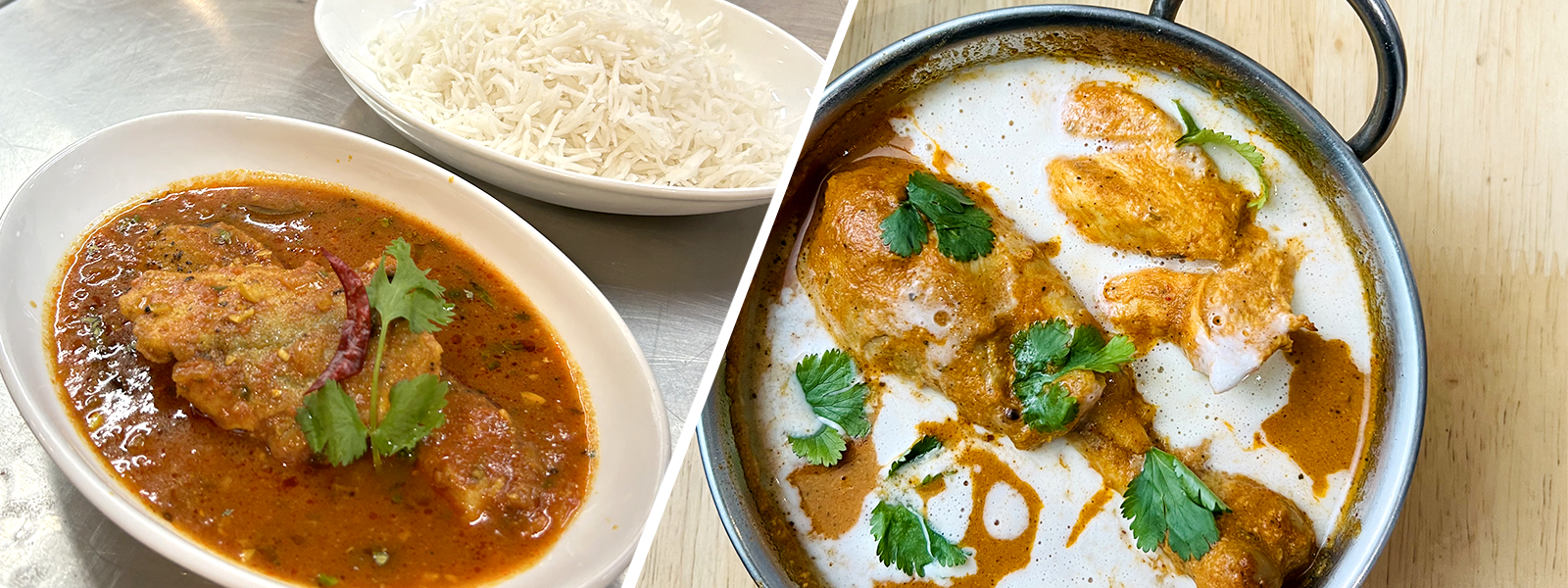
Step into any Indian restaurant, whether in Delhi, Dubai, or London, and you’ll likely find Butter Chicken and Chicken Makhani listed separately on the menu. Most diners assume they’re two names for the same dish. After all, both are rich, creamy, tomato-based curries with tender pieces of chicken swimming in a buttery sauce.
But here’s the twist, while Butter Chicken and Chicken Makhani share similarities, they’re not entirely identical. Each has its own culinary story, technique, and subtle differences that set them apart.
Let’s unfold the delicious mystery behind these two iconic Indian curries and see what makes them so special.
Pro Tip : The secret to that silky Butter Chicken or Chicken Makhani lies in mastering your gravy base. Learn it the right way with hands-on training at best culinary arts colleges in India.
The story of Butter Chicken (or Murgh Makhani) goes back to the 1950s in Delhi. It was invented accidentally at the legendary Moti Mahal restaurant, where chefs mixed leftover tandoori chicken with a buttery tomato gravy to prevent it from drying out. The result? A smooth, mildly spiced curry that became a global sensation.
The term Makhani literally means “buttery” in Hindi. While often used interchangeably, Chicken Makhani evolved as a restaurant-style adaptation of Butter Chicken, a refined version with a silkier texture, deeper tomato flavour, and richer cream base.
So, while Butter Chicken was born from innovation, Chicken Makhani emerged from perfection, taking the concept to a more polished level.
At first glance, both look the same, reddish-orange gravy, tender chicken chunks, and a buttery aroma. But a closer look (and taste) reveals subtle distinctions in flavour, texture, and preparation.
| Aspect | Butter Chicken | Chicken Makhani |
|---|---|---|
| Origin | Delhi (Moti Mahal, 1950s) | Derived version of Butter Chicken |
| Base Sauce | Tomato, butter, cream, and mild spices | Tomato, butter, cream, and richer cashew paste |
| Spice Level | Mild to medium | Slightly richer, creamier, less tangy |
| Consistency | Medium-thick, smoky from tandoor chicken | Silky-smooth and buttery |
| Chicken Used | Tandoori-cooked chicken | Boneless or bone-in chicken simmered in sauce |
| Flavour Note | Balanced with tang and smoke | Richer, creamier, and buttery-sweet |
| Best Served With | Naan, roti, or jeera rice | Butter naan, laccha paratha, or basmati rice |
In short, Butter Chicken carries the rustic charm of smoky tandoor flavours, while Chicken Makhani leans toward restaurant-style luxury with a creamier, more refined taste.
The classic recipe starts with grilled or tandoori chicken marinated in yogurt, red chilli powder, and garam masala. The gravy is made with butter, tomatoes, ginger, garlic, cream, and fenugreek leaves (kasuri methi). It’s slightly tangy, with a smoky edge from the tandoor.
Chicken Makhani uses similar base ingredients but adds cashew paste or almond cream, giving it a silkier and sweeter texture. The spices are milder, and the focus is more on the buttery, smooth sauce than the smoky chicken.
Key Difference:
Butter Chicken celebrates flame-cooked tandoor flavours, while Chicken Makhani is about buttery richness and velvety smoothness.
So, while Butter Chicken feels rustic and homely, Chicken Makhani feels restaurant-grade and elegant.
When you taste Butter Chicken, you first notice the balance, smoky chicken, tangy tomato, and a mild buttery finish. It’s comforting and slightly tangy, offering layers of spice and sweetness.
Chicken Makhani, on the other hand, feels luxurious, smoother, creamier, and heavier on butter and cream. The sweetness of the cashew base stands out more, and the spices take a backseat to let the buttery notes shine.
So:
| Nutrient | Butter Chicken | Chicken Makhani |
|---|---|---|
| Calories (per serving) | ~400–450 kcal | ~480–520 kcal |
| Protein | High (from tandoori chicken) | Moderate |
| Fats | Moderate (from butter & cream) | Higher (due to cream + nuts) |
| Carbs | Medium (from tomatoes & sauce) | Slightly higher (cashew paste) |
Butter Chicken tends to be a bit lighter and higher in protein due to grilled chicken, while Chicken Makhani is richer because of the added nuts and cream.
For calorie-conscious eaters, Butter Chicken might be the better choice, but if indulgence is your goal, Chicken Makhani is pure comfort.
Pro Tip : Dreaming of recreating authentic Mughlai flavours? Build your skills step-by-step with specialized chef courses after 12th and cook like a pro.
Both dishes are best enjoyed hot and paired with Indian breads or rice.
Butter Chicken pairs perfectly with:
Chicken Makhani pairs beautifully with:
Pro tip: Pair either with a glass of sweet lassi or masala chai for the ultimate North Indian dining experience.
Both these curries have transcended Indian borders.
Even global chains and chefs, from Gordon Ramsay to Jamie Oliver, have recreated their versions, proving that these dishes define India’s global culinary identity.
In many restaurants, both dishes are listed separately, not as duplicates, but as variations in richness and spice. Chefs often use the same base sauce, adjusting proportions of butter, cream, and nuts to create two distinct experiences.
In short, one’s about flavour harmony, and the other’s about texture indulgence.
If you’re new to Indian cuisine, start with Butter Chicken — it’s balanced, flavorful, and instantly comforting.
Once you’ve fallen in love with it (and you will), move on to Chicken Makhani for a creamier, more decadent version of the same soulful curry.
Think of it like music, Butter Chicken is the classic melody, and Chicken Makhani is the orchestral remix.
At the heart of it, Butter Chicken vs Chicken Makhani isn’t a rivalry, it’s a beautiful culinary duet. Both celebrate India’s love for butter, cream, and perfectly spiced chicken.
Butter Chicken is bold yet balanced, smoky yet smooth, a taste of tradition.
Chicken Makhani is indulgent, creamy, and refined, a touch of luxury in every bite.
So the next time you’re at a restaurant and see both on the menu, don’t hesitate, order them side by side. Taste them together, and you’ll realise that while their stories intertwine, their identities remain deliciously distinct.
In the end, there’s only one true winner, your taste buds.
They’re often confused, but Chicken Makhani has a smoother, buttery gravy, while Butter Chicken includes richer cream and a hint of smokiness from the tandoor.
Butter Chicken was created in Delhi by accident when leftover tandoori chicken was simmered in a creamy tomato gravy, now a global favorite.
Butter Chicken tastes richer due to cream and butter, while Chicken Makhani has a lighter, more balanced flavor. Both are restaurant staples.
Absolutely. Join best culinary arts colleges in India or chef courses after 12th to learn how to prepare these iconic dishes professionally.
Butter Chicken pairs perfectly with naan due to its creamy texture, while Chicken Makhani tastes great with steamed basmati rice.

Bakery & Pastry Instructor
 Whatsapp
Click one of our representatives below to chat on WhatsApp or send us an email to
info@tedcoeducation.com

Counselor
Bakery and Pastry Courses
Counselor
Culinary Arts Courses
Click one of our representatives below to chat on WhatsApp or send us an email to
info@tedcoeducation.com
Counselor
Bakery and Pastry Courses
Counselor
Culinary Arts Courses

