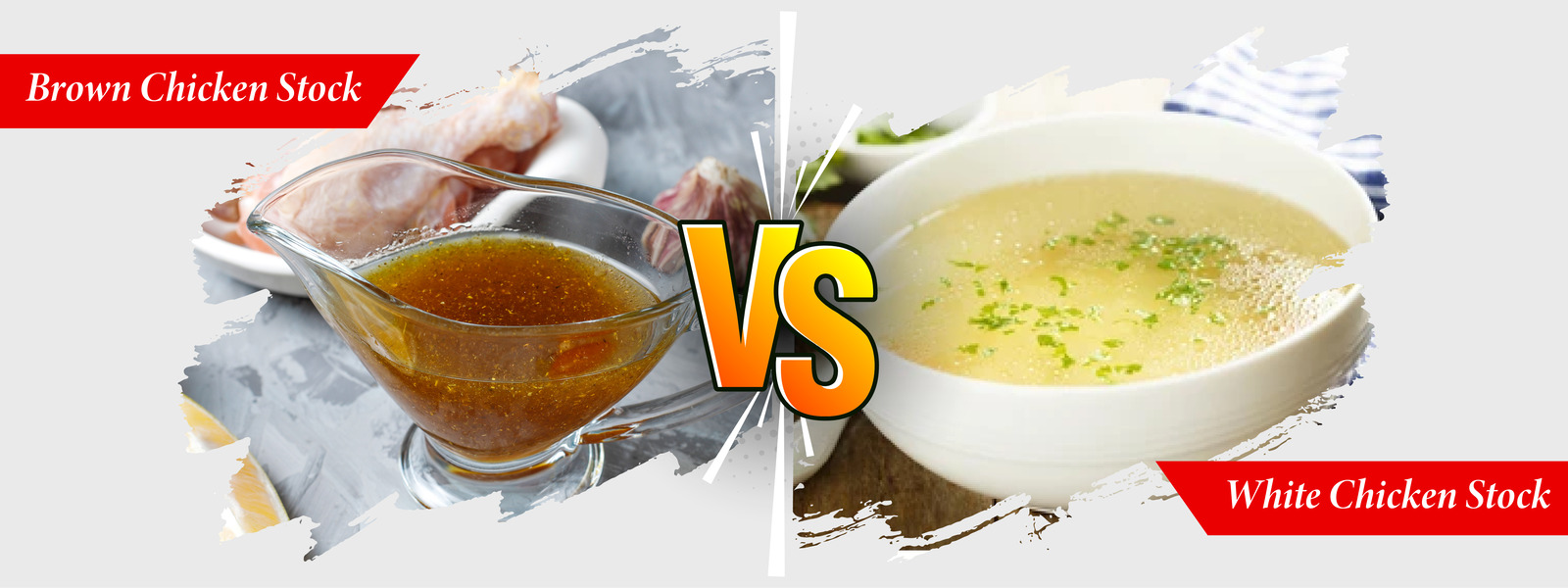
A great dish always starts with a great stock. Whether you’re preparing soups, braises, sauces, gravies, or classic French recipes, the base liquid quietly shapes the flavour, aroma, and complexity of your final creation. Among the essential foundations in professional kitchens, brown chicken stock and white chicken stock stand out as two powerful flavour-building tools. Many learners today study these techniques through structured programs at institutes like Tedco Education, especially those enrolled in a Professional Chef Course or advanced culinary modules. While both come from the same ingredient, chicken bones, the difference lies in the techniques used, the depth of flavour they deliver, and the dishes they complement.
White chicken stock is a pale, clean-tasting liquid prepared by simmering raw chicken bones with mirepoix and herbs. It has a mild, neutral flavour that blends effortlessly into a wide range of dishes. Because the bones are not roasted, the flavour stays delicate, making it ideal for recipes where subtlety is more important than heaviness. Professional kitchens use white stock as the backbone for soups, white sauces, poached preparations, velouté, broths, and light gravies. Its purpose is to build body without changing the colour of the dish.
The preparation follows three basic steps. First, raw chicken bones are cleaned thoroughly. Second, they are placed in a pot with cold water, mirepoix, and herbs. Third, the mixture simmers for several hours until the liquid becomes rich with flavour. It is gently simmered to extract maximum clarity while avoiding bitterness or cloudiness. The result is a clean, versatile stock that supports countless recipes without dominating their flavour profiles.
White chicken stock tastes mild, savoury, and clean. It doesn’t carry roasted notes or caramelised flavours, which makes it excellent for dishes requiring a lighter touch. You’ll find it used in clear soups, velouté, poached chicken dishes, light stews, sauces, and dumpling broths. Its neutral character makes it the preferred choice when a dish’s colour must remain pale or its flavours subtle.
Brown chicken stock is deeper, fuller, and more aromatic. It is prepared by roasting the bones before simmering them, along with mirepoix that is also browned for additional flavour. This caramelisation produces a darker colour and richer taste, transforming the stock into a more complex base. Brown stock is the backbone of hearty sauces, braises, pan reductions, gravies, and dishes that require intensity. The technique gives it depth that white stock simply cannot match.
The recipe begins by washing and cutting the chicken carcass into smaller pieces. These bones are roasted until they develop a deep golden-brown colour. Mirepoix is also browned to intensify flavour. Once everything is caramelised, water and a bouquet garni are added. The mixture simmers for several hours, allowing the roasted bones to release gelatin and colour into the liquid. After cooking, the stock is strained, cooled, and used as needed. This process imparts richness, complexity, and a darker hue.
Brown stock boasts a bold, roasted flavour with hints of sweetness from caramelised vegetables. It feels fuller in the mouth thanks to natural gelatin extracted from the bones. This makes it perfect for dishes such as demi-glace, rich gravies, brown sauces, hearty soups, stews, braised meats, and reduction-based preparations. When you need strong background flavour or a deep, savoury punch, brown stock outperforms its lighter counterpart.
Even though both stocks share the same primary ingredient, their flavour impact is dramatically different due to technique. White stock maintains a clean profile, suited for dishes where colour and subtlety matter. Brown stock brings complex roasted notes, ideal for dark sauces and rich recipes. White stock produces a pale liquid with delicate taste, while brown stock produces a darker, fuller, more robust liquid with aromatic depth. The cooking time is similar, yet the roasting step in brown stock significantly alters the outcome.
White chicken stock is mild, gentle, and flexible. It lifts the flavour of other ingredients without overshadowing them. Brown chicken stock is intense, savoury, and aromatic. It provides the deeper flavour foundation needed for bold dishes such as stews and braises. Choosing between them depends on the dish you’re preparing rather than personal preference alone.
Nutritionally, both stocks share common benefits such as natural gelatin, minerals from bones, and collagen. Brown stock tends to have slightly higher nutrient concentration because of longer cooking and roasted bones releasing more flavour compounds. White stock remains lighter, making it suitable for clear soups and low-fat preparations. Both provide hydration, nourishment, and a base for healthy, balanced meals.
The answer depends entirely on the type of recipe. Use white chicken stock when preparing dishes that require a pale colour or a delicate background flavour. Choose it for light soups, velouté, dumpling broths, and poaching liquids. Use brown chicken stock when preparing dishes that need depth, richness, and complexity. Choose it for gravies, French sauces, braises, meat stews, and reductions. The choice of stock defines the direction your dish takes — gentle or bold, bright or deep.
In classical culinary training, stock colour is determined by how the bones are treated before simmering. When bones are left raw, the result is white stock. When bones and vegetables are roasted, the result is brown stock. This difference is crucial for professional kitchens because it helps chefs maintain consistency in colour and flavour across dishes. White stock supports delicate preparations, while brown stock forms the foundation of darker, more powerful sauces.
Roasting bones triggers the Maillard reaction, creating complex flavours that dissolve into the simmering liquid. This reaction is what makes brown stock taste fuller and more aromatic. The roasted vegetables also add mild sweetness and colour. Combined with long simmering, this produces a stock that naturally thickens sauces and adds body.
White chicken stock, despite being mild, is essential for dishes that require clarity. It provides flavour without darkening a dish or making it taste overly strong. Many classic recipes rely on its ability to support, rather than dominate, other ingredients.
Brown stock excels in rich dishes that need concentration and depth. White stock excels in lighter preparations where subtle flavour is the goal. Both stocks have distinct roles in professional and home kitchens, and both deserve a place in any cook’s repertoire, especially those beginning their journey through Cooking Courses in India.
White chicken stock and brown chicken stock are both indispensable tools for elevating home and professional cooking. Each offers unique characteristics shaped by its preparation. White stock delivers subtlety and clarity, perfect for light or pale dishes. Brown stock offers roasted richness and power, ideal for hearty, flavour-forward recipes. Choosing the right stock strengthens the foundation of any dish, helping the flavours come together with balance, depth, and harmony.
White stock can replace brown stock in some recipes but won’t provide the same richness. It delivers lighter flavour and colour, which may not suit dishes requiring deeper, roasted notes.
Roasting bones creates caramelised flavours and darker colour through the Maillard reaction. This transforms the stock into a fuller, more aromatic liquid that adds complexity to gravies, sauces, and stews.
Both provide minerals, gelatin, and collagen, but brown stock often contains slightly higher nutrient concentration due to roasted bones releasing more flavour compounds during extended simmering. Differences remain minimal overall.
White stock is easier for beginners because it requires fewer steps and suits a wider range of dishes. It teaches essential simmering techniques without the added complexity of roasting bones.
Cool the stock completely, strain well, and store in airtight containers. Refrigerate for three days or freeze for three months. Always label containers with date and stock type.

Pastry Instructor
 Whatsapp
Click one of our representatives below to chat on WhatsApp or send us an email to
info@tedcoeducation.com

Counselor
Bakery and Pastry Courses
Counselor
Culinary Arts Courses
Click one of our representatives below to chat on WhatsApp or send us an email to
info@tedcoeducation.com
Counselor
Bakery and Pastry Courses
Counselor
Culinary Arts Courses

