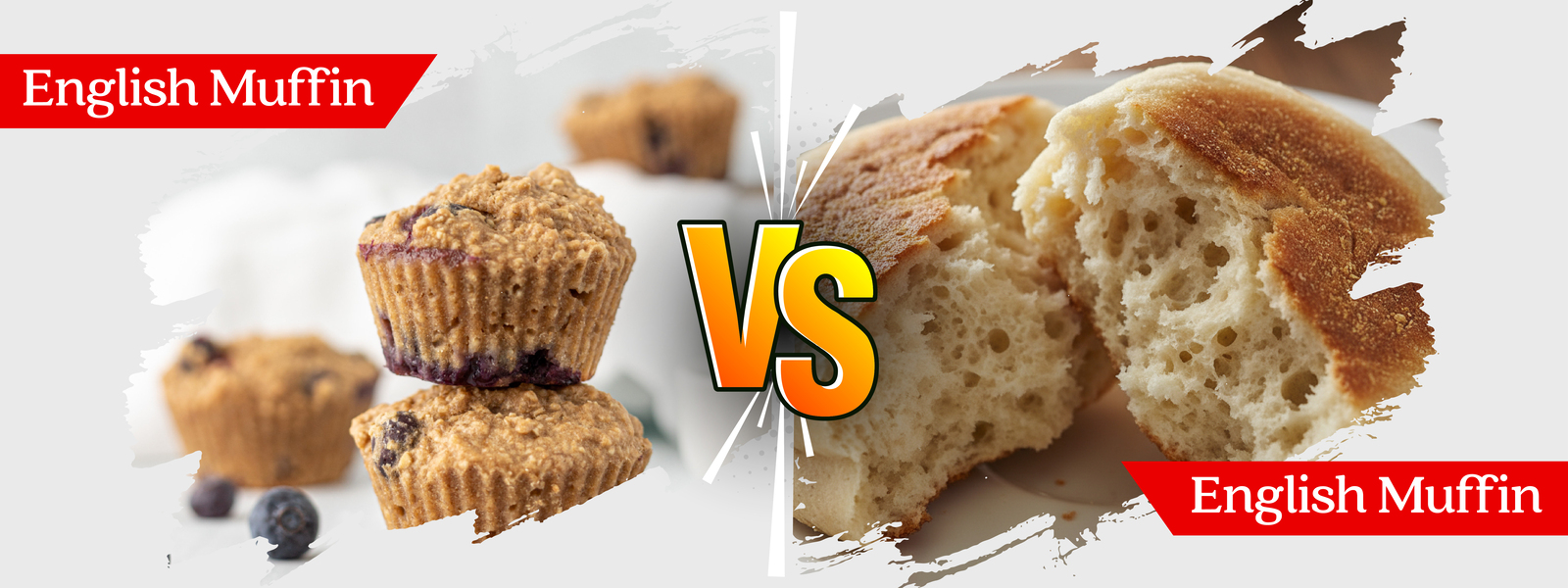
Blueberry Muffins and English Muffins may share the word "muffin," but they are completely different in flavour, texture, ingredients and baking techniques. One is a soft, sweet baked treat, while the other is a yeast-based bread commonly served for breakfast.
For aspiring bakers, understanding the difference between these two bakery favourites is more than a recipe lesson. It helps build a strong foundation in baking science, dough preparation and ingredient functionality. Students enrolled in the best bakery course in India learn these techniques through practical training that develops both technical skills and creativity.
Let's compare Blueberry Muffins and English Muffins to understand what makes each one unique.
A Blueberry Muffin is a sweet quick bread made using flour, eggs, butter or oil, sugar, milk, baking powder and fresh or frozen blueberries.
Unlike yeast breads, Blueberry Muffins rely on baking powder or baking soda for rising. They are baked in muffin tins and have a soft, moist crumb with a lightly golden top.
They are commonly enjoyed for breakfast, tea-time snacks and desserts.
An English Muffin is a small round yeast bread that is cooked on a griddle instead of being baked traditionally.
It has a chewy texture with the famous "nooks and crannies" inside, making it ideal for butter, jam, eggs and breakfast sandwiches.
Unlike Blueberry Muffins, English Muffins require kneading, proofing and fermentation before cooking.
| Feature | Blueberry Muffin | English Muffin |
|---|---|---|
| Type | Sweet quick bread | Yeast bread |
| Flavour | Sweet | Mild and slightly tangy |
| Texture | Soft and fluffy | Chewy with air pockets |
| Leavening | Baking powder | Yeast |
| Cooking Method | Oven baked | Griddle cooked |
| Preparation Time | Around 30–40 minutes | 2–3 hours |
| Best Served With | Tea or coffee | Butter, jam, eggs or sandwiches |
Blueberry Muffins contain sugar, butter and fruit, making them rich, moist and naturally sweet.
English Muffins contain fewer enriching ingredients and depend on yeast fermentation to create their characteristic texture.
The difference in ingredients also affects flavour, shelf life and baking techniques.
Blueberry Muffins have a rich buttery flavour balanced by the sweetness of blueberries and vanilla.
English Muffins are much milder in taste. Their subtle flavour makes them suitable for both sweet and savoury toppings.
If you enjoy desserts and sweet breakfasts, Blueberry Muffins are an excellent choice.
If you prefer versatile breakfast breads, English Muffins offer greater flexibility.
Texture is one of the biggest differences.
Blueberry Muffins have a tender crumb that is moist and cake-like.
English Muffins have a chewy texture with hollow air pockets that become crispy when toasted.
Creating these "nooks and crannies" requires proper fermentation and careful cooking.
Professional bakers use completely different methods for preparing these products.
These different techniques teach aspiring bakers how ingredients behave under different baking conditions.
For beginners, Blueberry Muffins are easier because they require fewer steps and no fermentation.
English Muffins demand greater patience and precision. Factors such as proofing time, dough hydration and cooking temperature all affect the final result.
Learning both recipes helps students understand two important baking methods used in professional kitchens.
Choose Blueberry Muffins if you enjoy:
Choose English Muffins if you prefer:
Both have their place in professional bakery menus.
Mastering bakery products requires more than following recipes. Professional bakers understand ingredient functionality, fermentation, temperature control and baking science.
At Tedco Global Chefs Academy, students receive practical training under experienced chefs while learning artisan breads, pastries, cakes and international bakery techniques. Through hands-on learning and modern bakery facilities, students develop the confidence to work in commercial bakeries, cafés and luxury hotels.
Recognised among the leading institutes offering professional baking classes, Tedco prepares aspiring bakers for successful careers in the hospitality and bakery industry.
Although Blueberry Muffins and English Muffins may appear similar, they represent two completely different baking traditions.
Blueberry Muffins focus on sweetness, simplicity and quick preparation, while English Muffins showcase the science of yeast fermentation and bread making.
Learning to prepare both successfully helps aspiring bakers strengthen their technical knowledge and expand their professional baking skills, making them more versatile in today's growing bakery industry.
If we are looking strictly at calories and sugar, the English muffin usually wins. A standard bakery blueberry muffin is often loaded with sugar and fats, making it closer to a slice of cake than a bread product. An English muffin is leaner, having less sugar and fat, but it depends heavily on what you put on top of it. If you drown a healthy English muffin in four tablespoons of butter, you have negated the health benefit.
You can, but the texture will change. The signature flat top and bottom of an English muffin come from direct contact with the griddle or skillet. If you bake them in an oven without a lid or weight, they will dome up like dinner rolls. They will still taste good, but they won't have that authentic toasted "skin" that makes them so distinct in the blueberry vs english muffin texture comparison.
You are overworking the batter. This is the most common mistake students make in our early classes. When you mix flour with liquid, gluten begins to form. For a chewy English muffin, you want gluten. For a tender blueberry muffin, gluten is the enemy. You should mix the dry and wet ingredients until they are just combined. Lumps are actually a good thing in muffin batter.
This is a classic point of confusion. Both are griddled, yeast-leavened breads, but the hydration is different. An English muffin is made from a soft dough that you can handle and shape. A crumpet is made from a loose batter that must be poured into a ring mould on the griddle. Crumpets also have holes on the top surface, whereas English muffins have holes on the inside.
Yes, our Bakery and Patisserie diploma programs cover the entire spectrum of morning goods. We move beyond just bakery items and dive into laminated doughs (croissants), quick breads, and yeast breads. You will master both the chemical leavening required for the perfect blueberry muffin and the biological fermentation needed for artisan English muffins.

Pastry Instructor
 Whatsapp
Click one of our representatives below to chat on WhatsApp or send us an email to
info@tedcoeducation.com

Counselor
Bakery and Pastry Courses
Counselor
Culinary Arts Courses
Click one of our representatives below to chat on WhatsApp or send us an email to
info@tedcoeducation.com
Counselor
Bakery and Pastry Courses
Counselor
Culinary Arts Courses

