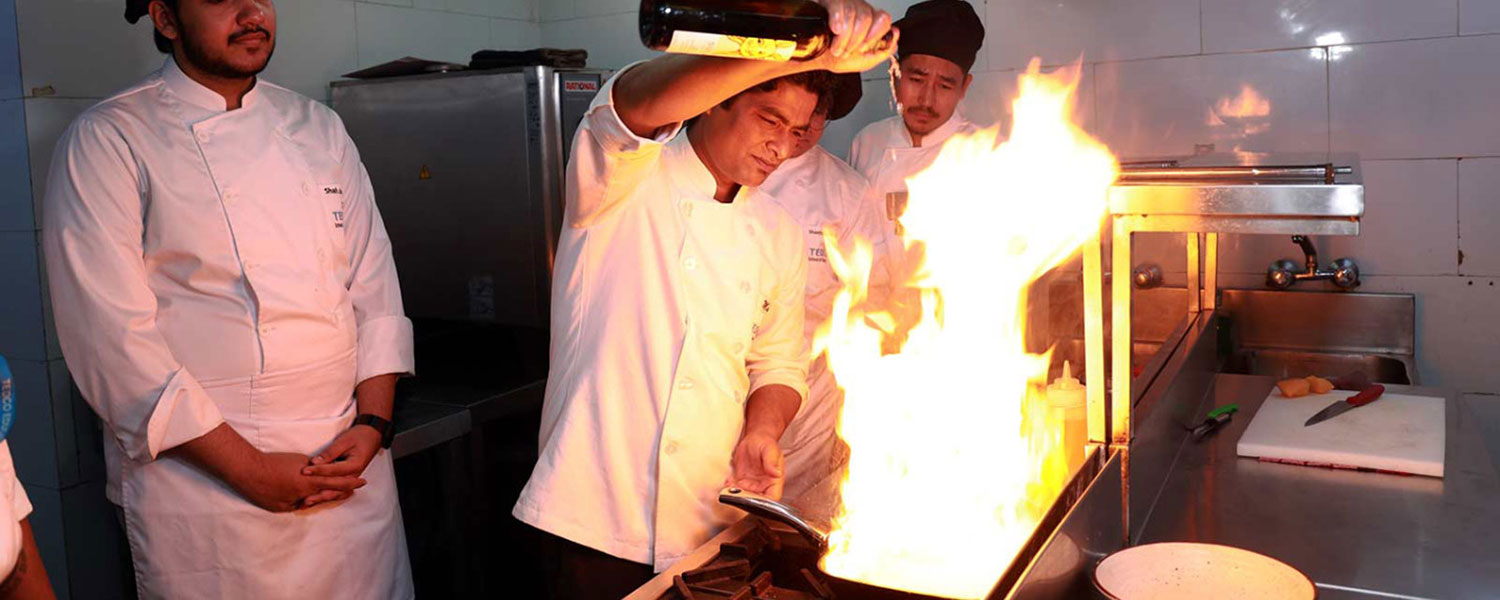
When people hear the term “culinary industry,” the first image that often comes to mind is that of a chef working tirelessly behind the kitchen counter. While the kitchen remains the heart of the culinary world, the truth is that the industry extends far beyond the wok.
Today, the culinary landscape offers a wide range of opportunities for individuals who are passionate about food, creativity, and innovation. From food styling and photography to restaurant management and media, there are endless avenues for those willing to think outside the traditional chef’s hat. Enrolling in culinary arts course is the first step toward discovering these exciting pathways and shaping a rewarding career in food.
Over the past decade, the culinary field has undergone a significant transformation. It is no longer limited to cooking and serving; it is now a vibrant blend of creativity, communication, business, and technology. Food has become a universal language, an expression of culture, art, and emotion.
As the industry has expanded, so has the demand for professionals with diverse skill sets. This shift has given rise to multiple disciplines within the culinary domain, making it an attractive field for both creative and business-minded individuals. With structured culinary arts courses in India, students can now specialize in areas that align with their interests, whether that’s baking, management, media, or hospitality.
One of the fastest-growing branches of the culinary industry is Food Media. This exciting field transforms the way people see and experience food. From stunning visuals on Instagram to engaging food blogs and television shows, food media plays a crucial role in shaping culinary trends and influencing consumer choices.
Here are some key segments within food media:
To succeed in food media, one must go beyond visuals and words. Understanding ingredients, flavors, and techniques allows professionals to communicate the true essence of food. A solid foundation built through culinary arts courses in India equips aspiring food media experts with the technical knowledge to make their work authentic and relatable.
Food is as much about creativity as it is about technique. Whether you are styling a dish for a photo shoot or curating a menu for a new restaurant, the artistic expression behind every creation matters.
A great food stylist or photographer doesn’t just arrange dishes—they tell a story through colors, textures, and presentation. Similarly, a food writer doesn’t just describe a recipe—they capture the emotion and experience of eating. This combination of art and expertise is what sets apart professionals who truly understand food from those who only view it as a commercial product.
Many culinary arts courses in India now include modules on plating, aesthetics, and presentation, encouraging students to see food as a creative medium.
For those who may not enjoy cooking but still love being part of the culinary world, there are several rewarding career paths that don’t involve standing behind a stove.
All of these fields are accessible through structured training and exposure, which makes pursuing a career in culinary arts a versatile and future-proof decision.
Success in the culinary industry requires patience, discipline, and consistent practice. Starting early gives aspiring professionals the advantage of time—time to learn, make mistakes, refine techniques, and gain experience.
Joining a culinary arts course in India soon after school helps students develop a strong foundation and confidence. Most programs combine theoretical knowledge with practical sessions, covering essential skills such as food safety, ingredient pairing, and presentation. The sooner one starts, the faster they can identify their niche and specialize in it.
The remuneration in the culinary industry varies depending on experience, skill level, and place of work. Entry-level salaries typically range from Rs. 15,000 onwards per month in India. However, with time, creativity, and a strong portfolio, professionals can earn significantly higher incomes, especially in metropolitan cities or international settings.
What’s important is perseverance. The culinary industry rewards talent and passion. Once you build a solid reputation, opportunities to work with luxury brands, international hotels, or even as an independent consultant become abundant. For many, the journey begins with formal education through accredited culinary arts courses in India that provide both credibility and confidence.
A career in culinary arts offers endless directions. You could be a food journalist sharing culinary stories, a chocolatier crafting fine desserts, a food stylist creating visuals for ad campaigns, or an entrepreneur building your own brand. The industry values creativity and individuality, allowing professionals to express themselves through food in unique ways.
What makes the culinary field so special is that it is constantly evolving. With global exposure, fusion cuisines, and digital media, the boundaries of food are expanding every day. The ability to combine culture, innovation, and artistry makes it one of the most dynamic industries to be part of.
Going beyond the wok means stepping out of the conventional idea of what the culinary world looks like. It’s about exploring the artistic, managerial, and communicative sides of food.
For those with a passion for flavors, creativity, and innovation, pursuing culinary arts courses in India can unlock numerous opportunities both inside and outside the kitchen. Building a career in culinary arts is not just about cooking—it’s about expressing, inspiring, and connecting people through the universal language of food.
In this field, patience and persistence go hand in hand with passion. With the right skills, the right attitude, and the right training, the possibilities are limitless. Truly, beyond the wok lies a world full of taste, artistry, and opportunity.
Culinary arts go beyond kitchen roles. Graduates can become food stylists, consultants, food photographers, nutritionists, or entrepreneurs managing restaurants, bakeries, or catering businesses.
Yes. Many work in food media, research and development, cruise lines, or as independent trainers, leveraging creativity and expertise beyond traditional hospitality setups.
Courses teach cooking, management, presentation, and innovation. Students also gain exposure to entrepreneurship, food technology, and communication skills, widening their career scope.
Absolutely. Culinary professionals are in demand worldwide. Graduates with global certifications can explore careers in international hotels, bakeries, or even culinary tourism.
Adaptability, creativity, teamwork, time management, and communication are vital. These skills help professionals thrive in dynamic culinary environments across varied roles.
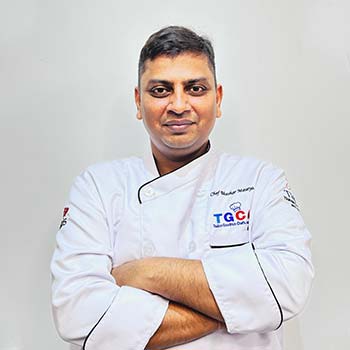
Culinary Instructor
 Whatsapp
Click one of our representatives below to chat on WhatsApp or send us an email to
info@tedcoeducation.com

Counselor
Bakery and Pastry Courses
Counselor
Culinary Arts Courses
Click one of our representatives below to chat on WhatsApp or send us an email to
info@tedcoeducation.com
Counselor
Bakery and Pastry Courses
Counselor
Culinary Arts Courses

