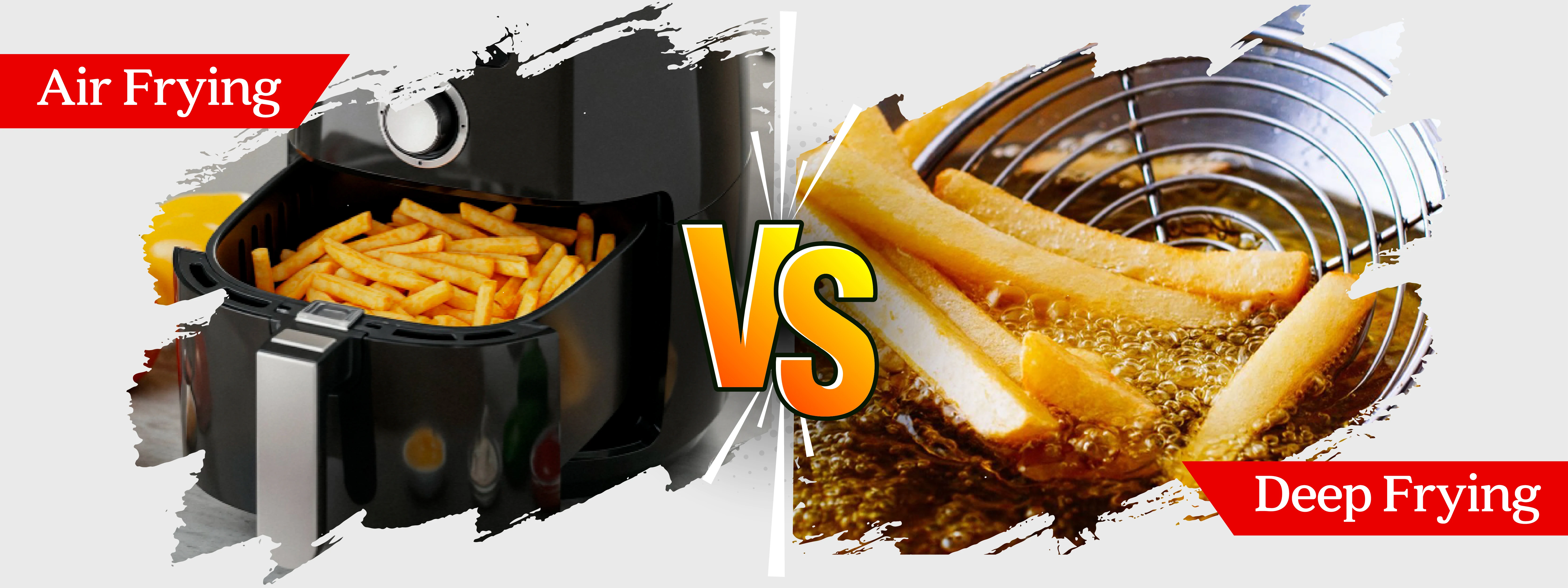
Modern kitchens are evolving rapidly, shaped by health awareness, technology, and changing dining habits. Among the biggest debates in contemporary cooking is air frying vs deep frying. Both techniques promise crisp textures and satisfying flavors, yet they differ significantly in method, nutrition, and overall kitchen practicality. Whether you are a home cook or a student enrolled in cooking courses in Delhi, understanding the difference between an air fryer and a deep fryer is essential. As culinary education advances, every serious culinary arts course now explores modern cooking methods alongside classical techniques. So which approach truly suits today’s kitchens? Let’s examine the techniques, taste, health aspects, and professional applications in detail.
Deep frying is one of the oldest cooking methods in global cuisine. It involves fully immersing food in hot oil, typically heated between 170°C and 190°C. This intense heat cooks food quickly, creating a crispy exterior while sealing moisture inside. The science behind deep frying lies in rapid dehydration and the Maillard reaction, which produces rich browning and complex flavors. From samosas and fried chicken to tempura and French fries, deep frying delivers unmistakable crunch and indulgent taste. Professional kitchens have relied on deep fryers for decades because of their speed and consistency. However, oil absorption and calorie density have become concerns in modern dietary conversations.
Air frying, on the other hand, is a relatively new innovation. Instead of immersing food in oil, an air fryer circulates extremely hot air around the food using rapid convection technology. A minimal amount of oil, sometimes just a light spray, is used to achieve browning. The result mimics deep-fried texture without fully submerging food in oil. Air frying benefits include reduced fat usage, easier cleanup, and greater convenience for smaller batches. For students in a culinary arts course, mastering air frying reflects the industry’s shift toward healthier cooking methods and equipment innovation.
The primary air fryer vs deep fryer difference lies in heat transfer. Deep frying uses oil as the cooking medium, allowing rapid and even heat penetration. Air frying relies on hot air circulation, which cooks food more gently. Deep frying produces deeper browning due to direct oil contact. Air frying produces a lighter crisp. Deep frying demands larger quantities of oil and strict temperature control. Air frying requires less oil and offers preset digital controls. Both methods achieve crispiness, but through entirely different processes.
When discussing air frying vs deep frying taste, texture plays a crucial role. Deep frying produces a richer, crunchier crust because oil surrounds the food evenly. This creates the signature golden exterior associated with restaurant-style fried foods. Air frying can achieve crispness but may lack the intense crunch of traditional frying. Foods like fries and chicken wings turn crispy in an air fryer, but the coating may feel lighter. Many chefs argue that deep frying delivers superior flavor depth because oil enhances seasoning and browning. However, for lighter recipes, air frying produces satisfying texture without heaviness. Taste preference ultimately depends on whether you prioritize indulgence or balance.
A major factor driving this debate is health. Is air frying healthier than deep frying? Generally, yes. Deep frying increases calorie content because food absorbs oil during cooking. Even with proper technique, oil absorption can add significant fat. Air frying reduces oil use dramatically, sometimes by up to 70–80 percent. This makes it appealing for calorie-conscious individuals and those focusing on healthy cooking methods. That said, the health factor also depends on ingredients. Fried vegetables in excess oil remain less healthy than grilled lean proteins. Similarly, air-fried processed snacks are not automatically nutritious. Healthier outcomes depend on ingredient choice and portion control as much as cooking method.
From a nutritional perspective, deep-fried foods are higher in fats and calories. Oil quality also matters. Repeatedly heated oil may degrade and form unhealthy compounds. Air frying eliminates repeated oil use and reduces saturated fat intake. However, both techniques preserve protein content and basic nutrients if executed properly. Culinary professionals must understand not only flavor but also nutritional implications when designing menus. This is why modern cooking courses in Delhi now emphasize healthier cooking methods alongside traditional techniques.
Deep fryers are standard equipment in commercial kitchens because they handle large volumes efficiently. Restaurants rely on deep fryers for consistency and speed during peak service hours. Air fryers are more common in home kitchens due to their compact design. While commercial air frying units are emerging, deep fryers still dominate large-scale food production. Cleaning and maintenance differ as well. Deep fryers require regular oil filtration and disposal, while air fryers need basket cleaning and less overall upkeep. Modern kitchens often integrate both tools to diversify cooking options.
For students pursuing a culinary arts course, understanding both techniques is critical. Deep frying teaches oil temperature control, batter science, and frying safety. Air frying introduces innovation, adaptation, and modern equipment familiarity. Professional chefs must adapt to industry trends, including healthier menu options. Many culinary schools in India now include modules covering air frying benefits and oil management techniques to prepare students for contemporary kitchens. Mastery of both methods ensures versatility.
Deep frying requires large amounts of oil, which increases operational costs and environmental waste. Oil disposal must be managed responsibly. Air frying reduces oil consumption significantly, lowering long-term expenses. For home kitchens, air fryers reduce the recurring cost of cooking oil. In commercial kitchens, however, deep fryers remain more economical for bulk production despite oil usage. Sustainability conversations are pushing more establishments toward reduced-oil cooking practices.
Deep frying offers unparalleled browning and texture, especially for breaded or battered foods. The flavor achieved through immersion in oil is hard to replicate. Air frying allows chefs to experiment with lighter coatings and spice blends without overpowering richness. Modern menus often combine techniques, such as air-fried appetizers and traditionally fried signature dishes. This flexibility reflects evolving culinary trends.
Deep frying involves handling hot oil, posing burn risks if not managed carefully. Proper training is essential. Air fryers are safer for beginners due to enclosed heating systems and automatic shut-off features. For students starting cooking courses in Delhi, air frying provides a safer introduction to crisp cooking techniques before advancing to professional deep frying stations.
Deep frying is ideal for classic indulgent dishes like fried chicken, pakoras, doughnuts, and tempura. When authenticity and traditional flavor are priorities, deep frying remains unmatched. Restaurants serving comfort food or street-style dishes rely on its bold texture.
Air frying suits modern households seeking convenience and reduced oil intake. It works well for reheating leftovers, preparing frozen snacks, and making lighter versions of fried dishes. Health-focused cafés and meal-prep services also use air frying to maintain texture while reducing fat content.
The answer ultimately depends on purpose. For authentic flavour, traditional texture, and large-scale commercial output, deep frying remains superior. For healthier cooking methods, portion control, and ease of operation, air frying leads. Modern kitchens benefit most from understanding both approaches rather than choosing one over the other. Culinary professionals should see these methods as complementary tools serving different goals. In structured programs at Tedco Education, students learn to evaluate techniques based on flavour depth, nutritional impact, kitchen efficiency, and real-world practicality rather than short-term trends.
Air frying vs deep frying is not about replacing one with the other. It is about choosing the right method for the desired outcome. Deep frying offers unmatched crunch and richness. Air frying delivers lighter texture and reduced oil consumption. As kitchens evolve and health awareness grows, mastering both methods ensures versatility and adaptability. For aspiring chefs exploring cooking courses in Delhi, learning both techniques prepares them for modern culinary demands while respecting traditional cooking foundations..
Come get your hands dirty and master the art of professional cooking. Enrol today.
Yes, air frying generally uses significantly less oil, reducing calorie and fat intake. However, overall health depends on ingredient quality, portion size, and balanced dietary habits rather than cooking method alone.
Air frying produces crisp texture but may lack the rich depth achieved through oil immersion. Taste differences are noticeable, especially in heavily battered foods or traditional fried recipes.
Deep frying remains more efficient for large-scale commercial production due to speed and consistent heat transfer, while air frying is better suited for smaller batches and health-focused menus.
No. Deep frying teaches essential temperature control, oil management, and texture development skills. Even with modern equipment trends, foundational frying knowledge remains critical in professional kitchens.
Not entirely. Most air-fried recipes still require minimal oil for browning and flavor. However, oil usage is dramatically lower compared to traditional deep frying techniques.

Centre Head & Head of Department
 Whatsapp
Click one of our representatives below to chat on WhatsApp or send us an email to
info@tedcoeducation.com

Counselor
Bakery and Pastry Courses
Counselor
Culinary Arts Courses
Click one of our representatives below to chat on WhatsApp or send us an email to
info@tedcoeducation.com
Counselor
Bakery and Pastry Courses
Counselor
Culinary Arts Courses

