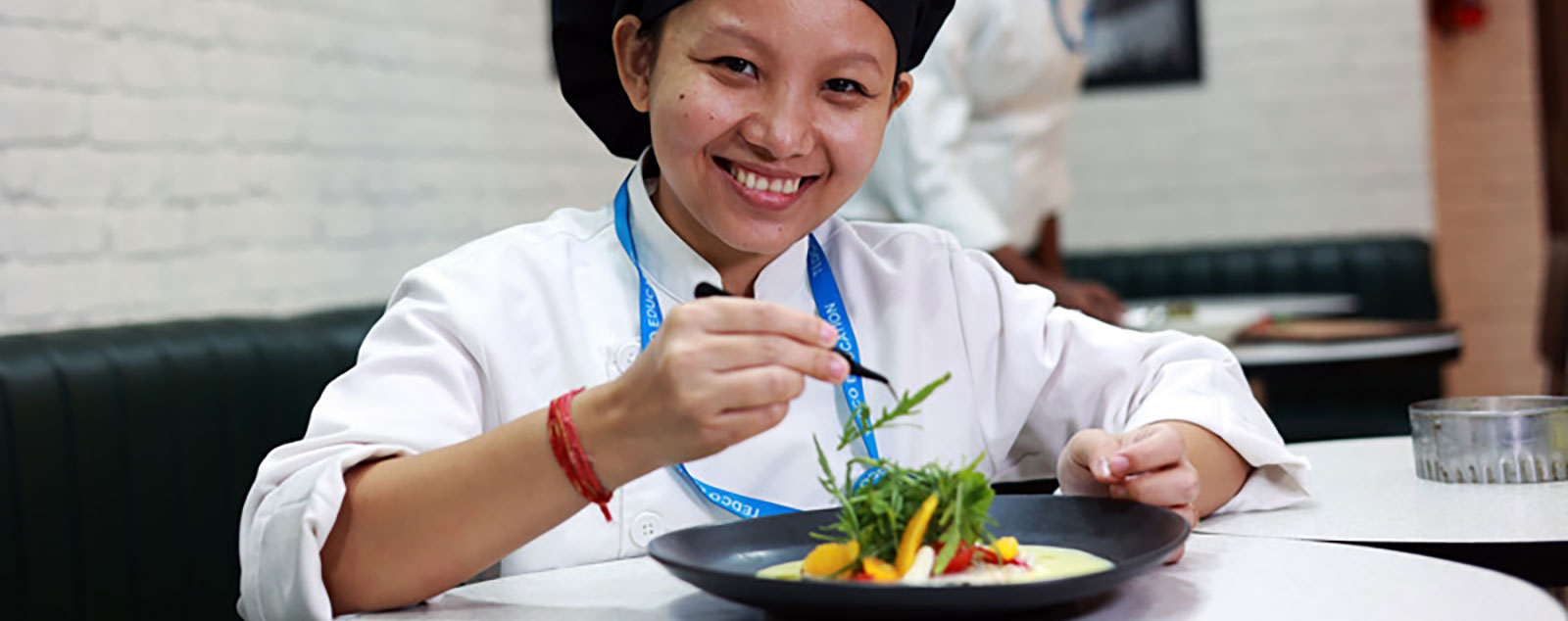
The culinary industry offers far more career opportunities than most people realize. While many associate cooking only with restaurant kitchens, the world of culinary arts includes diverse roles across hospitality, food production, media, education, and entrepreneurship.
For students exploring culinary arts colleges in india or researching culinary schools in india, understanding the available career paths and the skills required for each role is essential. Choosing the right direction early helps aspiring chefs and food professionals build focused expertise and long-term success.
This guide explains the major culinary career paths and the core skills needed to thrive in the industry.
A culinary career involves working with food in a professional capacity. This may include cooking, baking, food styling, menu development, kitchen management, or food consulting. A culinary arts career is built on both technical knowledge and creative expression.
Students enrolled in culinary arts courses in india gain exposure to multiple disciplines, allowing them to identify the path that best aligns with their interests, strengths, and career goals.
The culinary industry offers a wide range of professional roles. Below are some of the most common and rewarding careers in culinary arts.
The most traditional culinary career path is becoming a professional chef. Chefs work in restaurants, hotels, resorts, and catering businesses.
Career path of a chef typically includes:
This progression allows chefs to develop leadership, technical expertise, and operational skills over time.
Pastry chefs specialize in desserts, baked goods, and confectionery. This role requires precision, creativity, and strong technical skills.
Pastry chefs often work in bakeries, patisseries, luxury hotels, and dessert brands. Some also start their own bakery businesses or home-based ventures.
Culinary educators teach aspiring chefs in institutes and training academies. This path is ideal for professionals who enjoy mentoring and sharing knowledge.
Educators usually have industry experience combined with formal qualifications from reputed culinary schools in india.
Many culinary professionals choose entrepreneurship. They may open restaurants, cafés, bakeries, cloud kitchens, or food brands.
Entrepreneurs combine culinary skills with business management, marketing, and customer engagement.
Culinary careers also exist outside kitchens. Food stylists, writers, consultants, and content creators work in media, advertising, and product development.
This path suits individuals who enjoy communication, creativity, and innovation in food-related industries.
Regardless of the chosen path, certain skills are fundamental to success in the culinary world.
Culinary skills refer to the techniques and knowledge used in food preparation and presentation. These skills are developed through training, practice, and experience.
Students pursuing culinary arts courses in india are trained in both foundational and advanced culinary skills.
One of the most common questions asked is what skills are needed to be a chef. The answer includes a combination of technical, creative, and professional abilities.
Key skills needed to be a chef include:
These skills form the backbone of a professional culinary career.
Apart from technical abilities, chefs need strong interpersonal skills.
What skills are required to be a chef beyond cooking:
Professional kitchens are fast-paced environments where collaboration and discipline are essential.
Formal culinary education plays a vital role in skill development. Training programs offered by culinary arts colleges in india focus on structured learning, hands-on practice, and industry exposure.
Students learn not only how to cook but also how to manage kitchens, plan menus, control costs, and maintain quality standards.
Selecting the right culinary career path depends on individual interests and long-term goals. Some prefer creative roles like pastry arts, while others enjoy leadership positions in kitchen management.
Attending open houses, workshops, or short-term programs at culinary schools in india can help students gain clarity before committing to a full-time course.
The culinary industry offers steady growth for skilled professionals. With experience, chefs can move into senior roles, open their own ventures, or work internationally.
Graduates from reputed culinary arts courses in india often find opportunities in hotels, restaurants, cruise lines, and global hospitality brands.
A culinary career is both challenging and rewarding. It demands dedication, creativity, and continuous learning. Understanding the available career paths and required skills helps aspiring chefs make informed decisions.
Whether you aim to become a professional chef, pastry expert, educator, or entrepreneur, choosing the right training from recognized culinary arts colleges in india and culinary schools in india provides the foundation for long-term success.
With the right skills and mindset, a culinary arts career can open doors to endless opportunities across the world.
Culinary careers include professional chefs, pastry chefs, bakers, culinary educators, food entrepreneurs, consultants, and food media professionals working across hospitality and food-related industries.
Skills needed to be a chef include cooking techniques, knife skills, time management, creativity, teamwork, hygiene awareness, and the ability to work under pressure consistently.
To become a chef, you need technical culinary skills, strong discipline, communication abilities, problem-solving skills, and continuous learning through practice and professional training.
A chef typically progresses from commis chef to chef de partie, sous chef, and eventually head chef or executive chef with experience and leadership skills.
A culinary arts career involves working professionally with food in areas such as cooking, baking, menu development, food education, hospitality management, and entrepreneurship.
Culinary arts courses provide structured training, hands-on practice, and industry exposure that help students develop technical skills, confidence, and professional discipline.
While not mandatory, culinary schools provide structured learning, mentorship, and practical exposure that significantly improve skill development and career opportunities.
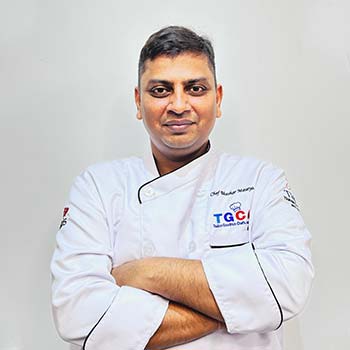
Culinary Instructor
 Whatsapp
Click one of our representatives below to chat on WhatsApp or send us an email to
info@tedcoeducation.com

Counselor
Bakery and Pastry Courses
Counselor
Culinary Arts Courses
Click one of our representatives below to chat on WhatsApp or send us an email to
info@tedcoeducation.com
Counselor
Bakery and Pastry Courses
Counselor
Culinary Arts Courses

