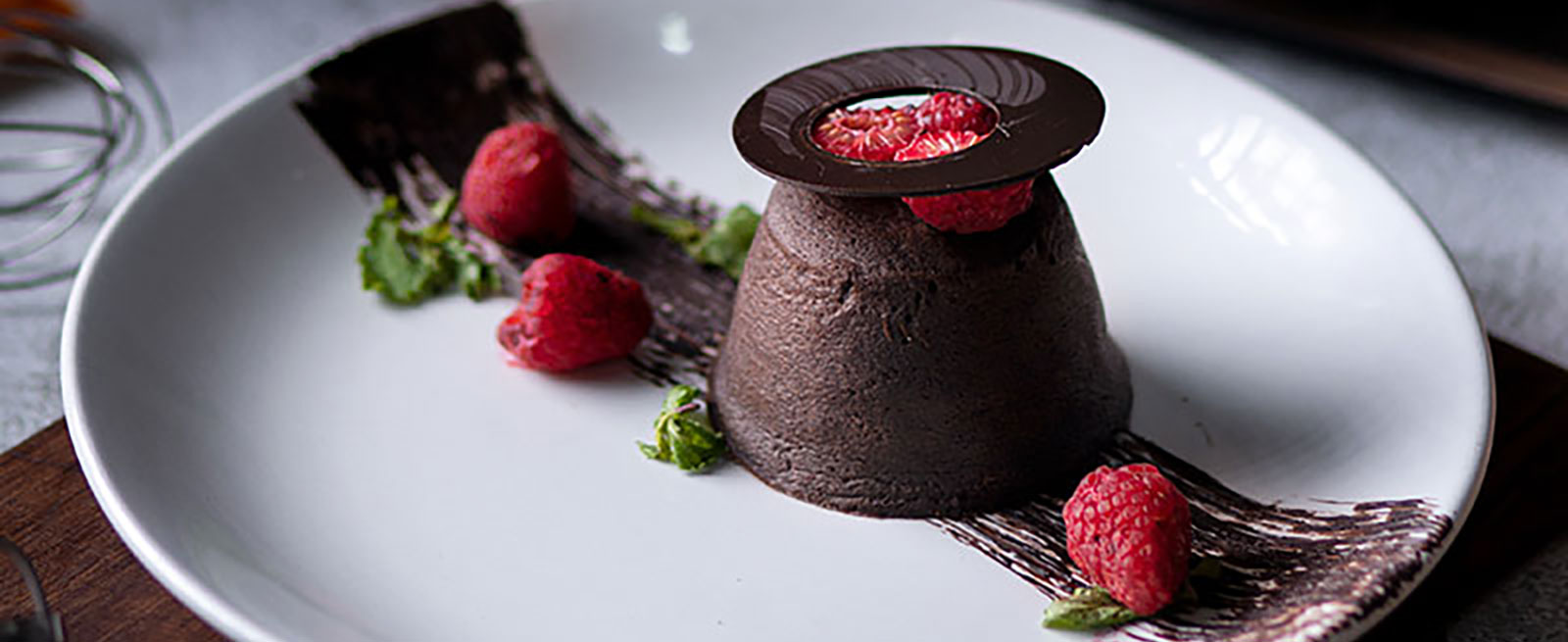
Sugar plays a crucial role in cooking and baking. It adds sweetness, enhances flavor, improves texture, and contributes to browning. However, with growing awareness around health, diabetes, and lifestyle-related conditions, many people are looking for better alternatives to refined sugar.
Understanding sugar substitutes is no longer limited to nutritionists or health enthusiasts. Anyone enrolled in a culinary arts course or attending cooking and baking classes must know how different sweeteners behave in recipes. Choosing the right sugar alternative can significantly affect taste, texture, and overall quality of a dish.
This guide explains the most popular sugar alternatives, how to use them in cooking and baking, and which options work best for specific recipes.
Today’s diners are more conscious of what they eat. Many prefer desserts with reduced sugar, low glycemic impact, or natural sweeteners. This shift has made it essential for chefs and bakers to adapt their recipes without compromising flavor.
In professional kitchens and culinary arts in India, sugar alternatives are increasingly used to cater to health-focused customers while maintaining high culinary standards. Understanding sugar substitutes helps chefs design menus that balance indulgence and wellness.
Sugar substitutes can be broadly divided into natural sweeteners, sugar alcohols, and artificial sweeteners. Each category has unique properties and culinary uses.
Natural sweeteners are derived from plants or fruits and often contain minerals or antioxidants.
1. Honey
Honey is one of the best tasting sugar substitutes and adds moisture and depth of flavor. It works well in cakes, cookies, and sauces. However, it is sweeter than sugar, so recipes need adjustment.
2. Maple Syrup
Maple syrup provides a rich flavor and is often used in baking, glazes, and breakfast dishes. It works best in recipes like muffins and pancakes.
3. Coconut Sugar
Coconut sugar has a lower glycemic index than refined sugar and works well as a one-to-one replacement in many baking recipes.
4. Dates and Date Syrup
Dates are excellent for natural sweetness in desserts. They are often used in sugar free sweet potato pie and energy-based desserts.
These options are commonly taught in advanced cooking and baking classes where ingredient behavior is studied in detail.
Sugar alcohols provide sweetness with fewer calories and less impact on blood sugar.
1. Erythritol
Erythritol is one of the best sugar substitutes for baking because it closely resembles sugar in texture. It works well in cakes and cookies without leaving an aftertaste.
2. Xylitol
Xylitol has a sweetness similar to sugar and works well in baking. However, it should be used carefully and avoided in foods for pets.
Sugar alcohols are often discussed in professional kitchens because they require recipe precision.
Artificial sweeteners are calorie-free and extremely sweet, so only small amounts are needed.
1. Stevia
Stevia is a popular choice for those seeking the healthiest sugar substitute. It is heat stable and suitable for baking, though it often needs blending with other ingredients for proper texture.
2. Sucralose
Sucralose is one of the best artificial sweeteners for cooking. It performs well in baked goods and does not lose sweetness at high temperatures.
These sweeteners are often included in recipe development modules in a culinary arts course to help chefs adapt recipes for dietary needs.
Not all sugar substitutes behave the same way. Sugar affects moisture, browning, and structure, so replacements must be chosen carefully.
Best sugar substitute for baking cakes:
Erythritol or coconut sugar
Best sugar alternative for baking cookies:
Brown sugar substitutes or blended stevia mixes
Best sweetener for baking pies:
Honey or maple syrup, especially in fruit-based recipes
Best sugar substitute for baking bread:
Coconut sugar or honey
These considerations are essential for chefs learning advanced techniques in culinary arts in India, where both traditional and modern desserts are prepared.
For cooking, flavor balance matters more than structure. Natural sweeteners like jaggery, honey, and date syrup are excellent choices for sauces, marinades, and curries.
When choosing healthy sugar alternatives, chefs must consider the dish type, cooking temperature, and desired flavor profile. This decision-making process is a core skill taught in professional cooking and baking classes.
The best sugar substitute depends on your goal.
For health focused diets, stevia or erythritol works best
For baking texture and taste, coconut sugar and erythritol are ideal
For natural flavor, honey and maple syrup perform well
For calorie reduction, artificial sweeteners are effective
There is no single best sugar alternative. The right choice depends on recipe requirements and customer preferences.
Modern culinary education emphasizes ingredient knowledge and adaptability. Students enrolled in a culinary arts course learn how sugar alternatives affect texture, flavor, and presentation.
As consumer demand evolves, chefs trained in culinary arts in India are expected to design healthier menus without compromising taste. Sugar substitutes play a key role in achieving this balance.
Want to know more? Fill this form and our counsellors will get back to you shortly.
Sugar alternatives are no longer optional in modern kitchens. Whether you are a home cook or a professional chef, understanding how to choose and use sugar substitutes enhances your culinary skills.
By learning about sugar alternatives through structured cooking and baking classes, chefs gain the confidence to experiment, innovate, and meet diverse dietary needs. Mastery of sweeteners is a vital part of professional culinary growth.
Erythritol and coconut sugar are considered the best sugar substitutes for baking because they provide structure, sweetness, and minimal aftertaste when used correctly in recipes.
Stevia is often considered the healthiest sugar substitute as it is calorie free, plant based, and does not raise blood sugar levels significantly.
Honey, jaggery, and maple syrup are excellent sugar alternatives for cooking because they add depth of flavor and work well at high temperatures.
Honey and coconut sugar are widely regarded as the best tasting sugar substitutes due to their natural flavor and minimal aftertaste.
Yes, but substitutions must be chosen carefully. Blended sweeteners or sugar alcohols like erythritol help maintain texture in baked goods.
Coconut sugar, erythritol, and blended stevia products are commonly used as the best sugar alternatives for baking desserts.
Most artificial sweeteners like sucralose are heat stable and safe for baking when used within recommended limits.
Culinary Instructor
 Whatsapp
Click one of our representatives below to chat on WhatsApp or send us an email to
info@tedcoeducation.com

Counselor
Bakery and Pastry Courses
Counselor
Culinary Arts Courses
Click one of our representatives below to chat on WhatsApp or send us an email to
info@tedcoeducation.com
Counselor
Bakery and Pastry Courses
Counselor
Culinary Arts Courses

