Choosing the right baking academy is one of the most important decisions for anyone planning a career in the hospitality industry. While course curriculum and certifications matter, the daily learning experience plays an equally important role in shaping confident and skilled professionals.
At TGCA, every day combines classroom learning with practical kitchen training, helping students build the confidence required to work in professional bakeries, cafés, hotels and restaurants. Whether you are interested in baking, pastry arts or a Diploma in Culinary Arts, the academy provides an environment where learning happens through practice.
Here's what a typical day looks like for students at our Academy of Baking and Pastry Arts in Delhi.
Every professional kitchen operates on discipline, organisation and hygiene. Students begin their day by wearing their chef uniforms, organising their workstations and preparing ingredients before practical sessions begin.
This routine introduces students to professional kitchen standards followed across leading hospitality establishments. Learning proper kitchen organisation from the beginning helps students develop habits that remain valuable throughout their careers.
Before practical sessions start, chef instructors explain the objectives of the day's lesson.
Students learn:
Understanding why each technique works is just as important as learning how to perform it. This knowledge helps students solve problems confidently while working in commercial kitchens.
Hands-on training forms the foundation of every programme at TGCA.
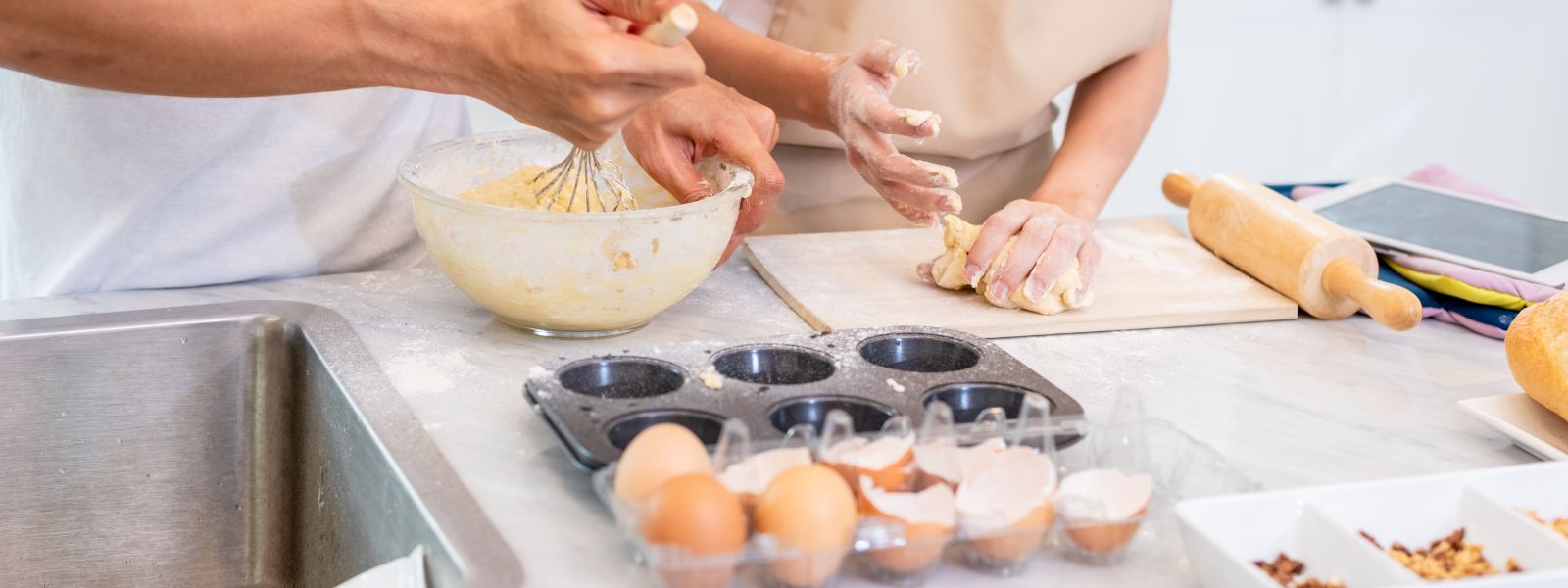
Students prepare a variety of bakery and pastry products while working with commercial-grade equipment commonly used in the hospitality industry.
Depending on the day's lesson, students may learn to prepare:
Chef instructors supervise every stage, providing immediate feedback on technique, presentation and consistency.
Professional chefs require much more than cooking knowledge.
During practical sessions, students continuously develop important workplace skills, including:
Preparing multiple recipes simultaneously teaches students how to prioritise tasks while meeting production timelines.
Students learn to communicate effectively, share responsibilities and work efficiently in busy kitchen environments.
Every recipe requires accurate measurements, correct temperatures and attention to detail.
Students learn how to identify mistakes, adjust recipes and maintain product quality under the guidance of experienced chefs.
These practical experiences prepare students for the fast-paced hospitality industry.
Once students understand fundamental baking techniques, they begin experimenting with presentation, decoration and recipe variations.
Creative activities may include:
These sessions encourage students to develop creativity while maintaining professional standards.
Learning extends beyond the classroom.
TGCA regularly provides opportunities for students to interact with hospitality professionals through guest lectures, demonstrations and industry visits.
Students gain valuable insights into:
This exposure helps students understand employer expectations before entering the workforce.
One of the biggest advantages of studying at TGCA is learning directly from experienced chefs.
Students receive personalised guidance throughout their training, allowing them to improve their technical skills while gaining practical industry knowledge.
Regular feedback helps students refine their techniques and build confidence with every practical session.
Aspiring chefs choose Tedco because of its industry-focused approach to culinary education.
Students benefit from:
These features help students graduate with the skills employers look for in today's hospitality industry.
Success in baking and pastry arts comes through consistent practice, expert guidance and real-world experience.
At TGCA, every classroom session, practical exercise and industry interaction is designed to prepare students for rewarding careers in bakeries, hotels, cafés and restaurants.
Whether you dream of becoming a pastry chef, bakery entrepreneur or hospitality professional, the right training can make all the difference. Join TGCA and take the first step towards building a successful future in the culinary world.
A typical day is a structured mix of discipline and creativity. It begins at 08:30 AM with Mise en place (station setup) and uniform checks. Mornings feature interactive theory demonstrations, followed by intense practical cooking sessions at 11:00 AM. Afternoons often shift to creative tasks like plating or pastry art, sometimes concluding with industry field trips.
Top institutes like Tedco do not rely on traditional lectures. Instead, theory is taught through dynamic demonstrations where instructors explain the science, like the chemistry of a mother sauce. This is immediately followed by practical application, where students recreate the dishes. This ensures students understand the "why" behind techniques rather than just memorising recipes.
Beyond cooking, practical sessions simulate the high pressure of a real restaurant. Students develop critical skills such as time management (syncing different dish components) and teamwork (navigating shared spaces safely). They also learn real-time problem solving, such as fixing broken sauces or rescuing dough, under the direct mentorship of experienced chef-instructors.
Yes, industry immersion is a core component. The education extends beyond the classroom through scheduled field trips to luxury hotels, artisanal bakeries, and commercial kitchens. These visits allow students to interact with executive chefs, witness large-scale operations first-hand, and understand the business side of food service, which is vital for professional networking.
Accreditation from bodies like City & Guilds (UK) ensures that the curriculum meets rigorous global standards. For students, this means their training is industry-aligned, and their diploma is respected worldwide. This recognition is essential for securing employment in top-tier establishments and luxury hotels, effectively acting as a passport to a global culinary career.
Culinary Instructor
 Whatsapp
Click one of our representatives below to chat on WhatsApp or send us an email to
info@tedcoeducation.com

Counselor
Bakery and Pastry Courses
Counselor
Culinary Arts Courses
Click one of our representatives below to chat on WhatsApp or send us an email to
info@tedcoeducation.com
Counselor
Bakery and Pastry Courses
Counselor
Culinary Arts Courses

