You don’t want to just learn to cook. You want to run a brigade. You want the heat, the noise, and the satisfaction of sending out a perfect plate. But before you can command a kitchen, you have to survive culinary school. And right now, the sheer number of chef courses in India is overwhelming.
Choosing a school isn't just about the "prestige" of the name; it's about Return on Investment (ROI). If you are going to spend lakhs on a professional chef course, you need to know if it actually leads to a job or just a piece of paper.
As we head into 2026, the industry has shifted. Kitchens don't care about your grades; they care about your knife skills. Here is the no-nonsense breakdown of the top 10 chef courses in India with fees and duration to help you make the right move.
We have ranked these based on practical training, industry reputation, and value for money.
If you are looking for a modernised, hands-on approach that cuts the fluff, this is where you look. TGCA has carved a niche by focusing on what actually happens in a commercial kitchen.
Course: Diploma in Culinary Arts / Diploma in Bakery & Pastry
Duration: 1 Year (Inclusive of Internship)
Approx. Fees: ₹2.75 Lakhs – ₹3.25 Lakhs
The Verdict: This is one of the best chef courses in India, with fees that make sense. You aren’t drowning in theory; you are cooking from Day 1. Their connection to international placement partners makes it a solid launchpad for a global career.
The government giant. It’s old school, competitive, and prestigious.
Course: B.Sc. in Hospitality & Hotel Administration
Duration: 3 Years
Approx. Fees: ₹3.5 Lakhs – ₹4 Lakhs
The Verdict: Great for a general management degree, but if you want specialised culinary arts courses in India, you might find yourself spending too much time in classrooms and not enough time in the hot range.
A dedicated culinary school with a strict, disciplined environment.
Course: Bachelor of Catering Technology & Culinary Arts
Duration: 3 Years
Approx. Fees: ₹1.2 Lakhs per annum
The Verdict: Hardcore training for those who can handle the pressure. It’s a commitment of three years, so be sure you are ready for the long haul.
Backed by ITC, this is premium education with a premium price tag.
Course: B.A. in Culinary Arts
Duration: 3 Years
Approx. Fees: ₹10 Lakhs+
The Verdict: Incredible infrastructure, but the high cost makes it inaccessible for many.
Course: Advanced Diploma in Culinary Arts
Duration: 2 Years
Approx. Fees: ₹7 Lakhs+
The Verdict: A strong contender with good international affiliations.
Course: B.Sc. in Culinary Arts
Duration: 3 Years
Approx. Fees: ₹12 Lakhs+
The Verdict: A university with a great campus, ideal if you want the full "college life" experience alongside cooking.
Course: Advanced Diploma in Pastry
Duration: 9 Months
Approx. Fees: ₹7 Lakhs+
The Verdict: One of the top bakery courses in India, but it comes with a steep price for a course under one year.
Course: Diploma in Culinary Arts
Duration: 3 Years
Approx. Fees: ₹5 Lakhs – ₹6 Lakhs
The Verdict: Good visibility and events (like the Young Chef Olympiad), offering decent exposure.
Course: Professional Diploma in Bakery
Duration: 12 Months
Approx. Fees: ₹4 Lakhs+
The Verdict: specialised focus on baking, good for those who know exactly what they want.
Course: Bachelor of Hotel Management
Duration: 4 Years
Approx. Fees: ₹8 Lakhs+
The Verdict: Good infrastructure, but often viewed as more academic than practical compared to dedicated culinary schools.
A culinary arts course is a professional training program that focuses on cooking techniques, baking, pastry arts, food presentation, nutrition, and kitchen management.
Unlike basic cooking classes, these programs prepare students for professional hospitality careers. Students learn Indian and international cuisines while also developing skills in leadership, food costing, menu planning, and modern culinary techniques.
The popularity of culinary arts courses in India is growing due to changing lifestyles, global exposure, and the expansion of the hospitality industry.
Booming Hospitality Industry: Growing demand for trained culinary professionals across luxury hotels, fine-dining restaurants, resorts, and hospitality brands.
Global Recognition: Indian chefs are gaining opportunities at international restaurants, luxury hotel chains, and culinary events.
Food Entrepreneurship: The growth of cloud kitchens, artisanal bakeries, and specialty restaurants has encouraged culinary graduates to start their own businesses.
Diverse Career Options: Graduates can explore careers as chefs, food stylists, culinary educators, and entrepreneurs.
Passion to Profession: More individuals are turning their interest in cooking into professional careers through structured culinary training.
Culinary education is available in different formats depending on students' interests and career goals.
Curriculum: Covers cooking fundamentals, baking, food hygiene, and kitchen management.
Best For: Students who want to enter professional kitchens quickly.
Curriculum: Includes international cuisines, advanced cooking techniques, pastry arts, and internships.
Best For: Students aiming for specialised training and international opportunities.
Curriculum: Short-term, skill-based training in areas such as continental cooking, bakery, desserts, and pastry making.
Best For: Hobbyists, home bakers, and working professionals looking to upgrade their skills.
Curriculum: Combines academic learning, practical training, internships, and hospitality management.
Best For: Students interested in leadership positions and broader hospitality careers.
These include niche training programs such as:
Pastry chef training
Artisan bread making
Vegan and healthy cuisine programs
Professional culinary arts programs cover several practical and technical subjects that prepare students for commercial kitchens.
Fundamentals of Cooking Methods: Boiling, sautéing, grilling, roasting, and braising.
International Cuisines: French, Italian, Asian, and Indian cooking techniques.
Bakery and Pastry Training: Bread making, cakes, desserts, chocolates, and pastry decoration.
Nutrition and Food Science: Nutritional values, dietary requirements, and balanced meal preparation.
Food Hygiene and Safety: Sanitation, food handling, and professional kitchen safety standards.
Kitchen Leadership and Management: Team management, kitchen operations, and budgeting.
Plating and Food Styling: Food presentation, visual appeal, and professional plating techniques.
Modern Culinary Techniques: Molecular gastronomy, sous-vide cooking, and contemporary food preparation.
Menu Planning and Cost Control: Menu creation, dish pricing, and food cost management.
When students search for chef courses after Class 12, one of the first things they compare is duration. Many assume that a longer course automatically means better learning. In reality, that assumption often holds them back.
Culinary arts is a skill-driven profession. Mastery in the kitchen does not come from years of classroom theory, but from consistent, hands-on practice. You do not learn how to fillet a fish, manage a live kitchen, or plate under pressure by reading textbooks. You learn it by doing it repeatedly, under real-world conditions.
This is where intensive diploma programs are redefining culinary education. Instead of spreading learning thin over three years, these programs focus on concentrated, practical training. Students spend more time in kitchens, less time in lectures, and graduate with job-ready skills that employers actually value.
Institutes like TGCA have designed their diploma programs to mirror professional kitchens. The result is faster learning, stronger confidence, and earlier entry into the workforce. While others are still completing assignments in their second or third year, diploma graduates are already building experience, earning salaries, and progressing in their careers.
In the culinary world, progress is measured by skill, not semesters. And when it comes to building a successful chef career, focused training often matters more than long durations.
Are you looking at culinary arts courses in India (cooking savoury food) or bakery courses in India (desserts and breads)?
Don't make the mistake of joining a generic Hotel Management course if your heart beats for the Bakery. General courses force you to learn Housekeeping and Front Office. If you want to be a Pastry Chef, choose a specialised professional chef course that focuses 100% on the craft.
Culinary arts graduates can explore opportunities across different sectors of the food and hospitality industry.
Professional Chefs: Work in luxury hotels, fine-dining restaurants, and resorts, preparing menus and managing kitchen operations.
Bakery and Pastry Chefs: Specialise in desserts, pastries, artisan breads, and confectionery.
Food Stylists and Critics: Work in advertising, publishing, photography, television, and food media.
Cruise Line Chefs: Explore international opportunities on luxury cruise ships and work with multicultural culinary teams.
Entrepreneurs: Establish cloud kitchens, cafés, bakeries, restaurants, and catering businesses.
Culinary Instructors: Train aspiring chefs at culinary institutes or operate independent cooking studios.
The kitchen is calling. Now is the time to answer it.
At TGCA, we believe in action, not delay. Our chef programs are built for those who are serious about turning passion into profession. Every element of our curriculum is designed to make you industry-ready faster, with a strong focus on hands-on training, discipline, and real kitchen exposure.
We bridge the gap between amateur interest and professional expertise by placing students in environments that mirror real culinary operations. No unnecessary theory. No wasted time. Just focused learning that prepares you for the demands of a modern kitchen.
Whether you are exploring the top chef courses in India for 2026 or looking to upgrade your skills through specialised chef courses in India, TGCA offers the right platform to grow, learn, and succeed.
Your culinary journey deserves the right start. Step into a kitchen that respects the craft and prepares you for a real career. Apply now and take the first step forward.
Small Batches: You are never just a number.
Global Standards: We teach what top international kitchens demand.
Real Placement Support: Because the goal is a job, not just a certificate.
No. This is a common misconception. Most culinary arts courses in India are open to students from the Arts, Commerce, or Science streams. The kitchen doesn't care about your chemistry grades; it cares about your discipline, creativity, and willingness to work hard.
Let’s be honest, you won’t start as a millionaire. Entry-level salaries usually range between ₹15,000 - ₹25,000 per month. However, the growth is exponential. Once you prove your skills, the salary for an executive chef career can rise to ₹15 Lakhs+ per annum within a decade.
Yes, but it comes with challenges. You will likely be required to handle and cook meat during your courses. However, many chefs successfully specialise in vegetarian cuisine, or you can opt for bakery courses in India, where meat handling is rarely an issue.
Absolutely. We know that for many, the dream is to travel. Tedco has strong partnerships with international placement agencies and cruise lines. Our culinary arts courses in India are designed to meet global standards (like City & Guilds), making your certification recognised in kitchens from Dubai to London.
Generally, no. While most students join right after high school, many professional chef courses have students ranging from 18 to 40+. If you are physically fit and have the passion to learn, age is rarely a barrier in private institutes like Tedco.
Only if you are aiming for government colleges like IHM. For most private institutes and top chef courses, admission is based on a personal interview or a simple aptitude test. They look for passion and communication skills rather than academic ranking.
You can, but we recommend gaining experience first. A professional chef course will teach you how to cook and manage a kitchen, but working in the industry teaches you how to handle customers and real-world crises. Many Tedco alumni work for 2-3 years before successfully launching their own ventures.
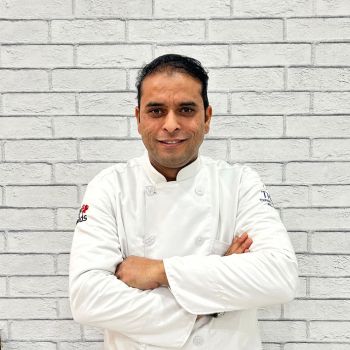
Pastry Instructor
 Whatsapp
Click one of our representatives below to chat on WhatsApp or send us an email to
info@tedcoeducation.com

Counselor
Bakery and Pastry Courses
Counselor
Click one of our representatives below to chat on WhatsApp or send us an email to
info@tedcoeducation.com
Counselor
Bakery and Pastry Courses
Counselor

