Pay Online
Best Courses After 12th for Students Who Love Cooking: Culinary Arts, Bakery, and More

Best Courses After 12th for Students Who Love Cooking: Culinary Arts, Bakery, and More

I. Introduction

A. Why April Is the Most Important Month for 12th Pass Students Who Love Cooking

The boards are done. The results are coming. And if food is what genuinely excites you, this is the moment to stop scrolling and start deciding. Every year in April and May, thousands of 12th pass students across India start searching for the best chefs courses after 12th, and the students who act early are the ones who get into the right batch at the right institute before seats close.

The good news is that in 2026, the options available to you are better than ever. Whether you want to be a professional chef in a 5-star hotel, a pastry specialist, a bakery entrepreneur, or a food content creator, there is a course designed specifically for your goal. The challenge is knowing which one to pick.

B. The Wide Range of Food-Related Courses Available in India in 2026

This blog is your decision guide. It covers every major food-related course available after 12th, what each one leads to, how they compare on fees and duration, and what the career outcomes actually look like. By the end of it, you should know exactly which course is right for you and what your next step needs to be.

II. Why Cooking as a Career Is a Serious Choice in 2026

A. India's Food Industry Growth and the Demand for Trained Culinary Professionals

Before we get into the courses, let us address the question that every parent asks: is cooking actually a stable, well-paying career in India?

The answer in 2026 is an unambiguous yes. Here is why:

  • India's food service industry is valued at over Rs 5.99 lakh crore and growing at approximately 9 percent annually
  • New hotels, restaurants, cloud kitchens, and food brands are opening across India every month, each requiring trained kitchen staff
  • The supply of formally trained, accredited culinary graduates is far below the industry's demand, which means job security is genuinely high
  • Salary growth for trained culinary professionals has accelerated significantly over the last 5 years, especially for graduates from accredited institutes

B. How Formal Training Changes Career Outcomes vs Self-Taught Cooking

There is a significant difference between someone who cooks well at home and someone who has been trained in a professional culinary environment. Formal training gives you:

  • Internationally recognised certification that employers, hotels, and culinary establishments trust
  • Hands-on experience in a commercial kitchen with professional-grade equipment
  • Structured knowledge of techniques, food safety, kitchen management, and costing
  • Placement support and an industry network that self-taught cooks simply do not have access to

III. Top Courses After 12th for Students Who Love Cooking

A. Diploma in Culinary Arts, The Most Comprehensive Route to a Chef Career

If your goal is a full professional kitchen career in hotels, restaurants, or international establishments, the culinary arts course at the diploma level is the strongest starting point. Here is what it covers:

  • Classical and modern cooking techniques across Indian, Continental, Asian, and global cuisines
  • Kitchen management, food costing, mise en place, and professional kitchen discipline
  • Plating, presentation, and restaurant-standard service techniques
  • Internship readiness training that prepares you for a real hotel kitchen environment from day one

Duration: 1 year. Best for students who want to work in top hotel kitchens, fine-dining restaurants, or pursue international culinary careers.

B. Diploma in Bakery and Pastry Arts, For Students Who Specifically Love Baking and Desserts

If your excitement is specifically about cakes, pastries, breads, and chocolate, the Diploma in Bakery and Pastry Arts is the more focused and better-matched programme for you. It covers:

  • Artisan bread making, sourdough, croissants, and laminated doughs
  • Cake decoration, fondant work, sugar paste, and tiered cake construction
  • Pastry techniques, shortcrust, puff, choux, and filo from scratch
  • Chocolate tempering, moulding, truffles, and showpiece work
  • Plated desserts for restaurant and hotel service standards

Duration: 1 year. Best for students who want to work as pastry chefs, launch a bakery brand, or specialise in the confectionery space.

C. Certificate in Culinary Arts, A Faster, More Affordable Entry Point

Not every student wants to commit to a full year right away. A Certificate in Culinary Arts is a focused, professional programme that gives you foundational to intermediate cooking skills in a shorter timeframe.

  • Core Indian and Continental cooking techniques in a professional kitchen environment
  • Kitchen hygiene, safety standards, and professional kitchen conduct
  • Basic plating and presentation for restaurant-standard service
  • City and Guilds (UK) Level 2 certification, recognised by employers nationally

Duration: 1 year. Best for students who want to start working quickly, test the professional kitchen environment, or build a foundation before upgrading to the full diploma.

D. Certificate in Bakery and Pastry Arts, For Quick Career Entry in the Baking Space

The Certificate in Bakery and Pastry Arts covers the foundational skills of professional baking in a concentrated, structured format.

  • Bread making basics, cake construction, and introductory pastry techniques
  • Chocolate work fundamentals and basic decoration techniques
  • Food costing basics and kitchen hygiene standards for commercial baking

Duration: 3 months. Best for students who want to enter the bakery and confectionery space quickly or test their passion before upgrading into the full diploma.

IV. Comparison Table: Which Course Is Right for You?

A. Duration, Fees, Depth, and Career Outcomes for Each Course

Choosing a diploma in culinary arts or any other culinary programme is a significant decision. Here is a clear, side-by-side comparison to help you decide:

Course Duration Approx. Fees Certification Best Career Outcome
Diploma in Culinary Arts 1 Year Rs 3.5 Lacs City and Guilds Level 2 Hotel chef, restaurant chef, international kitchen
Diploma in Bakery and Pastry Arts 1 Year Rs 3.2 Lacs City and Guilds Level 2 Pastry chef, bakery entrepreneur, dessert brand
Certificate in Culinary Arts 3 Months Rs 1.5 Lacs Tedco Global Chefs Academy (TGCA) Entry-level kitchen roles, upgrade to diploma later
Certificate in Bakery and Pastry Arts 3 Months Rs 1.7 Lacs Tedco Global Chefs Academy (TGCA) Bakery assistant, home baker scaling to brand

B. Decision Guide Based on Interest, Timeline, and Budget

Still unsure? Use this simple guide:

  • Love all-around cooking and want a hotel or restaurant career? Choose the Diploma in Culinary Arts
  • Passionate specifically about baking, pastry, and desserts? Choose the Diploma in Bakery and Pastry Arts
  • Want to start working quickly with a tighter budget? Start with a Certificate course and upgrade later
  • Completely undecided between culinary and bakery? Book a free demo class at TGCA and experience both before committing

V. Eligibility: Who Can Apply for These Courses After 12th?

A. Stream Requirements, Any Stream Is Welcome

One of the most reassuring things about chefs courses after 12th is how genuinely inclusive the eligibility criteria are. You do not need to be from a specific academic stream or have a high percentage. Here is what you need:

  • 12th pass from any stream, Science, Arts, or Commerce, all streams are welcome
  • No minimum percentage requirement at most reputed culinary institutes
  • No entrance exam required at TGCA, admission is through a counselling session and document submission
  • Students with results awaited can apply using their 12th admit card and submit final mark sheets once results are declared
  • Minimum age: 17 years at the time of joining
  • No prior cooking experience required at any level

B. Age, Marks, and Documentation: What to Keep Ready Before Applying

When you are ready to apply, keep these documents handy:

  • 10th mark sheet or pass certificate
  • 12th mark sheet or admit card if results are pending
  • Valid government-issued ID proof, Aadhaar card, or passport
  • 2 to 4 recent passport-size photographs
  • Completed the enquiry form, available at tedcoeducation.com or at the campus

VI. What to Expect in the First 3 Months of a Culinary Course

A. Knife Skills, Foundational Techniques, and First Live Kitchen Sessions

A lot of students wonder what Day 1 actually feels like. Here is a real picture of what your first 3 months in a professional culinary programme look like:

  • Week 1 to 2: Kitchen orientation, learning the layout, equipment, tools, and professional kitchen etiquette
  • Week 3 to 4: Knife skills and cutting techniques, this is foundational and taken very seriously in every professional kitchen
  • Month 2: Introduction to stocks, mother sauces, and core cooking methods, the building blocks of every kitchen
  • Month 3: First complete dishes prepared and plated to restaurant standards, live service simulation
  • Throughout: Food hygiene, safety standards, and kitchen discipline woven into every session from day one

B. How Culinary Training Is Different From Any Classroom Course You Have Done Before

Unlike a traditional college course where you spend months in lecture halls before touching anything practical, culinary training puts you in the kitchen almost immediately. You learn by doing. You make mistakes in real time and correct them in real time. The pace is faster, the engagement is higher, and the progress is visible from week one.

Most students say their first month at a culinary institute feels unlike any learning experience they have had before. That is because it is.

VII. Career Paths That Open Up After These Courses

A. The Best Career Options After 12th for Food Lovers: Hotels, Restaurants, and Beyond

The best career options after 12th for food lovers span a wider range than most students initially realise. Here is a clear picture of where these courses can take you:

  • Hotel kitchens, from commis chef to chef de partie to sous chef to executive chef, a clear, merit-based progression in India's best hotel brands
  • Restaurant brigades, fine-dining, casual dining, specialty restaurants, and QSR chains all need trained culinary professionals
  • Pastry sections in luxury hotels, dedicated dessert restaurants, and high-end patisseries
  • Bakery operations, from artisan bread studios to large commercial bakery brands

B. Entrepreneurship, Food Content Creation, and International Kitchen Roles

Beyond the traditional kitchen, completing chef courses at a credible institute opens doors to some of the most exciting career paths in the food world today:

  • Culinary entrepreneur, launching a cloud kitchen, catering business, or specialty food brand with real kitchen knowledge and food costing skills
  • Food content creator, building a YouTube channel, Instagram page, or food blog that leverages your professional training for credibility and reach
  • International kitchen roles, for graduates from City and Guilds accredited institutes, professional kitchen opportunities in the Middle East, Europe, cruise ships, and luxury resorts abroad
  • Culinary instructor or trainer, teaching at institutes, conducting workshops, or developing training content for food brands

VIII. Why TGCA Is the Best Place to Start These Courses After 12th

A. City and Guilds Accreditation, Professional Kitchen, Small Batches, and Placement Support

TGCA, Tedco Global Chefs Academy, offers all four of the courses described in this guide. What makes TGCA the right choice for chefs courses after 12th in Delhi in 2026?

  • City and Guilds (UK) accreditation, your diploma or certificate is recognised in over 100 countries and valued by top hotel chains and international employers
  • State-of-the-art commercial kitchen at Connaught Place, New Delhi, professional-grade equipment that mirrors real hotel and restaurant kitchens
  • Small batch sizes, limited seats per batch means every student gets individual attention and maximum kitchen time
  • Chef faculty with real hotel, restaurant, and international kitchen experience, not just academic instructors
  • International internship programme for eligible students, real kitchen experience outside India
  • Active placement cell with connections to leading hotels, restaurants, and food brands across India

B. How to Apply, What Documents Are Needed, and Batch Start Dates in 2026

Applying for chef courses after 12th at TGCA is straightforward. Here is what the process looks like:

  • Visit the campus at M-72, Connaught Place, New Delhi, or go online at tedcoeducation.com to fill in an enquiry form
  • Speak to a free counselling session where an advisor helps you choose the right course level based on your goals
  • Submit your documents, 10th and 12th mark sheets or admit card, ID proof, and passport photos
  • Pay the registration fee to confirm your seat. EMI and instalment options are available
  • 2026 batches start between April and June. Apply early to secure your preferred batch date

IX. Conclusion

A. Recap of the Best Courses After 12th for Students Who Love Cooking

If food is your passion and you are serious about making it your career, 2026 is genuinely one of the best years to act. The courses are structured, the industry is growing, the career paths are diverse, and the institutes offering internationally accredited training are better equipped than ever.

Whether you choose the Diploma in Culinary Arts, the Diploma in Bakery and Pastry Arts, or one of the certificate programmes, the most important thing is that you choose something and take that first step before the admission window closes.

B. Stop Waiting and Take the First Step at TGCA Today

The right course, the right institute, and the right batch date are all available right now. Do not let indecision cost you a semester. Book a free counselling session at TGCA today, experience the kitchen for yourself, and walk away with clarity about your next move.

TGCA's 2026 batches are open now. Book a free counselling session or demo class and walk away knowing exactly which course is right for you.

Frequently Asked Questions

Plus sign icon for expanding content. Minus sign icon for collapsing content.

Which is the best culinary course after 12th in India in 2026?

Q1. Which is the best culinary course after 12th in India in 2026?

The best culinary course after 12th depends entirely on your specific goal. If you want a full professional kitchen career in a 5-star hotel or restaurant, the Diploma in Culinary Arts is the strongest choice. If baking and pastry is your specific passion, the Diploma in Bakery and Pastry Arts is the better fit. If you want a faster, more affordable entry point, a 6-month Certificate in Culinary Arts is a credible starting place. At TGCA, all three are available with City and Guilds (UK) accreditation and active placement support.

Plus sign icon for expanding content. Minus sign icon for collapsing content.

Can I join a culinary course after 12th without any cooking experience?

Absolutely yes. No prior cooking experience is required for any of TGCA's programmes. The curriculum is designed to start from the very basics and build up systematically to professional standards. Whether you have been cooking at home for years or have never held a professional kitchen tool, you are welcome to apply. What matters is your passion for food and your commitment to learning.

Plus sign icon for expanding content. Minus sign icon for collapsing content.

What is the fee for a culinary arts course after 12th in Delhi?

Fees vary based on the level of course. At TGCA, the Certificate in Culinary Arts or Bakery starts from around Rs 1 lakh upwards. The Diploma in Culinary Arts or Bakery and Pastry Arts falls in the Rs 2.5 lakh to Rs 4.5 lakh range for a 1-year programme. All fees include chef uniform, kitchen kit, ingredients used in practical sessions, and City and Guilds certification costs. Flexible EMI and instalment options are available. Contact the admissions team at tedcoeducation.com or call 011-69240093 for current fee details.

Plus sign icon for expanding content. Minus sign icon for collapsing content.

What is the difference between a culinary arts diploma and a certificate course?

A certificate course in culinary arts typically runs for 3 to 6 months and covers foundational to intermediate skills. It is ideal for students who want to start working quickly or test the professional kitchen environment before committing to a longer programme. A diploma is a full 1-year programme with comprehensive training across all areas of cooking or baking, advanced techniques, kitchen management, and placement support. For a serious long-term career in a 5-star hotel or fine-dining restaurant, the diploma is the stronger and more complete qualification.

Plus sign icon for expanding content. Minus sign icon for collapsing content.

Is there an age limit for joining a culinary course after 12th?

The minimum age to join a professional culinary course at most reputed institutes including TGCA is 17 years at the time of joining. There is no upper age limit. Whether you are a fresh 12th pass student, a gap year student, or someone returning to education after some time out, you are eligible to apply as long as you meet the 12th pass qualification requirement.
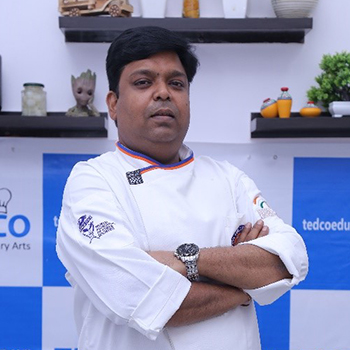
CHEF HIMANSHU PRIYANKAR

Author: CHEF HIMANSHU PRIYANKAR

Centre Head & Head of Department

Connect With Tedco Education Whatsapp

Click one of our representatives below to chat on WhatsApp or send us an email to

info@tedcoeducation.com

X
Customer service icon for support inquiries.

Counselor

Bakery and Pastry Courses

Customer service icon for support inquiries.

Counselor

Culinary Arts Courses

Click one of our representatives below to chat on WhatsApp or send us an email to

info@tedcoeducation.com

Counselor

Bakery and Pastry Courses

Counselor

Culinary Arts Courses

Connect With Tedco Education