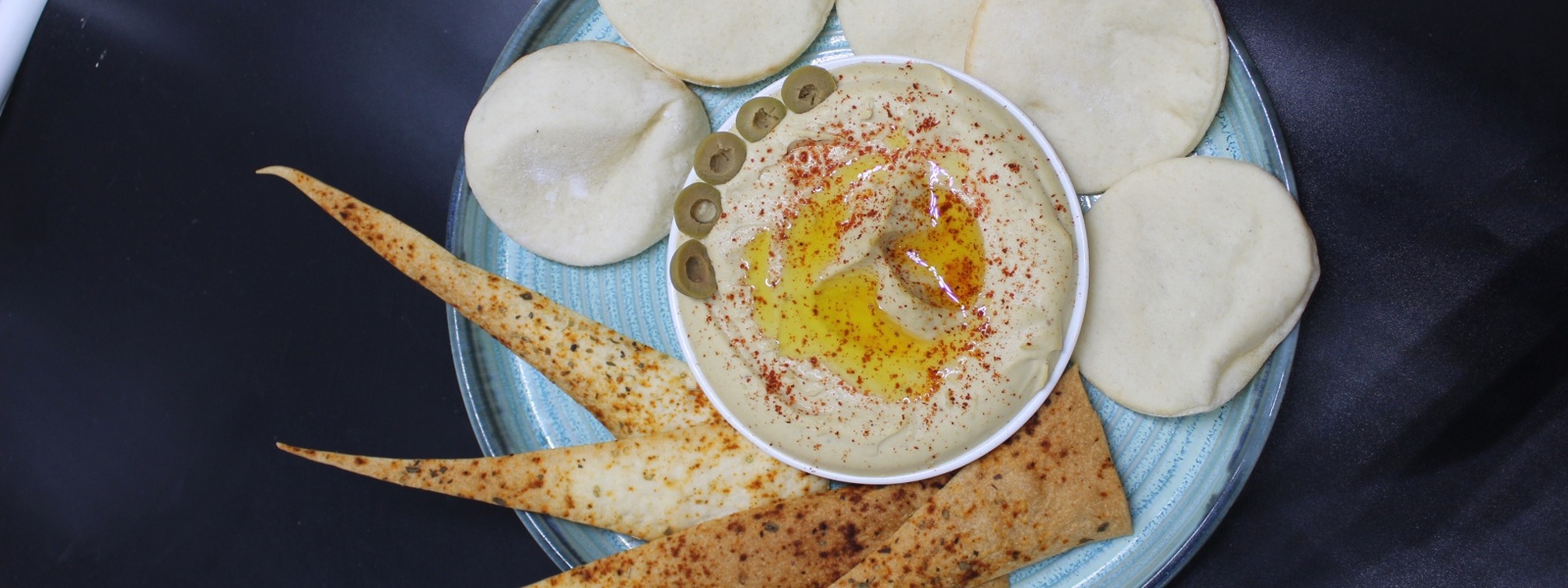
Few breads in the world hold as much tradition and simplicity as lavash. This thin, crisp Armenian flatbread has been part of Middle Eastern and Caucasian cuisine for centuries. It’s light, versatile, and pairs beautifully with dips, kebabs, or simply butter and herbs.
If you’ve ever wanted to recreate the charm of authentic lavash bread at home, this guide will help you make it from scratch. With just a few ingredients, you can bake soft or crispy lavash that tastes exactly like the ones found in Armenian bakeries.
Lavash is a traditional Armenian flatbread, popular across Armenia, Iran, Turkey, and the entire Middle Eastern region. It’s made from simple ingredients like flour, water, and salt, yet it delivers a unique texture and flavor.
When baked quickly in high heat, lavash becomes thin, slightly crisp, and blistered, making it ideal for wraps or as a crunchy snack. In Armenia, it is traditionally baked on the walls of a clay oven called tonir, similar to the Indian tandoor.
Its versatility has made it a staple in many cuisines. You’ll find it wrapped around grilled meats, served with hummus, or used as a base for appetizers.
Pro Tip : Roll the dough as thin as possible and bake it on high heat for that signature crunch. Perfecting this skill comes naturally in cooking classes in Delhi.
| Ingredient | Quantity |
|---|---|
| Refined Flour | 200 gms |
| Whole Wheat Flour | 50 gms |
| Olive Oil | 1 tbsp |
| Salt | 5 gms |
| Sugar | 3 gms |
| Yeast | 5 gms |
| Water (lukewarm) | 120 ml (approx.) |
| Sesame Seeds / Nigella Seeds (optional topping) | 1 tbsp |
Pro Tip: Traditional lavash doesn’t always use yeast, but adding a small amount creates a slightly softer, pliable version that’s easier to roll and shape.
Lavash can be enjoyed in countless ways. Its mild taste complements both savory and sweet flavors.
Pro Tip : Add herbs or sesame seeds before baking for extra aroma and texture — a creative touch you’ll often explore at culinary schools in India.
| Nutrient | Approximate Value |
|---|---|
| Calories | 110 kcal |
| Carbohydrates | 20 g |
| Protein | 3 g |
| Fat | 2 g |
| Fiber | 1.5 g |
| Sodium | 150 mg |
Lavash is a light and healthy bread option when compared to regular leavened breads. It pairs well with high-protein dips, making it a smart choice for balanced snacking.
In Armenia, lavash is not just bread—it is part of heritage. It’s often baked by families together, symbolizing unity and shared tradition. UNESCO even added Armenian lavash to its Intangible Cultural Heritage list in 2014, recognizing its cultural importance.
Traditionally, lavash was prepared in bulk and stored for months, rehydrated with water when needed. Even today, it remains central to Armenian meals and ceremonies.
This lavash bread recipe uses the ideal balance of refined and whole wheat flour for flavor and structure. The resting period enhances flexibility, while high-temperature baking ensures a perfect crisp texture that’s light yet satisfying.
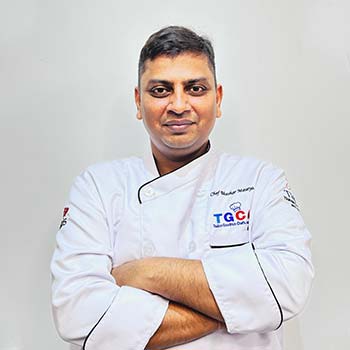
Culinary Instructor
Lavash needs simple ingredients, flour, water, salt, and a little oil. Some recipes include yeast or yogurt for extra flavor, but traditional lavash is typically unleavened.
Roll the dough very thin and bake it at high heat until golden. Proper rolling and baking time are key to getting that light, crisp, and flaky texture.
Yes. You can cook lavash on a hot skillet or tawa. Flip it quickly on both sides until it develops light brown spots and becomes crisp.
Serve it with dips like hummus, baba ganoush, or tzatziki. It also works well as a wrap base for grilled meats, veggies, or cheese fillings.
Store in an airtight container at room temperature for up to a week. For longer freshness, reheat lightly before serving to restore its crispness.
Recipe Features
Recipe Categories
 Whatsapp
Click one of our representatives below to chat on WhatsApp or send us an email to
info@tedcoeducation.com

Counselor
Bakery and Pastry Courses
Counselor
Culinary Arts Courses
Click one of our representatives below to chat on WhatsApp or send us an email to
info@tedcoeducation.com
Counselor
Bakery and Pastry Courses
Counselor
Culinary Arts Courses


